- Tight and precise combat mechanics
- Masterful environmental storytelling with art
- Challenging but fair difficulty curve
- Memorable and emotionally impactful characters
- Boss difficulty frustrates many players
- Platforming sections feel unfair at times
Emotions
What players like:
Common complaints:
Gameplay feedback:
Performance notes:
Recommendations:
Other player notes:
Similar games
Blend with other games




Review evidence
Why players say this
Review evidence
Why players say this
What players like
Tight and precise combat mechanics: Combat is skill-based, fair, and deeply rewarding, with responsive controls and a well-balanced difficulty curve. Players highlight the variety of boss fights, customizable builds, and the satisfying progression from weak to powerful.
Masterful environmental storytelling: The game's narrative is deeply immersive, using subtle environmental cues and restraint to create a lasting emotional impact. Players appreciate the gradual reveal of lore and the non-linear, exploration-driven approach.
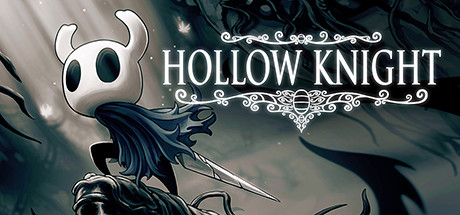
Stunning hand-drawn art style: The game's artistic design is atmospheric, cohesive, and visually breathtaking, with hand-drawn environments that evolve across areas. Players praise its melancholic tone, attention to detail, and how it enhances immersion.
Challenging but fair difficulty: The game's difficulty is well-balanced, punishing only for mistakes while rewarding perseverance and skill growth. Players derive immense satisfaction from overcoming tough challenges, such as Pantheons or Steel Soul mode.
Memorable and emotionally impactful characters: Characters are well-designed, expressive, and deeply integrated into the world and lore. Players highlight their emotional resonance, unique designs, and how they enhance immersion and storytelling.
Common complaints
Boss difficulty frustrates players: Many players report excessive difficulty, especially with early bosses (e.g., Hornet, Pure Vessel). The lack of telegraphed movements, RNG elements, and punishing mechanics (e.g., 2-mask damage) amplifies frustration. New players often abandon the game temporarily due to these spikes.
Tedious boss runbacks waste time: Checkpoints (benches) are placed too far from bosses, forcing long, repetitive treks after deaths. Players highlight this as a major frustration, particularly for bosses like Soul Master or Radiance, where platforming obstacles compound the issue.
Platforming sections feel unfair: Extreme platforming challenges (e.g., White Palace, Path of Pain) are criticized for poor visibility, unresponsive controls, and excessive trial-and-error. Players argue these sections rely on memorization over skill, making them feel punitive rather than rewarding.
Progression feels artificially gated: Some areas or mechanics are locked behind abilities or upgrades that feel delayed relative to difficulty. Players criticize this as a design flaw that disrupts flow, especially when forced to grind for upgrades (e.g., nail) mid-boss.
Input controls feel unresponsive: Players report delayed inputs, imprecise platforming controls, and inconsistent hitbox detection. These issues exacerbate difficulty, particularly during precision-based boss fights or platforming sections.
Gameplay and performance
Boss fights as core challenges: Boss encounters are central to gameplay, featuring unique mechanics, multi-phase designs, and high difficulty that require pattern recognition, reflexes, and strategy. Examples include bosses like Grimm, Hornet, and Radiance, which serve as key progression points and narrative moments.
Skill-based progression system: Progression is tied to unlocking abilities (e.g., dash, double jump) and upgrading skills rather than traditional leveling. This system rewards player improvement and offers non-linear paths, with upgrades enabling new exploration and combat possibilities.
Environmental storytelling and lore: Narrative and world-building are conveyed subtly through environmental details, character interactions, and lore integration. The game uses interpretive worldbuilding and emotional storytelling to create a rich, immersive experience without heavy exposition.
Multiple endings and completion paths: The game features multiple endings based on player choices, along with optional challenges like speedrunning, no-death runs, and completionist goals (e.g., 112% completion). Post-game modes like Pantheons and Godseeker add replay value.
Precision platforming challenges: Platforming sections, such as White Palace and Path of Pain, require precise movement and offer multiple solutions. These segments increase difficulty and serve as optional but rewarding challenges for skilled players.
Low hardware requirements: The game is highly optimized and runs well on entry-level hardware, including cellphones and school computers. Players frequently mention its low PC requirements.
Performance issues in areas: Players report FPS drops in specific areas and during cutscenes, impacting smooth gameplay. Some also mention crashes, though less frequently.
Input lag and control delays: Some players experience input lag or delayed character responses, which can disrupt gameplay, particularly in fast-paced scenarios.
Visual clarity issues: Players highlight poor contrast in boss fights and bosses becoming invisible, which can make combat frustrating or confusing.
Smooth performance on low-end: Beyond low requirements, players praise the game's smooth performance and clean interface, even on modest hardware.
Recommendations
Must-play for Metroidvania fans: The game is repeatedly recommended as a masterpiece for fans of the Metroidvania genre, Souls-like games, and challenging exploration. Its deep storytelling and atmospheric design make it a standout experience in the genre.
Highly rewarding for patient players: Players emphasize the need for perseverance, especially during the slow start or difficult sections. Those who push through are rewarded with an immersive, emotionally engaging, and highly replayable experience.
Worth the price and investment: Reviewers consistently highlight the game's value, noting it is worth its price (or even double) due to its depth, replayability, and long gameplay duration. It is considered a financial investment that pays off.
Best in genre for exploration: The game is frequently cited as one of the best Metroidvania games ever made, with open-ended exploration, detailed worlds, and rewarding discovery mechanics.
Challenging but accessible: While the game is notoriously difficult and requires frustration resistance, it is also accessible to newcomers to the genre. Players recommend it for those who enjoy challenges, twitch gameplay, and skill-based progression.
Other review notes
Strong emotional and nostalgic impact: Many players describe a deep emotional connection and personal journey with the game, spanning multiple years. Nostalgia and narrative impact are recurring themes in player experiences.
Speedrunning community inspiration: The game has inspired a dedicated speedrunning community, with achievements like 'Speedrun 2' being particularly challenging. This reflects the game's depth and replayability for competitive players.
Free DLC with extra content: Players frequently highlight that the game's DLCs are free, except for optional soundtracks, adding significant value without additional cost. This generosity enhances replayability and player satisfaction.
Long and varied playtime: The game offers substantial playtime, with many players reporting 20-100+ hours to complete. This variety caters to both casual and dedicated players.
Compact, old-fashioned game size: The game is praised for its 'workable' size, avoiding modern bloat while delivering a complete experience. This appeals to players who prefer concise, focused gameplay.