- Engaging and deep storytelling experience
- Highly polished and enjoyable gameplay
- High replayability with multiple endings
- Extreme late-game difficulty spikes
- Floaty and slippery platforming controls
- Poorly optimized and buggy port issues
Emotions
What players like:
Common complaints:
Gameplay feedback:
Performance notes:
Recommendations:
Other player notes:
Similar games
Blend with other games





Review evidence
Why players say this
Review evidence
Why players say this
What players like
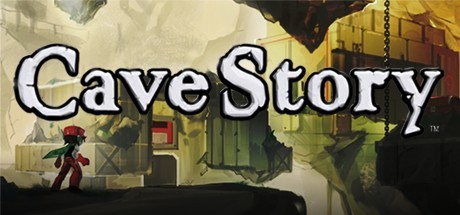
Engaging and deep storytelling: The game features a highly praised narrative with unique, touching, and complex storylines, multiple endings, and well-developed characters. Players consistently highlight its emotional depth and immersive storytelling.
Highly enjoyable and polished gameplay: The gameplay is frequently described as engaging, well-crafted, and balanced, with a strong focus on combat, platforming, and exploration. Players appreciate its tight mechanics and variety of scenarios.
High replayability with multiple endings: The game offers significant replay value through multiple endings, hidden secrets, challenge modes, and diverse weapon choices. Players are encouraged to explore different playstyles and outcomes.
Nostalgic and timeless appeal: The game evokes strong nostalgia for classic platformers and retro-style games, with many players noting its enduring quality and emotional connection, even decades after release.
Influential indie masterpiece: The game is recognized as a pioneer in the indie game scene, with many players and critics considering it a classic or masterpiece that set standards for the genre.
Common complaints
Extreme late-game difficulty spikes: Players report sudden and punishing difficulty spikes in the final levels and boss fights, including consecutive boss battles without healing or save points. The disparity between difficulty modes is also criticized as extreme.
Floaty and slippery platforming controls: The platforming mechanics are criticized for being floaty, slippery, and imprecise, with issues like wild inertia and camera interference making precision jumps frustrating.
Poorly optimized and buggy port: The PC port suffers from technical issues like constant crashing, poor optimization, and resolution problems. Players describe it as a 'disaster' or 'botched' implementation.
Broken or inconsistent achievements: Achievements frequently fail to unlock, even for valid in-game actions, and save files may disappear despite achievements being recorded. Cloud saves are also missing, risking progress loss.
Obscure and unfair ending requirements: Achieving the best or true ending is described as nearly impossible without a guide due to unintuitive, counterintuitive, or obscure requirements. Players feel locked out of content unfairly.
Gameplay and performance
Dynamic weapon leveling system: The game features a weapon upgrade system where weapons level up (max level 3) by collecting experience-like triangles from enemies. However, taking damage causes weapons to downgrade, adding a risk/reward mechanic to combat and movement.
Platforming with fluid but slippery mechanics: The game blends fast-paced platforming with run-and-gun elements, though some players note floaty or slippery controls, particularly in precision jumps or collapsing environments. Movement mechanics are central to gameplay.
Metroidvania-style exploration: The game incorporates non-linear progression, minimal backtracking, and exploration-driven rewards, though some reviewers debate its classification as a full Metroidvania. It leans toward action-platforming with light RPG elements.
Adjustable but challenging difficulty: Difficulty settings (e.g., easy, normal, hard) cater to varied skill levels, but even 'easy' mode can feel punishing. Late-game spikes and hard modes (e.g., 'brutally hard') target experienced players, with early choices affecting progression.
Retro-inspired 2D action-adventure: The game adopts a pixel-art style and side-scrolling mechanics reminiscent of classic titles like *Mega Man* or *Castlevania*, blending platforming, shooting, and light RPG elements.
Resolution and display issues: Players report locked resolution settings causing black bars, manual adjustment requirements, and lack of wide-screen or modern monitor support. These issues affect visual clarity and immersion.
Control customization limitations: Users highlight problems with controller and keyboard support, including non-customizable control schemes. This restricts accessibility and player comfort.
Window mode dysfunction: Window mode fails to function properly, and resizing issues further degrade the user experience, limiting flexibility in display settings.
Save file corruption: Players report issues with save files, which can lead to lost progress and frustration, particularly in longer play sessions.
Limited graphics options: The game offers only two graphics presets (Old and Remastered), restricting players from fine-tuning visual quality to their hardware capabilities.
Recommendations
Must-play for metroidvania fans: The game is highly recommended for fans of metroidvanias, retro aesthetics, and challenging gameplay. Its influence on modern indie games and nostalgic appeal make it a standout title in the genre.
Freeware version preferred over Steam: Many reviewers suggest playing the original freeware version instead of the Steam release due to perceived issues or lack of additional value in the paid version. Some even recommend alternative platforms like Switch.
Use guides for optimal play: Reviewers recommend using guides for unlocking the true ending, hidden elements, and navigating high-difficulty sections. Strategies like avoiding certain weapons or playing on easy mode first are also suggested.
High difficulty may deter casuals: The game’s challenging nature, particularly in later stages or hard modes, may not appeal to casual players. Some reviewers warn about difficulty spikes and lack of checkpoints.
Alternative versions and mods: Players are encouraged to try alternative versions like *doukutsu-rs* or mods for improved features such as widescreen support, smoother frame rates, and better controller compatibility.
Other review notes
Original freeware version available: The game was originally a free, single-developer project (by Pixel) before being remastered and monetized. Many players reference the free version as a key part of its history and appeal.
Multiple graphics and audio options: The remastered version offers customizable visual styles (e.g., old vs. remastered) and soundtracks (original, remastered, new), catering to both nostalgic and modern preferences.
Cult classic indie game status: Widely regarded as a foundational indie game, inspiring speedrunners and other developers. Its legacy is tied to its single-developer origins and innovative design.
Community-driven technical workarounds: Players rely on unofficial solutions like translation patches, controller support workarounds, and alternative engines (e.g., doukutsu.rs) to enhance accessibility.
Support for original developer: Many players purchased the game to support Pixel, the original creator, or to back related projects like *Kero Blaster*, despite controversies around the publisher (Nicalis).