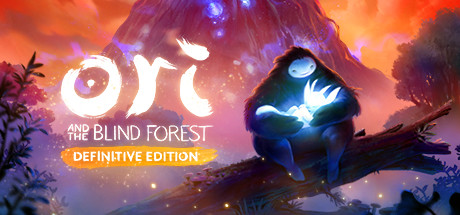
- Stunning art and emotionally impactful soundtrack
- Well-crafted world with expressive characters
- Engaging puzzles and rewarding exploration
- Excessive difficulty frustrates many players
- Weak combat and unclear hitbox mechanics
- Poor checkpoint system disrupts gameplay
Emotions
What players like:
Common complaints:
Gameplay feedback:
Performance notes:
Recommendations:
Other player notes:
Similar games
Blend with other games






Review evidence
Why players say this
Review evidence
Why players say this
What players like
Stunning art and soundtrack: Players consistently praise the game's visuals and music, describing them as breathtaking, immersive, and emotionally resonant. The art style is often compared to Studio Ghibli, and the soundtrack is highlighted as a key enhancer of the game's atmosphere.
Emotionally impactful storytelling: The narrative is praised for its emotional depth, minimalist storytelling, and ability to evoke strong feelings without relying on excessive dialogue. Themes of loss, hope, and resilience resonate deeply with players.
Well-crafted level and world design: The game's levels and world are praised for their organic design, interconnectedness, and attention to detail. Players enjoy the variety of environments and the way abilities integrate seamlessly into the level design.
Charming and expressive characters: Players appreciate the game's characters for their cuteness, expressiveness, and emotional depth. The character animations and designs are often described as delightful and nuanced.
Fluid and satisfying movement mechanics: The game's platforming and movement mechanics are frequently described as smooth, responsive, and enjoyable. Players appreciate the weight and fluidity of the protagonist's abilities, which make exploration and traversal engaging.
Common complaints
Excessive difficulty frustrates players: The game is criticized for its high difficulty, particularly in platforming and combat sections, which frustrates players with limited experience or slower reflexes. Many report repeated deaths and punishing mechanics like instakill hazards and tight time limits.
Weak or unsatisfying combat: Combat is criticized as shallow, spammy, or nearly non-existent, with repetitive mechanics and unengaging enemy design. Players find it boring, overly simplistic, or poorly integrated with the rest of the gameplay.
Visual and hitbox clarity issues: Poor visual design (e.g., excessive lighting, foreground clutter) obscures hazards, enemies, and hitboxes, making it difficult to navigate or react. This is especially problematic in fast-paced or high-difficulty sections.
Poor checkpoint and save systems: The lack of frequent checkpoints and an awkward save system (e.g., scarce resources, manual saves) forces players to repeat long sections, increasing frustration. Chase sequences and boss fights are particularly punishing due to this design.
Short length and repetitive content: The game is described as too short (6–12 hours), with repetitive gameplay loops, reused enemies, and limited replayability. Players feel it lacks meaningful content or variety beyond its initial playthrough.
Gameplay and performance
Progressive Ability Unlocks: Players unlock new movement abilities (e.g., double jump, dash, wall-cling) that progressively open up exploration and backtracking, a hallmark of Metroidvania design. These abilities are tightly integrated with level design and puzzles.
Precision Platforming Challenges: The game emphasizes pixel-perfect jumps, timed sequences, and instant-kill obstacles, requiring split-second reflexes and mastery of movement mechanics. This is a core aspect of its platformer identity, often cited as both rewarding and punishing.
Exploration-Driven Progression: Exploration is central, with hidden areas, secrets, and map completion tied to unlocking new paths or abilities. Players frequently backtrack to access previously inaccessible zones, a key Metroidvania trait.
Adjustable Difficulty Modes: The game offers multiple difficulty settings (e.g., easy, normal, hard, One Life), though some players note these don’t drastically alter core mechanics. Challenge runs (e.g., no-death, speedrunning) are explicitly encouraged via achievements.
Bash Mechanic Integration: The Bash ability (slingshotting off enemies/projectiles) is a versatile tool for platforming, combat, and puzzles. Its mastery is often cited as critical for overcoming later-game challenges.
Mixed performance across hardware: The game runs smoothly on low-end and older hardware (e.g., laptops, Steam Deck) but exhibits lag, stuttering, or performance issues on both older (i3 without dedicated GPU) and modern systems (Intel 14th gen, Meteor Lake). Users report inconsistent experiences depending on hardware configuration.
Graphical and resolution adjustments needed: Users must tweak resolution settings, disable V-Sync, or adjust graphical options to achieve playable performance, especially on 2K/4K screens. Some report resolution and aspect ratio issues even after adjustments.
Input and responsiveness issues: Players frequently report input delays, dropped inputs, and input cancellation, particularly on PC. Controller input issues and laggy responsiveness further exacerbate gameplay frustration.
System-specific workarounds required: Players need to disable Nvidia threaded optimization, unpark CPUs, or use Windows 7 compatibility mode to mitigate performance or launch issues. These workarounds highlight underlying optimization problems.
Freezes and crashes during gameplay: The game freezes or crashes, particularly with V-Sync enabled or due to heavy visuals. Some users report generating crash reports, indicating stability issues.
Recommendations
Highly recommended for genre fans: The game is strongly recommended for fans of Metroidvanias, platformers, and challenging games, with many reviewers calling it a must-play for these audiences. Its emotional storytelling and artistic design also appeal to those who value narrative depth.
Appeals to casual and hardcore players: The game is praised for its accessibility to casual gamers while still offering a high difficulty curve for achievement hunters and masochists. This dual appeal broadens its audience significantly.
Worth the price, especially on sale: Reviewers frequently mention the game’s value, recommending purchases during sales (under $10) or as a bundle. Many consider it worth full price due to its quality and content.
Challenging but rewarding gameplay: The game’s difficulty is a polarizing but defining feature, with precision platforming and punishing mechanics appealing to players who enjoy mastery and risk-reward systems. Some caution against completionism for better enjoyment.
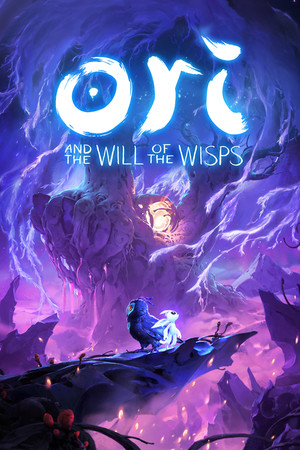
Sequel preferred by some: While the game is widely recommended, a subset of reviewers suggest playing the sequel first or instead, citing improvements in design or storytelling. This is particularly noted for players less fond of platformers.
Platform notes
Steam Deck: Ori and the Blind Forest delivers a largely seamless experience on the Steam Deck, with the majority of users reporting native compatibility, stable performance, and no significant technical barriers. The game is labeled as 'Verified' and runs well at 60 FPS, though isolated incidents of FPS drops, vsync issues on the OLED model, and minor cinematic glitches on Linux with Proton were noted. Control precision, while generally praised, can lead to frustration during challenging platforming sections. No external launchers or Proton toggling are required, reinforcing the game's accessibility on the Steam Deck.
Extra review signals
Monetization: The monetization model of *Ori and the Will of the Wisps: Definitive Edition* is largely perceived as fair, with no evidence of pay-to-win mechanics, lootboxes, or aggressive microtransactions. However, two key concerns emerge: (1) the game is marketed as a full-priced new release despite being a remaster, which some users feel could have been handled as a free update or DLC, and (2) regional lockout and language exclusion practices are seen as aggressive and alienating. These issues slightly tarnish an otherwise fair monetization approach.
External guides: The user feedback highlights a significant issue with the game's reliance on external resources, such as wikis and walkthroughs, to understand mechanics, solve puzzles, and progress through the story. While some users appreciate the game's 'show, don't tell' approach, many find the lack of in-game guidance frustrating and disruptive to immersion. The most severe complaints revolve around unclear tutorials, unintuitive design, and the necessity of external aids, which overshadow the game's strengths in storytelling and aesthetics. However, a few users report a positive experience when the game effectively teaches mechanics without external help.
Other review notes
Trading card system inconsistency: Players note differences in the trading card system between the Definitive Edition and the original version, with cards only dropping in the original. This has caused confusion and frustration among those who expected consistency across editions.
Broad age suitability: The game is described as suitable for a wide audience, including kids, teens, and adults, with a difficulty level that is not overly challenging. This makes it accessible to a diverse player base.
Character and title affinity: Ori is frequently cited as a favorite character, and the game is compared favorably to titles like *Celeste*, indicating strong emotional connections and high praise for its design.
Indie game entry point: The game was originally planned as a Mario-like title and later became a significant entry point for indie games, helping to popularize the genre among players.
Steam Deck compatibility: The game is frequently played on the Steam Deck and laptops, highlighting its portability and adaptability to different hardware setups.