- Polished and cohesive gameplay experience
- High replay value and content
- Outstanding art and immersive soundtrack
- Inferior to predecessor in key areas
- Unbalanced and unfair combat mechanics
- Confusing and frustrating map design
Emotions
What players like:
Common complaints:
Gameplay feedback:
Performance notes:
Recommendations:
Other player notes:
Similar games
Blend with other games 88%Blasphemous 2
 87%GRIME II
 87%Gal Guardians: Servants of the Dark
 86%Afterimage
 85%Gestalt: Steam & Cinder
 84%Ori and the Will of the Wisps
 84%Ori and the Blind Forest
 84%Ghost Song
 84%8Doors: Arum's Afterlife Adventure
 84%Ori and the Blind Forest: Definitive Edition
 84%Hollow Knight: Silksong
 84%Possessor(s)
Review evidence
Why players say this
Review evidence
Why players say this
What players like
Polished and cohesive gameplay: The game is praised for its responsive controls, smooth combat, and refined mechanics. Players appreciate the lack of frustrating elements (e.g., excessive backtracking, anti-player puzzles) and the overall polish of the experience.
High replay value and content: The game offers a substantial amount of content (e.g., 30+ hours for completion), with New Game+ modes, hidden secrets, and varied playstyles encouraging multiple playthroughs.
Rewarding exploration and progression: Players consistently highlight the game's well-designed exploration mechanics, clear progression, and rewarding sense of discovery. The map design and exploration indicators (e.g., turning areas blue) enhance satisfaction and reduce tedium.
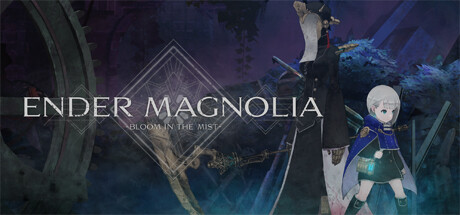
Outstanding art and soundtrack: The game's visuals, art direction, and soundtrack (particularly by Mili) are frequently highlighted as immersive and emotionally resonant. The atmosphere is described as haunting, beautiful, and cohesive with the gameplay.
Quality-of-life enhancements: Numerous quality-of-life improvements (e.g., fast travel, reduced backtracking, intuitive UI) are highlighted as making the game more enjoyable and less frustrating compared to the first installment.
Common complaints
Inferior to predecessor in key areas: The game is frequently compared unfavorably to its predecessor, with weaker story, music, art style, and atmosphere. Players felt it lacked the uniqueness, emotional impact, and polish of the first game.
Weak and fragmented storytelling: The story is criticized for being impersonal, confusing, and lacking emotional depth compared to the predecessor. Many players noted unresolved plot points, abrupt endings, and underdeveloped characters, reducing immersion.
Unbalanced and unfair combat mechanics: Combat suffers from poor balancing, including excessive enemy damage, lack of invincibility frames, and unfair boss mechanics. Players reported frustration with one-shot mechanics, inconsistent hitboxes, and poorly designed enemy attacks.
Repetitive and uninspired boss fights: Bosses are criticized for being too easy, repetitive, or poorly designed. Many lack memorable identity, rely on unfair mechanics (e.g., instant-kill attacks), and fail to challenge players meaningfully.
Confusing and frustrating map design: The map is described as convoluted, with excessive backtracking, unclear teleportation mechanics, and poor organic connectivity. Players struggled with navigation, especially in mid-to-late game areas.
Gameplay and performance
Metroidvania exploration structure: The game adopts a Metroidvania-style progression with ability-gated paths, backtracking, and hidden secrets. Exploration is incentivized by unlockable skills (e.g., double jump, wall climbing) and a detailed map system.
Customizable difficulty settings: Players frequently highlight the ability to adjust difficulty via presets (Easy, Normal, Hard) or custom sliders (e.g., enemy HP, damage, attack frequency). This flexibility caters to both casual and hardcore players, addressing balancing concerns.
Skill and build variety: Players appreciate the diverse skill trees, equipment (e.g., relics, homunculi), and customizable loadouts, enabling unique playstyles. However, some skills are criticized for lacking versatility in main attacks.
Enemy and encounter design flaws: While some enemies introduce creative mechanics (e.g., electric attacks), others are criticized for repetitive placement, scripted behaviors, or unfair projectile spam.
Removed collision damage: A quality-of-life improvement where damage from colliding with enemy models is removed, except for specific attribute-based enemies. This reduces frustration during combat.
Excellent performance optimization: Players report smooth gameplay with no frame drops, bugs, or performance issues across multiple platforms, including low-end hardware. The game is praised for its optimization and fast load times.
Minor input and controller issues: Some players experience input lag, controller malfunctions (e.g., PS4/PS5 controllers), and button unresponsiveness. Adjustments like deadzone tweaks are needed for optimal play.
Occasional crashes and frame limits: A subset of players report sporadic crashes and issues caused by frame limits, which can disrupt gameplay. These problems are less frequent but impact user experience.
Recommendations
Recommended for series newcomers: The game is highly accessible for players new to the genre or series, with flexible difficulty and improved mechanics over its predecessor. However, some advise managing expectations or playing the first game for context.
Strong sequel improvements: The game is recommended for its significant improvements over the first title, including gameplay, accessibility, and quality-of-life changes. Fans of the predecessor are especially encouraged to play.
Must-play for Metroidvania fans: The game is widely recommended for fans of the Metroidvania genre, particularly those who enjoy dark fantasy settings, exploration, and combat. It is also praised as an accessible entry point for newcomers.
Worth the purchase price: Reviewers frequently mention the game is worth its price, especially on sale, due to its content, quality, and replayability. Some suggest waiting for a discount.
Narrative polarizes newcomers: The game’s storytelling is satisfying for fans of the series but may be polarizing for newcomers due to its style or reliance on lore from the first game. Some recommend playing the prequel first for context.
Other review notes
Dog companion interaction praised: The ability to pet and interact with a dog companion in-game is repeatedly mentioned as a positive feature, contributing to player enjoyment and emotional engagement. This reflects the value of simple, rewarding interactions.
Save point design criticism: Some players criticize the game's save point design, comparing it unfavorably to *Dark Souls* and suggesting it disrupts pacing or convenience. This indicates a preference for more player-friendly or strategic checkpoint systems.
Completionist content engagement: A subset of players completed extensive non-achievement content, such as maxing out levels, collecting all items, and upgrading relics. This reflects dedication but may also imply a desire for more meaningful endgame challenges.