- Exceptional and engaging gameplay experience
- Stunning visuals with masterful art direction
- Masterful soundtrack enhances emotional impact
- Punishing platforming mechanics frustrate players
- Locked post-game saves limit replayability
- Severe FPS drops and optimization issues present
Emotions
What players like:
Common complaints:
Gameplay feedback:
Performance notes:
Recommendations:
Other player notes:
Similar games
Blend with other games





Review evidence
Why players say this
Review evidence
Why players say this
What players like
Exceptional gameplay experience: The game is widely praised for its polished, smooth, and engaging gameplay mechanics, including tight platforming, fluid movement, and a rewarding difficulty curve. Players highlight its accessibility and timeless enjoyment.
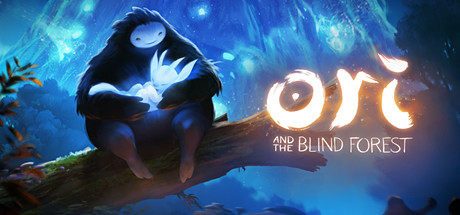
Stunning visuals and art direction: The game features breathtaking hand-painted visuals, lush environments, and a Disney-like art style. Players consistently praise its artistic vision, animations, and attention to detail.
Masterful soundtrack and audio: The soundtrack is emotionally resonant, non-repetitive, and seamlessly integrated with gameplay and narrative. Players describe it as orchestral-level, haunting, and unforgettable.
Engaging level design: Levels are imaginative, layered, and designed to minimize frustration. Players praise the smooth progression, creative themes, and lack of malicious design.
Balanced and accessible difficulty: The game offers a well-balanced difficulty curve, suitable for both beginners and experienced players. Customizable difficulty and relaxed combat make it accessible without sacrificing challenge.
Common complaints
Punishing platforming mechanics: The game features excessive instant-death traps, low fault tolerance in puzzles, and poorly guided level design, particularly in mid-to-late game sections. Players report frustration with precision-based platforming and lack of combat depth during these sequences.
Locked post-game saves: After completing the game, players cannot revisit old saves or maps, preventing 100% completion or achievement hunting without restarting. This design choice frustrates players aiming for full collection or replayability.
Shallow combat and boss design: Combat is described as button-mashing with few enemy types, no bosses, and monotonous mechanics. Players note a lack of depth compared to other Metroidvanias, with overly tanky enemies and unclear progression paths.
Weak story and narrative: The main story is criticized as simplistic, illogical, or unsatisfying, with minimal dialogue and underdeveloped side characters. Players report the narrative feeling disjointed from the gameplay experience.
Frustrating save system: The manual save system requires energy (blue resource), lacks auto-save, and fails in critical sections (e.g., escape levels). Players report losing progress due to infrequent save points or death penalties.
Gameplay and performance
Puzzle and traversal challenges: The game includes puzzles and environmental challenges, such as timed jumps, dynamic obstacles, and ability-based solutions. These elements are integrated into the platforming and exploration.
Light combat with mobility focus: Combat is present but secondary to platforming and exploration. Mechanics like bashing, dashing, and one-hit kills are mentioned, but the emphasis is on mobility and traversal over combat depth.
Ability-gated progression: Players unlock new abilities (e.g., double jump, dash, climb) that are required to access previously unreachable areas. This mechanic is central to the Metroidvania-style progression and replayability.
Core 2D platforming mechanics: The game is fundamentally a 2D platformer with layered movement mechanics, including jumping, climbing, gliding, and dashing. Players highlight the fluidity and responsiveness of these controls, which are central to the gameplay experience.
Metroidvania-style exploration: The game adopts a Metroidvania structure with interconnected maps, backtracking, and ability-gated progression. Players emphasize the non-linear exploration and minimal guidance, which are hallmarks of the genre.
Severe FPS drops and stuttering: Players report frequent frame drops and stuttering, even on high-end hardware (e.g., RTX 3080 + i7-12700KF), causing 2-second slow-motion stutters during gameplay. This issue is widespread and significantly impacts performance.
Resolution settings non-functional: Resolution adjustments are broken, with players unable to change settings (e.g., 2K to 2049x2560) or requiring manual workarounds. Some reviews mention compatibility mode fixes, but the issue persists across systems.
Optimization inconsistencies: Feedback on optimization is polarized: some players praise performance on low-end PCs, while others report lag and poor optimization, especially in the 'Definitive Edition.' This suggests uneven performance across hardware.
Keyboard input conflicts: Keyboard controls malfunction on both built-in and external keyboards, causing input interference and disrupting gameplay. This issue is consistent across multiple setups.
Gameplay-affecting bugs: Specific bugs, such as the 'laser bug' and missing energy orbs, directly impact gameplay mechanics. These issues are frequently cited as disruptive to progression.
Recommendations
Highly recommended for genre fans: The game is widely praised as a must-play for fans of Metroidvania, indie platformers, and atmospheric storytelling. It is often compared to classics like Hollow Knight and Celeste, with emotional depth and replayability highlighted.
Play sequel first for smoother experience: Some players suggest starting with the sequel (Ori 2) for a more accessible introduction, especially for those intimidated by the difficulty or complexity of the first game. This is often tied to story continuity or reduced frustration.
Buy Ultimate/Definitive Edition: The majority of players strongly recommend purchasing the Ultimate or Definitive Edition over the standard version due to additional content, fixed issues, and a more complete experience. Some suggest alternative platforms or regional purchases for better value.
Avoid if frustrated by difficulty: The game is noted for its challenging platforming and traversal, which may frustrate players without patience or those who dislike high-difficulty games. Some recommend watching streams or guides instead of playing.
Chinese localization patches suggested: A subset of players recommends applying Chinese localization patches or purchasing the Definitive Edition from alternative platforms (e.g., XiaoHeiHe) for a more complete or accessible experience.
Other review notes
Comparisons to other games: Players frequently reference *Hollow Knight*, *Silksong*, and *Celeste* to contextualize their expectations or experiences. These comparisons suggest the game is evaluated within a niche of precision platformers.
Controversy over piracy and studio drama: Feedback includes criticism of developer choices like region-locking and language removal, as well as broader concerns about studio drama and potential series cancellation. These points are often politically charged and tangential to gameplay.
Extended playtime and progression: Reviews mention lengthy playthroughs, such as completing the game over several months. This indicates deep engagement but may also reflect pacing or content volume.
Discovery via external platforms: Some players discovered the game through YouTube or other media, highlighting the role of content creators in driving awareness. This is a common but less gameplay-focused observation.
Personal attachment to BGM: A niche but notable point where players express strong emotional connections to the soundtrack, such as using it as a phone ringtone. This underscores the game's audio design impact.