- Fluid and satisfying combat mechanics
- Engaging puzzles and platforming elements
- Unique and memorable boss fights
- Moody and impactful storytelling experience
- Underutilized mechanics and content
- Short playtime with rushed story progression
Emotions
What players like:
Common complaints:
Gameplay feedback:
Performance notes:
Recommendations:
Other player notes:
Similar games
Blend with other games



Review evidence
Why players say this
Review evidence
Why players say this
What players like
Fluid and satisfying combat: Combat is praised for its responsiveness, variety, and satisfying feedback. Players enjoy the combo system, weapon-swapping, and punchy animations, which contribute to an addictive and well-balanced experience.
Engaging puzzles and platforming: Puzzles are well-integrated with the harpoon mechanics and platforming, offering a balanced challenge. Players appreciate the creativity and organic design, which enhances exploration and problem-solving.
Harpoon mechanics define gameplay: The harpoon is central to combat, puzzles, and traversal, creating a dynamic and engaging system. Players highlight its versatility, including teleportation, grappling, and mid-air mechanics, which add depth to both action and exploration.
Unique and memorable boss fights: Boss battles are praised for their creativity, visual flair, and distinct challenges. Players highlight the imaginative designs and satisfying combat encounters.
Well-paced and accessible experience: The game respects player time with a short, well-balanced runtime and smooth pacing. Players enjoy the lack of artificial time-stretching and the accessibility for casual gamers.
Common complaints
Underutilized Mechanics and Content: Abilities, weapons, and hats are often deemed useless or underutilized due to the game’s short length and lack of complexity. This extends to missed opportunities for deeper gameplay and lore.
Short Playtime and Rushed Story: The game’s length is a major point of frustration, with many completing it in 4-7 hours. This brevity leads to a rushed narrative, underdeveloped characters, and an unsatisfying ending, limiting replayability and emotional impact.
Linear and Uninspired Level Design: The game’s progression is overly linear, lacking interconnected maps or incentives to revisit areas. Limited enemy variety and weak platforming elements further reduce exploration and depth.
Excessive Loading Times: Frequent and lengthy loading screens, unskippable transitions, and slow sequences disrupt gameplay flow, wasting time and frustrating players, especially given the game’s short length.
Save System and Replayability Flaws: The auto-delete of save files upon completion and lack of cloud/local saves force players to restart from scratch. Collectibles are lost permanently if not completed in one playthrough, reducing replay value.
Gameplay and performance
2D action-platformer with exploration: The game is primarily a 2D side-scrolling action-platformer with a focus on combat, platforming, and light exploration. Players note its linear yet engaging structure, often comparing it to Metroidvania-lite experiences.
Linear but explorable level design: The game features a linear progression with optional secrets, hidden paths, and minimal backtracking. Players enjoy the balance between guided narrative and exploration for rewards.
Hat crafting for combat variety: Hats serve as a progression system, granting passive buffs or altering combat styles. Players appreciate the customization and strategic depth added by unlocking or crafting different hats.
Puzzle-solving tied to tools: Puzzles are integrated with combat tools (e.g., harpoon teleportation, traversal mechanics) and environmental interactions. Players highlight their role in breaking up action sequences.
Hub-based progression system: A village hub expands as players progress, offering NPC interactions, crafting, and upgrades. Players enjoy the sense of growth and community tied to exploration.
Frequent game crashes: Multiple reports of crashes during gameplay, particularly when transitioning between levels or after repeated attempts. Some crashes are implied without specific triggers, indicating instability in core systems.
Launch and stability issues: Reports include startup failures (e.g., Russian feedback on launch problems) and periodic freezes during gameplay. Some players note resilience in certain conditions, but instability remains a widespread concern.
Black screen progression blocks: Players encounter black screens that prevent progression, with some attributing the issue to HDD storage. This bug severely disrupts gameplay and may require hardware-specific fixes.
Late-game and debug bugs: Technical issues emerge in later stages of gameplay, alongside problems in debug modes. These may indicate rushed development or insufficient QA for edge cases.
Low system requirements: The game’s minimal hardware demands are noted, but this advantage is undermined by performance issues even on SSDs, highlighting optimization gaps.
Recommendations
Appeals to indie and retro fans: The game is highly recommended for fans of indie titles, pixel art, retro aesthetics, and 2D platformers. It is often described as a polished, small-scale experience with a unique visual and auditory style.
Highly recommended for narrative fans: The game is frequently praised for its atmospheric, story-driven experience, making it ideal for players who prioritize narrative and aesthetics over combat or exploration depth. It is often compared favorably to other indie games with unique visual styles and melancholic tones.
Best purchased on sale: Many reviewers suggest buying the game only during discounts, bundles, or sales due to its short duration or niche appeal. The demo is also recommended as a trial before purchasing.
Short but memorable experience: The game is often described as concise and ideal for a single playthrough, offering a coherent and immersive experience. However, its brevity is a common reason for recommending it only at a discounted price.
Not for hardcore action gamers: Players seeking challenging platformers like *Celeste* or deep combat mechanics may find the game lacking. It is better suited for casual gamers or those who prefer a relaxed, story-focused experience.
Other review notes
Accessible low system requirements: The game is commended for running smoothly on low-end PCs, making it accessible to a broader audience. This is a key advantage for players with limited hardware.
Cultural representation concerns: Players critique the character design and cultural representation, suggesting it may lack authenticity or sensitivity. This feedback highlights a need for better inclusivity and research in character development.
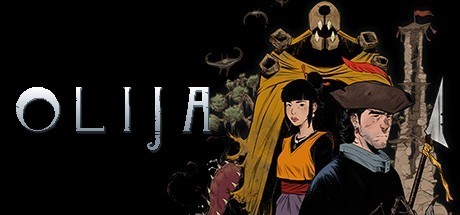
Muted palette and atmospheric colors: Players appreciate the game’s muted color palette, which enhances its atmospheric and immersive qualities. This design choice contributes to the game’s unique visual identity.
Praised trailer art style: The trailer’s art style receives positive feedback, indicating strong visual appeal and effective marketing. This suggests the game’s aesthetic resonates well with its target audience.
Inspired by retro and indie classics: The game’s vibe is compared to titles like *The Eternal Castle* and *Hyperlight Drifter*, indicating a nostalgic yet fresh aesthetic. This appeals to fans of retro-inspired indie games.