- Improvements over the original game.
- Outstanding art and detailed pixel design.
- Engaging gameplay with weapon variety.
- Cutscenes lack consistent pixel art style.
- Presence of bugs affecting gameplay.
- Criticisms of DLC and boss design.
Emotions
Archetypes
Hardware
What players like:
Common complaints:
Gameplay feedback:
Performance notes:
Recommendations:
Other player notes:
- -
No data available
Similar games
Blend with other games




Review evidence
Why players say this
Review evidence
Why players say this
What players like
Improvements over the original: Many players note significant improvements over the original game, including enhanced graphics, gameplay mechanics, and overall user experience. These improvements make the game more enjoyable and user-friendly.
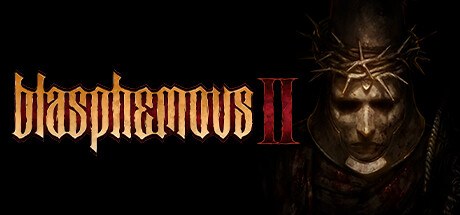
Outstanding art and design: The game's art design, aesthetic, and atmosphere are frequently commended. Players find the artistic design impressive, with beautiful visuals and superb art contributing to an immersive experience.
Enjoyable and engaging gameplay: Players consistently highlight the enjoyable and engaging nature of the gameplay, including fun mechanics, satisfying combat, and a rewarding gameplay loop.
Improved combat system: The combat system is praised for its complexity, precision, and variety. Players appreciate the challenging and fast-paced melee combat, as well as the introduction of new combat mechanics.
High-quality Metroidvania: The game is often described as a top-tier Metroidvania, with solid platforming, excellent level design, and a gameplay style that appeals to fans of the genre.
Common complaints
Cutscenes lack pixel art: Players were disappointed with the change in cutscene animation style, which moved away from pixel art to a less consistent and less appealing style.
DLC criticisms: Players criticized the DLC for being expensive, requiring additional payment for full completion, and not offering enough value for the price.
Presence of bugs: Several players encountered bugs, some of which were frustrating and game-breaking, affecting progression and achievements.
Boss design criticized: Many players found the boss designs to be mediocre, uninteresting, and less memorable compared to the first game. Bosses were also considered too easy and lacking in character.
Story lacks depth: The story was found to be weak, disjointed, and lacking in depth and meaning, making it less engaging for players.
Gameplay and performance
Weapon variety and customization: The game offers a variety of weapons, each with unique uses and upgrade trees. Players can customize their playstyle with different weapon configurations and choices.
Level design and exploration: The game features a Metroidvania-style level design that emphasizes exploration and discovery of new areas. Players find the level design intricate but sometimes confusing, especially with screen transitions.
Boss design and combat: Boss fights are challenging and require learning patterns and timing attacks. The game features unique and diverse boss battles with multiple phases and progressing soundtracks.
Metroidvania and Soulslike elements: The game combines traditional Metroidvania exploration with Soulslike combat mechanics. This blend creates a unique gameplay experience that challenges players with complex combat and exploration.
Game mechanics and combat: The game introduces new gameplay mechanics and improvements to combat systems. Players note the complexity and diversity of the gameplay mechanics, which enhance the overall experience.
Boss fight bugs: Several bugs related to boss fights have been reported, including game-breaking bugs and issues preventing damage to bosses.
Sound and music issues: There are multiple reports of sound and music not playing correctly, including issues during boss fights.
General bugs and glitches: Players have encountered various minor bugs, errors, and glitches throughout the game.
Low system requirements: The game is reported to run easily on low-end systems, including cheap laptops and integrated graphics.
Game crashes and freezes: Players have reported instances of the game crashing and freezing during gameplay.
Recommendations
Highly recommended game: Many players highly recommend the game for its overall quality and enjoyable gameplay experience.
Worth playing if enjoyed the first: If you loved the first game, you are likely to enjoy the second one as well. It is worth playing for fans of the first game.
Better with prior game experience: Players who have experienced the first game are likely to enjoy the second game more, as it builds on the story and combat mechanics introduced in the first game.
Recommended for Metroidvania fans: The game is highly recommended for fans of the Metroidvania genre, as well as those who enjoy adventure games and Spanish music.
Worth buying, especially on sale: The game is considered worthwhile to purchase, particularly when it is available at a discounted price.
Buying context
Community fair range: $10.00 - $20.00.
Game completion: 30.0h.
Story completion: 15.0h.
Session length: 2.0h.
Endgame: 10.0h.
The game initially presents several friction points such as bugs, tedious platforming, and frequent backtracking, but it becomes enjoyable once players overcome these early obstacles and unlock certain game features.
Reported time to anchor: 2h.
Player profiles
Newcomer Enthusiast: Exploratory and combat-focused, appreciating the game's improved mechanics and accessibility. Motivation: Enjoyment of a well-balanced and accessible game. Stance: buy.
Series Veteran: Story and combat-focused, with a preference for smoother gameplay and improved mechanics. Motivation: Appreciation for the game's improvements and accessibility while enjoying the story and combat mechanics. Stance: sale.
Nostalgic Fan: Comparative and nostalgic, enjoying the sequel but with a preference for the first game's unique characteristics. Motivation: Nostalgia and appreciation for the first game's unique qualities. Stance: deep sale.
Platform notes
The game generally performs well on systems with less than 8GB VRAM, though some users report minor glitches.
Windows <8GB VRAM: positive. Mostly fluid and stable performance, with some minor glitches reported.
Steam Deck: The analysis of user feedback for the Steam Deck experience reveals several critical issues impacting the overall user experience. Stability issues, such as frequent crashes and inability to launch the game, are significant problems reported by multiple users. Graphical glitches, including black screens and language resets, also disrupt the gaming experience. Control issues, such as input lag and poor control mapping, are particularly impactful in a game that requires precise controls. Additionally, users have noted problems with the user interface and controls, including the color palette and control configuration. These issues collectively contribute to a less than optimal gaming experience on the Steam Deck.
Linux and Proton: The game generally runs well on Steam Deck, indicating good compatibility with Proton/Linux. There are minor performance issues reported, such as input lag, but these do not significantly impact the overall positive experience.
Extra review signals
Monetization: The analysis of user reviews for Blasphemous 2 reveals significant concerns regarding the game's DLC practices. Key issues include the locking of essential content and the true ending behind a paywall, which disrupts the game's pacing and frustrates players. The DLC is frequently criticized for being overpriced and offering limited value, with some players feeling that the content does not justify the cost. Technical issues, particularly with achievements, further detract from the gaming experience. Additionally, the quality of the DLC content is questioned, with some players feeling it lacks the essence and polish of the base game. These factors collectively contribute to a negative perception of the game's monetization strategy.
External guides: The analysis of user feedback reveals several key themes impacting the user experience. Navigation and guidance are major issues, with many users finding it necessary to rely on external guides to progress through the game. Boss fights and overall game difficulty also pose significant challenges, often requiring walkthroughs for harder content. Collectibles and achievements are another pain point, with users struggling to complete collections and achieve specific endings without external help. Hidden secrets and exploration provide a mix of satisfaction and frustration, with some users enjoying the discovery process while others resort to guides. Finally, understanding the story and appreciating the game's art style are difficult without additional resources, affecting the overall immersion and enjoyment.