- Stunning visuals and art
- Exciting and improved combat
- Emotional and engaging story
- Smooth and precise platforming
- Controls are stiff and difficult
- Frustrating map and level design
Emotions
Archetypes
Hardware
What players like:
Common complaints:
Gameplay feedback:
Performance notes:
Recommendations:
Other player notes:
Similar games
Blend with other games





Review evidence
Why players say this
Review evidence
Why players say this
What players like
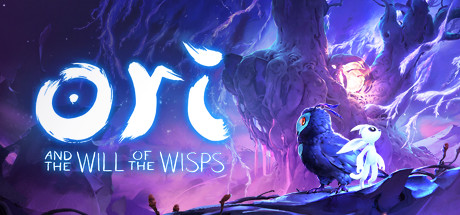
Stunning visuals and art: The game features gorgeously drawn and animated visuals with rich details, vibrant colors, and impressive lighting. The art style is consistently praised for its beauty and depth.
Exciting and improved combat: The combat system has been improved with new mechanics, making it more engaging and enjoyable. Players appreciate the satisfying combat feel and the addition of thrilling boss fights.
Emotional and engaging story: The story is heartfelt and emotionally impactful, with engaging characters and a well-told narrative. It is described as an emotional roller coaster that adds significant value to the gameplay experience.
Improvements over the first game: The game is seen as an improvement over the first one, with better storytelling, gameplay mechanics, and overall enhancements. It maintains what was great about the first game while adding new elements.
Outstanding metroidvania elements: The game is recognized as one of the best in the Metroidvania genre, with excellent exploration, diverse abilities, and a wide range of improvements. It is highly recommended for fans of the genre.
Common complaints
Game can be challenging: The game is noted for its high difficulty and challenging sections, which can be frustrating for some players.
Controls are stiff and difficult: Many players find the controls to be stiff, difficult to manage, and poorly mapped. This leads to a complicated and frustrating gameplay experience.
Frustrating map and level design: The map and level design are often cited as frustrating and poorly thought-out, leading to a negative player experience.
Insufficient guidance and unclear objectives: Players frequently mention a lack of guidance and unclear objectives, making it difficult to progress in the game.
Game is too short: Several players feel that the game is relatively short and not worth the price.
Gameplay and performance
Highly praised gameplay mechanics: The gameplay is frequently described as very good, replayable, smooth, intuitive, polished, engaging, enjoyable, and dynamic. Players appreciate the responsive controls and the overall high quality of the gameplay experience.
Deep and satisfying combat system: Combat is a central focus, with players praising the depth and quality of the combat mechanics. The game offers a full-fledged combat system that is both engaging and well-designed.
Metroidvania genre elements: The game is often categorized as a Metroidvania, featuring puzzle platforming, linear and open-ended exploration, and a mix of combat and puzzle-solving within a fantasy theme.
Character abilities and progression: The game includes a variety of character abilities and a progression system that allows for ability upgrades and new abilities, enhancing character performance and customization.
Story-driven and dynamic gameplay: The game includes story-driven gameplay with character interactions, action-adventure elements, and semi-RPG elements. Players appreciate the dynamic and skill-based gameplay.
Stable and smooth performance: The game runs smoothly and maintains stable performance across various hardware configurations.
Bugs and glitches present: Players have reported encountering various bugs and glitches, including minor bugs and texture flickering.
Screen freezing and stuttering: Some players experience screen freezing and stuttering issues during gameplay.
Frequent crashes: Some players have reported frequent crashes and Unity errors, which can disrupt gameplay.
Low hardware requirements: The game can be played on older hardware and has decent PC requirements, making it accessible to a wide range of players.
Recommendations
Recommended for platformer and Metroidvania fans: The game is highly recommended for fans of platformers, Metroidvania games, and those who enjoyed the first Ori game. It is praised for its appeal to both hardcore and casual gamers.
Play the first game before this one: Several reviews suggest playing the first Ori game before this sequel to fully appreciate the story and gameplay. Some recommend playing the predecessor first for a better experience.
Highly recommended for overall quality: The game is strongly recommended for its overall quality and experience. Many reviews suggest at least trying the game due to its high quality.
Recommended for new players: The game is recommended for new players and those who are trying out the genre for the first time. It is easy to recommend to anyone interested in the genre.
Emotional and beautiful experience: The game is recommended for those seeking an emotional, soulful, and beautiful experience. It offers a journey through a magical and poignant world.
Buying context
Community fair range: $3.00 - $15.00.
Game completion: 25.0h.
Endgame: 10.0h.
Players generally find 'Ori and the Will of the Wisps' fun immediately due to its smooth gameplay, engaging progression system, and enjoyable movement mechanics. The visuals and music further enhance the overall experience.
Unlock drivers: smooth gameplay; engaging progression system; enjoyable movement mechanics.
Player profiles
Ori Franchise Fan: Explorative and narrative-driven. Motivation: Narrative and lore. Stance: buy.
Casual Platformer Newcomer: Casual and relaxed. Motivation: Accessibility and ease of play. Stance: sale.
Combat and Platforming Enthusiast: Skill-focused and mastery-driven. Motivation: Gameplay mechanics and combat. Stance: buy.
Platform notes
Performance varies significantly across hardware cohorts, with lower VRAM systems experiencing crashes and instability, while higher VRAM setups report smooth gameplay with minor optimization issues.
Windows <8GB VRAM: negative. Frequent crashes and freezes, especially during extended play sessions.
Windows 12-15GB VRAM: positive. Smooth and enjoyable gameplay with beautiful graphics, though some note minor optimization issues for 4K resolution.
Steam Deck: The game receives high praise for its visuals, music, and overall gameplay experience, especially on the Steam Deck. However, significant issues include frequent crashes, display problems, and various bugs that hinder gameplay. The controls are generally well-received but can be overwhelming due to the number of skills available.
Linux and Proton: The game generally runs well on Linux using Proton, with some users completing it without issues. However, there are indications that specific versions of Proton may be required for optimal performance, suggesting minor tweaks might be necessary for some users.
Extra review signals
External guides: The game receives significant criticism for its exploration mechanics, quest clarity, map design, and lack of guidance, all of which frequently require players to consult external guides. However, the game's art and music are widely praised.
Other review notes
Customizable key bindings: The game offers detailed key bindings that players can customize to their preference.