- Unmatched combat system with deep mechanics
- Satisfying parry mechanics enhance gameplay
- Memorable boss fights with skill-based progression
- Steep learning curve frustrates beginners
- Camera and controls hinder gameplay experience
- Death penalties feel overly punitive
Emotions
What players like:
Common complaints:
Gameplay feedback:
Performance notes:
Recommendations:
Other player notes:
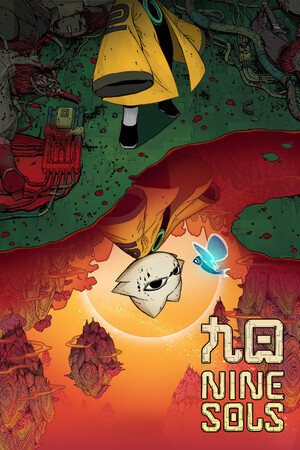
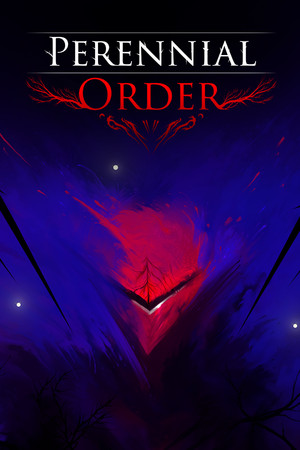
Similar games
Blend with other games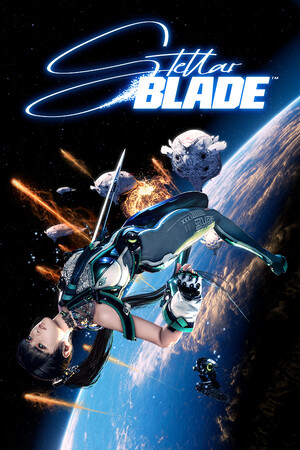





Review evidence
Why players say this
Review evidence
Why players say this
What players like
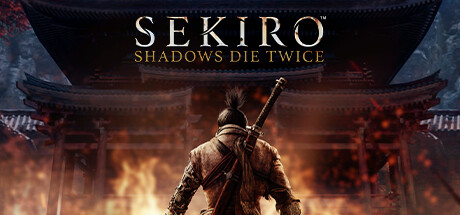
Unmatched Combat System: The game's combat is widely praised for its fluidity, depth, and unique mechanics like parrying and the posture system. Players highlight its responsiveness, rhythm-based gameplay, and rewarding mastery of swordplay, setting it apart from other action games.
Satisfying Parry Mechanics: The parry system is a standout feature, described as highly satisfying, engaging, and well-balanced. Players appreciate its precision, feedback, and the skill-based challenge it introduces, making combat feel like a rhythmic dance.
Memorable Boss Fights: Boss fights are frequently cited as highlights, offering dynamic, challenging, and emotionally impactful encounters. Specific bosses like Isshin and Genichiro are praised for their design, narrative integration, and the sense of accomplishment they provide.
Deep Story and Atmosphere: The game features a compelling narrative with tragic depth, well-developed characters, and a richly immersive world. The soundtrack and art direction enhance the emotional impact, creating a cohesive and engaging experience.
Prosthetics and Mobility Tools: Prosthetic tools and the grappling hook add variety to combat and exploration, introducing verticality and creative strategies. These mechanics are praised for their versatility and impact on gameplay.
Common complaints
Steep learning curve frustrates beginners: The game's initial difficulty is frequently cited as overwhelming, with a punishing learning curve that deters new or casual players. Many reviews highlight frustration during the first 10-13 hours due to unclear mechanics and high difficulty.
Camera and controls hinder gameplay: Poor camera mechanics (e.g., clipping into walls, tight-space issues) and input lag (especially for parrying/dodging) disrupt combat flow. Grab hitboxes and wonky controls exacerbate frustration during critical moments.
Map design causes confusion: The lack of a traditional map or unclear level design leads to disorientation, with players struggling to navigate or discover hidden mechanics. Instant-death falls and poor signposting compound the issue.
Death penalties feel punitive: Losing experience/money on death, combined with tedious re-clearing of minions after failures, creates a frustrating grind. Elite enemies with ranged attackers amplify this issue.
Cryptic narrative and lore: The story is criticized as overly obscure, requiring excessive exploration or external resources to understand. Lore is sparse and primarily serves to foreshadow events rather than engage players.
Gameplay and performance
Skill-based boss progression: The game emphasizes mastering boss fight patterns and precise timing over traditional RPG leveling. Players must adapt strategies and learn counters to progress, making skill development the core progression mechanic.
Stealth and assassination mechanics: Players can use stealth to thin out enemies or perform backstabs and high-ground assassinations. This adds strategic options for approaching combat and exploration.
Respawn and resurrection systems: Quick respawn mechanics and resurrection systems (e.g., double-life) provide narrative and gameplay depth, though they may come with consequences for repeated failures.
Exploration and hidden rewards: The game encourages exploration with hidden areas, vertical traversal, and rewards for thorough investigation. This adds replayability and depth to the world design.
Mixed performance optimization: The game generally runs smoothly at 60 FPS with reasonable system requirements, but some players report occasional FPS drops, freezes, and frame time inconsistencies. Optimization is praised, but inconsistencies affect gameplay fluidity.
Screen tearing issues: Screen tearing occurs when FPS is unlocked, and VRR (Variable Refresh Rate) issues exacerbate the problem, leading to visual discomfort for some players.
Input lag and FPS limitations: Input lag is a notable issue, particularly when the game is locked at 60 FPS. This affects responsiveness and player experience, especially in fast-paced scenarios.
Controller support problems: Players frequently encounter issues with controller recognition and functionality, disrupting gameplay for those who prefer controllers over keyboard/mouse.
HDR implementation flaws: While HDR support enhances visual quality for some players, others report implementation issues that detract from the intended immersive experience.
Recommendations
Highly challenging but rewarding: The game is frequently recommended for players who enjoy difficult, skill-based combat and rewarding experiences. Many reviews highlight its steep learning curve but emphasize the satisfaction of mastering mechanics and overcoming challenges.
Must-play for action game fans: The game is widely regarded as a masterpiece for fans of challenging action games, particularly those who appreciate deep combat systems, replayability, and immersive storytelling. It is often described as setting a high standard for the genre.
Skill-based progression over RPG mechanics: The game appeals to players who prefer skill-based progression and mastery over traditional RPG mechanics like build variety or stat grinding. It rewards precision, strategy, and adaptation.
Strong narrative and emotional impact: The game is praised for its strong narrative, character development, and emotional depth, which enhance the overall experience and make it more immersive for players.
GOTY-worthy experience: The game is frequently mentioned as deserving of Game of the Year (GOTY) recognition, with many reviews calling it one of the best and most satisfying games in its genre.
Other review notes
FromSoftware's evolved slasher design: Reviewers highlight the game as an evolution of classic slashers, incorporating FromSoftware's signature design philosophy. Many consider it one of the studio's last standout releases before a perceived decline.
Buddhist themes explored deeply: The game delves into Buddhist concepts like Anicca (impermanence), Dukkha (suffering), and Anatta (non-self), using its narrative and mechanics to reflect these philosophical ideas.
Irrelevant external comparisons: Some reviews draw negative comparisons to unrelated games like *World of Tanks* or *Black Ops III Zombies*, which do not contribute meaningfully to the discussion of this game's design or experience.
Endings reflect attachment themes: The game's multiple endings are tied to themes of attachment and letting go, offering players meaningful choices that align with the story's philosophical underpinnings.
Mods enhance replayability: Community mods, such as the Resurrection mod, are cited as adding significant replay value by introducing new content, mechanics, or quality-of-life improvements to the base game.