- Excellent character creation system
- Engaging souls-like gameplay
- Appealing art style and music
- Confusing maze-like map design
- Clunky and floaty combat
- Low enemy variety and reskins
Emotions
Archetypes
Hardware
What players like:
Common complaints:
Gameplay feedback:
Performance notes:
Recommendations:
Other player notes:
Similar games
Blend with other games







Review evidence
Why players say this
Review evidence
Why players say this
Steam review verdict
Great character creation and engaging soulslike gameplay with appealing art and music, but let down by a confusing maze-like map, clunky floaty combat, and low enemy variety with reskins.
What players like
Excellent character creation system: The character creation system is repeatedly praised for its depth and customization options. It is considered one of the best in the genre, allowing extensive personalization and creativity.
Engaging souls-like gameplay: The game is recognized as a solid entry in the souls-like genre, with fun combat and unique features. Players appreciate the familiar mechanics combined with new elements like the blood code system.
Appealing art style and music: The anime-inspired art style and high-quality soundtrack are major highlights. The aesthetic is described as beautiful, stylish, and well-executed, contributing to the game's overall appeal.
Decent overall game quality: Many reviews rate the game positively overall, describing it as good, fun, and surprising. While not perfect, it is considered a worthwhile experience.
Innovative blood code system: The blood code system is highlighted as an innovative feature that allows flexible class switching and deep build customization. It supports varied playstyles and adds strategic depth.
Common complaints
Confusing maze-like map design: Players frequently criticize the map design as confusing, mazelike, and easy to get lost in. Multiple clusters highlight illogical layouts, dead ends, and lack of landmarks.
Clunky and floaty combat: Combat is described as clunky, floaty, and lacking impact, making it feel unresponsive. This issue appears across multiple clusters with consistent detail.
Low enemy variety and reskins: Enemy variety is criticized as low with heavy reuse of models and recolors, leading to repetitive gameplay. Multiple clusters mention reskinning and lack of diversity.
Disappointing DLC content: The DLC is considered underwhelming, poorly made, and not worth the price, lacking replay value or meaningful story. This is a common complaint from a dedicated cluster.
Gameplay and performance
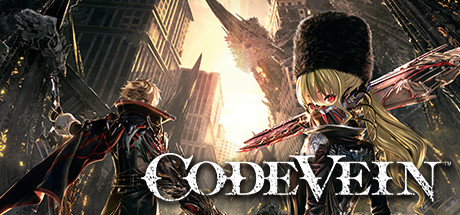
Anime-themed soulslike game: The game combines the soulslike genre with an anime aesthetic, offering a unique visual and gameplay experience. It features elements typical of Dark Souls but with a distinct anime style.
Companion system available: Players can have an NPC companion or AI partner that assists in combat and exploration. The companion can be toggled on or off and includes dialogue and backstory.
Blood Code class system: The game features a flexible class system called Blood Codes, which can be switched anytime. Players can master skills from one code and use them with others, allowing varied builds.
Character creator available: The game includes an extensive character creator with many customization options. Players can adjust appearance and import presets from the demo.
Co-op multiplayer support: The game supports online co-op for boss fights and exploration. Players can summon help or join others to play together.
Extremely long startup times: The game takes an excessively long time to launch, often between 5 to 20 minutes, particularly on newer hardware. Players report the game hanging at the 'Running' state or at the splash screen.
Crash on launch issues: Many players experience the game failing to open at all, requiring workarounds like disabling hyperthreading in BIOS or running as administrator. This is common on modern CPUs and after BIOS updates.
Elevator bug tied to FPS: Elevators in the game fail to move or glitch when the frame rate exceeds 60 FPS. This issue is consistently resolved by capping the frame rate to 60 or 30 FPS, especially in areas like the Crypt Spire.
Frequent crashes during gameplay: The game crashes often, particularly in specific areas like the Provisional Government Center, during boss fights, or near loading zones. Some crashes occur at the end of battles before the game saves.
High FPS causes game instability: Running the game at frame rates above 60 FPS leads to various bugs, including invisible bosses, input lag, geometry glitches, and AI issues. Capping FPS to 60 is a common fix.
Recommendations
Not worth full price: Many players feel the game is overpriced at its full retail price, and strongly recommend waiting for a sale. The value proposition is poor at launch pricing.
Buy on sale only: A large portion of reviews emphasize that the game is only worth purchasing during a sale. Full price is seen as excessive for the content offered.
Good for soulslike newcomers: The game is considered a gentle introduction to the soulslike genre, with lower difficulty than FromSoftware titles. Beginners and those intimidated by harder games are likely to enjoy it.
Recommended for soulslike fans: Players who already enjoy Dark Souls-like games or the Souls genre will find this title appealing. It is particularly suited for those who have exhausted other games in the genre.
DLC and deluxe low value: The DLC and deluxe editions are generally not recommended due to poor value for money. Some suggest buying them only on deep sale or avoiding them entirely.
Buying context
Community fair range: $10.00 - $25.00.
Game completion: 70.0h.
Story completion: 30.0h.
Code Vein presents significant early friction through an overwhelming tutorial, confusing labyrinthine maps, and repetitive elements, but often becomes more enjoyable after players adapt and reach later areas like the Cathedral end.
Friction: Overwhelming tutorial within first 5 minutes; Confusing and repetitive level layouts; Slow elevators and tedious backtracking; Unclear progression (easily miss path); Repetitive enemy designs and reskins.
Unlock drivers: Unlocking more blood codes and abilities; Learning map layout after full exploration; Adapting to combat system and builds; Companions becoming stronger (e.g., Io).
Player profiles
Newcomer Soulslike Explorer: Uses companion NPC, experiments with different blood codes and weapons, prioritizes fun over difficulty. Motivation: Accessible challenge and anime aesthetics. Stance: sale.
Veteran Souls Purist: Solo run, no companion, focuses on precise dodging and parrying, min-maxes builds. Motivation: Authentic souls challenge and polished gameplay. Stance: deep sale.
Completionist Grinder: Efficient route planning, farming medals and items, using guides for missable achievements. Motivation: 100% achievement completion and collection. Stance: deep sale.
Platform notes
Performance across hardware cohorts is mixed, with several cohorts experiencing notable issues such as CPU compatibility problems and frame rate-dependent bugs, while others report stable performance.
Windows <8GB VRAM / <16GB RAM: mixed. Players report stuttering, heat, and occasional crashes, but some find the game playable on low settings.
Windows 12-15GB VRAM: mixed. Performance is generally smooth, but significant compatibility issues with Intel 13th/14th gen CPUs and frame rate-locked elevators require workarounds.
Windows <8GB VRAM / 16-31GB RAM: mixed. While many report good optimization and high frame rates, some encounter startup delays on Intel CPUs and occasional fps drops.
Steam Deck: The game suffers severe compatibility issues on Steam Deck due to Denuvo DRM, leading to launch failures, long loading times, and frequent crashes. While some users report success after tinkering with Proton and settings, the majority experience a broken experience. Additional issues include small text and performance stuttering.
Linux and Proton: Linux/Proton compatibility is highly inconsistent. Denuvo anti-tamper blocks launch for many users, leading to outright failure. Some users achieve flawless performance, but the dominant signal is that the game is often unplayable on Linux without extensive workarounds. The native port does not exist, and reliability depends heavily on specific hardware and software configurations.
Extra review signals
Monetization: User feedback for Code Vein focuses on dissatisfaction with the quality and value of the paid DLC, while the base game is generally praised for being complete without microtransactions. Complaints about the base price are common but do not indicate predatory monetization. There is no evidence of pay-to-win, gacha, loot boxes, or currency obfuscation.
External guides: While map navigation issues dominate complaints, the strict scoring hierarchy identifies a significant need for external guides to understand combat mechanics and achieve specific quest outcomes. The game's failure to explain core systems and its intricate collectible-dependent endings compel players to rely heavily on wikis and walkthroughs, creating a moderate but impactful external data dependency.
Other review notes
Compared to Dark Souls: The game is heavily compared to Dark Souls and other FromSoftware titles in terms of gameplay, difficulty, atmosphere, and combat. Some reviewers see it as an inferior version or describe it as 'Anime Dark Souls'.
Sequel anticipation is high: Reviewers frequently mention an upcoming sequel, Code Vein 2, and express excitement or anticipation. Many players tried the game specifically because of the announced sequel.
Compared to God Eater: Reviewers note the same developer as the God Eater series and draw comparisons in story tone, setting, and gameplay style. The game is often described as a Soulslike with God Eater elements.
New Game Plus increases difficulty: NG+ mode offers enhanced difficulty with larger enemy numbers, encouraging replayability. Multiple playthroughs are required for all endings.
Good for Soulslike beginners: Several reviewers state that Code Vein was their first Soulslike game, indicating it is accessible for newcomers to the genre.