- Rich mythological setting
- Dual-mastery class system
- Aged well and still fun
- Multiplayer and co-op features
- Frequent crashes and instability
- Outdated graphics and feel
Emotions
Archetypes
Hardware
What players like:
Common complaints:
Gameplay feedback:
Performance notes:
Recommendations:
Other player notes:
Similar games
Blend with other games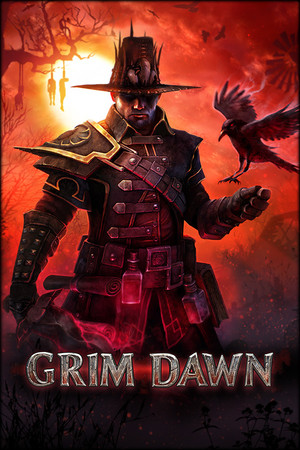





Review evidence
Why players say this
Review evidence
Why players say this
Steam review verdict
Its rich mythological setting, dual-mastery classes, multiplayer co-op and enduring fun are undermined by frequent crashes, instability and outdated graphics and feel.
What players like
Rich mythological setting: The game's world, inspired by Greek, Egyptian, and Eastern myths, is widely appealing. The expansive lore and variety of mythological elements are frequently highlighted.
Aged well and still fun: Players consistently say the game holds up despite its age, with enjoyable gameplay and retro charm. Many note that it remains very playable and fun today.
Highly fun and addictive: Feedback highlights the game as very fun, addictive, and charming. The gameplay loop and overall experience are frequently praised.
Engaging loot collection: Loot collection is satisfying and exciting, with plenty of items to find. The system offers a vast array of weapons, armor, and magical artifacts.
Good graphics for its time: Graphics are often described as stunning or top-notch relative to the game's age. Visuals are considered impressive for the era and even hold up today.
Common complaints
Frequent crashes and instability: Players report frequent crashes, including regular crashes to desktop and freezing, often every 15-30 minutes. Multiplayer sessions are especially prone to crashes and connection errors.
Outdated graphics and feel: The game looks and feels old, with dated graphics and gameplay that seem slow compared to modern titles. This lack of polish may not appeal to all players.
Generic and shallow story: The narrative is largely forgettable, serving mostly as a background rather than a deep or surprising story. It is considered generic and not special.
Repetitive and monotonous gameplay: Many find the gameplay dull and repetitive, with long stretches of running between enemy groups and a heavy, tedious feel. This makes the game feel drawn out and not always enjoyable.
Game is boring overall: A significant number of players describe the game as boring, especially for new players, and call it a boring grind. The gameplay is seen as unpleasant and lacking engagement.
Gameplay and performance
Dual-mastery class system: Players combine two masteries from a pool of ten to create unique classes, allowing for extensive build experimentation and replayability.
Multiplayer and co-op features: The game supports online and LAN multiplayer, including co-op with friends or matchmaking for up to 4-6 players. Many players highlight the functional multiplayer and co-op modes.
Diablo-like ARPG: Reviewers frequently describe the game as an old-school action RPG similar to Diablo, with hack-and-slash combat and loot-driven progression.
Multiple difficulty levels: The game offers three difficulty modes: Normal, Epic, and Legendary, each with different relics and monsters.
Mythological setting and boss fights: The action RPG is set in a mythological world and includes boss battles with mythical creatures that require strategy.
Multiplayer instability and crashes: Multiplayer mode suffers from crashes, lag, and connection errors, especially with more players or during specific encounters. Desynchronization and lobby crashes are also common.
Stuttering and micro-pauses: Players experience regular stutters, micro-pauses, and brief freezes that disrupt gameplay, often causing character teleportation or loss of control.
Performance issues on high-end hardware: Even players with powerful systems experience low FPS, lag, and stuttering, indicating poor optimization. Some report sub-30 FPS despite having high-end components.
Freezes and hangs: The game frequently freezes, sometimes requiring a restart or even a hard reset of the PC. Freezes can last from seconds to extended periods.
FPS drops in specific areas: Frame rate drops occur in certain locations such as dungeons, caves, Atlantis, and during large battles or spell effects.
Recommendations
Recommended for ARPG fans: Multiple clusters strongly recommend the game for fans of classic action RPGs and the genre overall. It is described as a must-play for ARPG enthusiasts and a strong contender in the genre.
Worth buying on sale: Many reviewers advise purchasing the game during a discount, with some specifying a steep sale of 50% or more. It is considered a good deal when discounted.
Appeals to mythology enthusiasts: Reviewers frequently recommend the game to fans of ancient mythology, particularly Greek and Egyptian. The mythological setting is a key draw for many players.
Generic recommendation: Several clusters contain simple, non-specific recommendations without detailed reasons. These are positive but lack substantive feedback.
Must include all expansions: Some reviewers strongly recommend buying the game with all expansions, as the base game alone feels incomplete. The Immortal Throne and Ragnarok expansions are specifically praised.
Buying context
Community fair range: $5.00 - $20.00.
Game completion: 100.0h.
Story completion: 36.0h.
Session length: 4.0h.
Titan Quest Anniversary Edition often feels slow and tedious early on, but evidence links enjoyment to advancing levels, weapons, and skills, with one report timing the turn at about five hours. Some players instead find it repetitive and never click, or enjoy it early and then lose motivation.
Reported time to anchor: 5h.
Friction: Slow gameplay; Tedious melee combat; Long skill-point grind; Boring and repetitive first act; Low-value loot drops; Minimal guidance and objective markers.
Player profiles
Nostalgic Returning Veteran: Replaying the campaign solo, usually on the Anniversary Edition, at a relaxed pace for the sake of nostalgia rather than optimization. Motivation: Reliving childhood memories and revisiting a beloved classic from years past, often buying the remaster to recapture the original experience. Stance: buy.
Build-Theorycrafting Loot Grinder: Grinding for gear and relics, testing mastery permutations, and optimizing skills and stats across hundreds of hours and multiple characters. Motivation: Experimenting with dual-class combinations and chasing rare loot to perfect and min-max a build over long grinds. Stance: buy.
Casual Co-op Social Player: Playing co-op or solo in short bursts, chatting while clicking through enemies, and treating the game as a chill pastime. Motivation: Kicking back with friends for relaxed, short sessions and social co-op fun rather than deep progression. Stance: buy.
Platform notes
Across the returned cohorts, higher-VRAM Windows systems perform well, while lower-VRAM Windows systems are dominated by crashes, missing text, and instability. The 8-11GB VRAM cohort is mixed, with some reports of improved stability alongside recurring crash complaints.
Windows <8GB VRAM: negative. Frequent crashes and missing text dominate, though the 4GB patch reportedly reduces CTDs for some users.
Windows 8-11GB VRAM: mixed. Some users report improved stability and bug fixes, but others still face frequent crashes, missing text, and connection failures.
Windows 12-15GB VRAM: negative. Crashes at startup or after roughly an hour, plus UI scaling problems at 2K or 4K, are the main reported issues.
Steam Deck: Steam Deck feedback is mixed: some users report a smooth out-of-box experience with low power draw, but the audit found recurring high-severity blockers. Frequent crashes and freezes, unreadable UI/text scaling, partial controller support, Linux/Proton launch-option tinkering, and save reliability problems place the experience in the Broken tier despite positive reports.
Linux and Proton: Linux and Proton compatibility is mostly positive: several reviewers report that the game works out of the box, with default Proton 9.0-4, and on SteamOS. Some users need launch options, renderer selection, or CPU affinity tweaks, and there is an isolated but severe NVIDIA laptop report of failed launch and sub-10 FPS under Proton. Minor Linux-specific stability quirks such as desktop-switch lockups are also mentioned. Overall, the game is generally playable on Linux with minor-to-moderate configuration work, not broadly broken.
Extra review signals
Monetization: The reviews describe a one-time purchase ARPG with optional paid expansions, no cash shop, no pay-to-win mechanics, and no real-money gacha. Negative monetization-related comments focus on DLC quality, DLC-gated achievements, and in-game vendor gold pricing rather than microtransactions. The evidence supports a fair monetization score.
Mod reliance: Feedback shows recurring crash and text-disappearance reports mitigated by the 4GB patch, plus references to fan bug-fix patches. There is no widespread claim that the game fails to start without a mod, and some users treat mods as optional convenience or difficulty choices.
External guides: The reviews show a clear instructional-data dependency: players must consult wikis and guides to understand stats and effects, identify quests, handle boss tactics, plan builds, and overcome a steep onboarding curve, with additional language and guide-reliability gaps. Technical problems with Alt-Tab or window switching, input, and audio are also frequent, and some wiki use for lore is positive. Under the strict priority rules, the presence of Tier 3 complaints sets the score at 50.
Other review notes
Expansion and DLC availability: The game has multiple expansions and DLC available for purchase, often sold separately or in bundles.
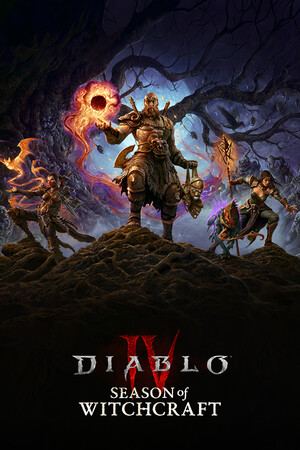
Frequent Diablo comparisons: Many reviewers compare the game to Diablo, often favorably, with some calling it a classic of the genre alongside Diablo 2.
Compared to Grim Dawn: Reviewers frequently compare the game to Grim Dawn, often noting that Grim Dawn improves upon the formula while this game remains a solid option.
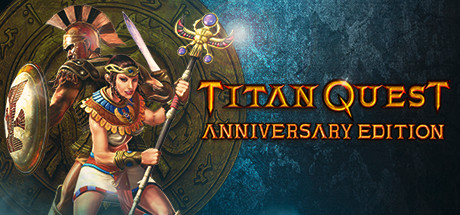
Anniversary Edition includes Immortal Throne: The Anniversary Edition bundles the base game with the Immortal Throne expansion, while other expansions may be sold separately.
Technical improvements in Anniversary Edition: The Anniversary Edition includes graphical enhancements, balance changes, bug fixes, and compatibility improvements for modern systems.