- Innovative and deep skill system
- Beautiful and polished graphics
- Solid ARPG experience overall
- Boring and unrewarding endgame
- Mediocre and uninteresting story
- Frequent crashes and technical issues
Emotions
Archetypes
Hardware
What players like:
Common complaints:
Gameplay feedback:
Performance notes:
Recommendations:
Other player notes:
Similar games
Blend with other games



Review evidence
Why players say this
Review evidence
Why players say this
Steam review verdict
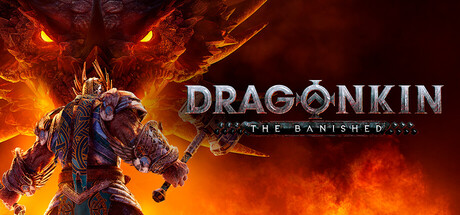
An ARPG with an innovative skill system and beautiful graphics, yet a mediocre story, unrewarding endgame, and frequent crashes undermine an otherwise solid experience.
What players like
Skill system is innovative and deep: Players consistently praise the grid-based skill system for its depth, customization, and fresh approach to RPG character development. It is considered a core mechanic that enables unique builds and strategic thinking.
Graphics are beautiful and polished: The game's visuals are consistently praised for their beauty, with gorgeous scenery and well-crafted environments. The graphics are also noted as well-optimized and visually impressive.
Solid ARPG experience overall: Reviewers describe the game as a well-executed hack-and-slash ARPG that satisfies genre expectations. It is often ranked among the top ARPGs played recently, with a rewarding and enjoyable experience.
Combat is fun and satisfying: Combat is highlighted as punchy, visceral, and fast-paced, providing a rewarding and dynamic experience. The combat system is considered well-fleshed-out and responsive.
City building adds progression: The city-building meta-progression system is praised for adding a refreshing layer of progression between runs. It is considered an engaging and fun mechanic that enhances the overall experience.
Common complaints
Endgame is boring and unrewarding: Players consistently report that the endgame becomes tedious, grindy, and lacks meaningful rewards or engaging content after the campaign. The progression falls off sharply, making long-term play feel pointless.
Story is mediocre and uninteresting: The narrative is widely criticized as flat, dull, and poorly narrated, with many players finding it forgettable or irrelevant. The story fails to engage players or add depth to the experience.
Gameplay is boring and repetitive: Many players find the core gameplay loop dull, repetitive, and lacking variety, leading to boredom within hours. The game becomes tedious quickly, even after completing all acts.
Skill system is confusing: The hexagon-based skill system is frequently described as confusing, overwhelming, and poorly explained, causing frustration for players. The Ancestral Grid and hex grid mechanics are particularly hard to understand without clear in-game guidance.
Game has technical issues: Players report numerous bugs, crashes, and performance problems, including frequent crashes and poor optimization. These technical issues significantly detract from the overall experience.
Gameplay and performance
City building progression system: The game features a city leveling system that requires exploring maps and provides XP and upgrade points. It unlocks new buildings, abilities, and quality-of-life systems, serving as a sub-progression shared between characters.
Ancestral Grid skill system: The game uses a hexagonal grid-based skill system called the Ancestral Grid, where players arrange skill fragments to create synergies. This system is central to build customization and character progression.
ARPG genre with Diablo influence: The game is an isometric hack-and-slash ARPG, heavily inspired by Diablo and similar titles. It combines action combat with deep RPG mechanics and build diversity.
Dragon companion system: The game includes a dragonet or wyrmling companion that can be upgraded and customized. It has its own skill tree and equipment, and synergizes with the player's skills through a symbiosis mechanic.
Campaign and endgame content: The game has a full campaign and a robust endgame, including activities that redo the campaign with increased difficulty. Endgame focuses on farming and optimizing builds.
Game runs smoothly: Many players report excellent performance, with smooth gameplay, no crashes, and stable frame rates on high settings. This positive feedback is widespread and detailed.
Frequent crashes reported: A significant number of players experience constant crashes, often at random intervals, with some reporting multiple crashes within a short playtime. This is a major stability issue.
Poor optimization complaints: Several players criticize the game's optimization, describing it as mediocre or horrifying, with issues like low FPS and performance not meeting expectations. This is a common negative theme.
High-end performance good: On powerful hardware, the game runs well, achieving high FPS at ultrawide resolutions with upscaling. This indicates good scalability for high-end PCs.
Stuttering problems: Stuttering is reported, especially in online mode or when opening menus, which disrupts gameplay. This is a performance concern.
Recommendations
Recommended for ARPG fans: Many reviewers recommend the game to anyone who enjoys the ARPG genre, including newcomers and casual players. It is seen as a solid choice for genre enthusiasts.
Good for Diablo-likes: The game is frequently recommended to fans of Diablo, Path of Exile, Grim Dawn, and similar isometric ARPGs. Players who enjoyed these titles are likely to enjoy this one.
Great value for money: Reviewers highlight the game's good price-to-performance ratio, stating it is worth the purchase price. Some suggest it is especially good value when on sale.
Casual and relaxed experience: The game is recommended for players seeking a lighter, more relaxed hack-and-slash experience without the stress of seasonal content. It is seen as a good side game between seasons of other titles.
Not worth the money: A few reviewers advise against purchasing the game, stating it is not worth the price. Some also warn about crashing issues.
Buying context
Community fair range: $15.00 - $25.00.
Game completion: 15.0h.
Story completion: 11.0h.
Session length: 1.0h.
Endgame: 50.0h.
Dragonkin: The Banished starts slow and basic, but becomes engaging once players unlock skills for the ancestral grid and especially when they reach endgame, where difficulty and content balance improve. However, some players find it fun from the start or lose interest early due to repetition.
Reported time to anchor: 15h.
Player profiles
Co-op Socializer: Co-op focused, often using local couch co-op or online multiplayer, coordinating builds and exploring together. Motivation: Playing together with friends or a significant other, sharing the adventure and city-building progress. Stance: buy.
Build Theorycrafter: Spends significant time in the skill grid, planning synergies, and testing different loadouts to achieve powerful or unique combinations. Motivation: Exploring the creative skill system and optimizing builds through theorycrafting and experimentation. Stance: buy.
Disappointed Veteran: Plays solo or co-op but is critical of map design, pacing, and endgame depth; likely abandons the game due to frustration. Motivation: Seeking a polished, engaging ARPG experience comparable to top-tier titles, but finding the execution lacking. Stance: no buy.
Platform notes
Performance varies significantly across hardware tiers: lower VRAM and high-end systems face more issues, while mid-range and Linux/Proton users report mostly positive experiences despite some crashes.
Windows <8GB VRAM: mixed. Users report stutter, FPS drops, and optimization problems, with some severe issues like black screens and 1fps, though many still recommend the game.
Windows 12-15GB VRAM / 16-31GB RAM: positive. Most users report smooth performance with occasional FPS drops and memory leak concerns, but overall the game runs well on this hardware.
Windows 8-11GB VRAM: mixed. Half of users report good performance with minor stutter, while others experience crashes and poor optimization.
Steam Deck: The game suffers from frequent crashes, poor optimization, and requires significant tinkering on Steam Deck. Controller support is also lacking. While some users can get it running with FSR and low settings, the overall experience is far from seamless.
Linux and Proton: The game exhibits mixed Linux/Proton compatibility. While some users report it runs perfectly, others experience persistent crashes during area transitions that resist standard fixes like PSO cache clearing and DX11 launch options. A native Vulkan execution path is available as a workaround, but the overall experience is heavily dependent on specific launch options and Proton versions, indicating a tinkering-required scenario.
Extra review signals
Monetization: The user reviews overwhelmingly indicate that the game has no microtransactions, no pay-to-win, no battle pass, and no cash shop. The only negative comment is speculative and not substantiated by any concrete evidence. The game appears to be a fair one-time purchase with optional DLC, and the community praises the lack of predatory monetization.
External guides: The primary user feedback indicates a significant lack of in-game explanations, forcing players to rely on external guides and wikis to understand game mechanics, stats, and mods. This external data dependency is a common complaint, though some players appreciate the game's guidance in comparison to other titles.
Other review notes
Compared to major ARPGs: The game is frequently compared to other ARPGs like Path of Exile, Last Epoch, Grim Dawn, and Titan Quest, with many saying it blends the best elements of these titles. It is often seen as a worthy competitor in the genre.
Frequently compared to Diablo: Many reviewers compare the game to the Diablo series, often favorably, noting it captures the classic Diablo feel while offering its own identity. Some say it surpasses Diablo 4 in gameplay but lacks Blizzard's visual polish and story presentation.
Favorable comparisons to genre giants: The game is often compared favorably to Diablo, Path of Exile, and Grim Dawn, with some saying it 'wipes the floor' with them. It is seen as a strong contender that holds its own against established titles.
No live-service elements: The game is appreciated for lacking seasons, battle passes, and FOMO-driven content, which is a refreshing change from many modern ARPGs. This design choice is seen as a positive, allowing players to play at their own pace without pressure.
Build depth praised: Character building and class depth are highlighted as strong points, with comparisons to Grim Dawn and Path of Exile. Reviewers note the complexity and variety in creating builds, which adds to the game's replayability.