- Huge build variety available
- Top-tier ARPG experience
- Exceptional replayability value
- Dated graphics and presentation
- Repetitive and monotonous gameplay
- Frequent bugs and crashes
Emotions
Archetypes
Hardware
What players like:
Common complaints:
Gameplay feedback:
Performance notes:
Recommendations:
Other player notes:
Similar games
Blend with other games




Review evidence
Why players say this
Review evidence
Why players say this
Steam review verdict
Huge build variety and top-tier ARPG action with exceptional replayability, though dated graphics, repetitive gameplay, and frequent bugs and crashes hold it back.
What players like
Huge build variety available: Players consistently praise the massive number of builds, classes, and combinations, noting that almost any build can be made viable. This variety is a core strength of the game.
Top-tier ARPG experience: Many reviewers rank the game among the best ARPGs ever made, often comparing it favorably to Diablo 2 and Titan Quest. It is described as a gold standard for the genre.
Exceptional replayability value: The game offers near-infinite replayability through diverse builds, classes, and content. Players note the staggering amount of hours they can invest.
Satisfying combat system: Combat is praised for being fluid, impactful, and rewarding, with smooth animations and a satisfying feel. The system is simple yet deeply engaging.
Rewarding exploration mechanics: Exploration is consistently rewarded with secrets, hidden areas, bosses, and valuable loot. The hand-crafted map encourages thorough exploration.
Common complaints
Dated graphics and presentation: Players consistently note that the game's graphics, animations, and engine feel outdated, with a muddy palette and archaic interface. This is a widespread concern affecting overall visual appeal.
Repetitive and monotonous gameplay: Combat, grinding, and missions are frequently described as dull and repetitive, leading to boredom over time. The lack of variety in activities diminishes long-term engagement.
DLC balance and nerfs: The DLC and patches are criticized for breaking mechanics, nerfing builds quickly, and having horrible balance. Players feel the developer prioritizes nerfing over fixing bugs or buffing weak options.
Frequent bugs and crashes: The game suffers from many bugs, crashes, and freezes, including technical issues with loading and desync. These stability problems disrupt gameplay and can lead to lost progress.
Unbalanced difficulty: The game is unbalanced, with weird balance decisions and a particularly problematic Veteran difficulty. Boss fights can be annoying, and difficulty spikes occur around level 30-35.
Gameplay and performance
Dual-class system praised: The game features a dual-class system where players combine two classes or masteries, offering numerous combinations and hybrid builds. This is highlighted as a key feature that enhances replayability and character diversity.
Extensive build customization options: Players praise the game for its deep character building mechanics, including skill trees, mastery schools, and equipment customization. This allows for extensive theorycrafting and experimentation with various builds.
Devotion tree adds depth: The devotion tree, also known as the constellation system, functions as a secondary talent tree, providing additional stats and abilities. This complements the main skill trees and allows for further character specialization.
Multiple difficulty modes available: The game offers several difficulty levels, including Normal, Veteran, Elite, Ultimate, and Ascendant, catering to different player skill levels. This provides a scalable challenge and extends the game's longevity.
ARPG genre with deep systems: The game is recognized as an ARPG with a plethora of choices, including class variety, build systems, and exploration. This genre classification is reinforced by its complex mechanics and customization options.
Smooth performance on modern systems: Positive feedback highlights stable FPS, smooth frametimes, and excellent performance on various platforms, including Windows 11, Linux Mint, and Steam Deck. The game is well optimized for many users.
Runs well on low-spec hardware: Several players confirm the game runs smoothly on older or low-end computers, including basic office laptops and 10-year-old systems. This suggests the game is not demanding on resources.
Freezes when changing settings: Adjusting resolution or graphics settings, especially in fullscreen, can cause the game to freeze or show a black screen. This includes alt-tabbing and applying configuration changes.
Stuttering and FPS drops: Players experience stuttering, FPS drops, and poor optimization, sometimes even on high-end hardware. The engine appears to cause performance inconsistencies during gameplay.
Crashes during specific content: Certain in-game actions or areas trigger crashes, such as using specific builds or during multiplayer endgame content. These are less frequent but still notable.
Recommendations
Buy DLCs for full experience: Many reviewers advise purchasing the DLCs, especially Ashes of Malmouth and Forgotten Gods, to get the complete game. Some suggest waiting for a sale to buy the base game and DLCs together.
Great for ARPG newcomers: The game is highly recommended for both new and veteran ARPG players, serving as a perfect introduction to the genre. Reviewers note it is accessible yet deep enough for seasoned players.
Recommended for Diablo fans: Many reviewers recommend this game to fans of Diablo, Path of Exile, and Titan Quest, citing its classic ARPG gameplay. It is especially praised by those disappointed with recent entries like Diablo 4 or Path of Exile 2.
Best current ARPG: Several reviewers call this the best ARPG available today, offering fantastic value and a demanding, satisfying experience. It is strongly recommended to any ARPG player.
Buy on sale: A common recommendation is to purchase the game during a sale, especially with DLCs, to get the best value. Some reviewers note the game is worth full price but better on discount.
Buying context
Community fair range: $10.00 - $15.00.
Game completion: 50.0h.
Story completion: 45.0h.
Session length: 3.0h.
Endgame: 500.0h.
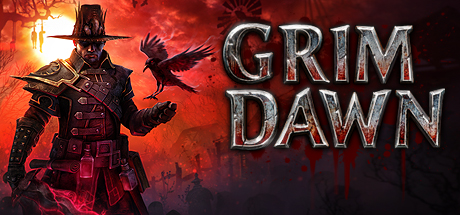
Grim Dawn has a slow, rough start with poor tutorial and quest guidance, but becomes highly engaging once players dive into class combos, devotion, and better gear, with many reporting the game truly begins at ultimate difficulty. A minority find it fun immediately or never click.
Friction: poor tutorial and quest guidance; slow start; rough early game; tedious devotion shrine hunting; lack of checkpoints (Riftgates); UI text small on 4k.
Player profiles
Diablo 2 Nostalgic: Plays solo or co-op, explores thoroughly, enjoys story and atmosphere, not rushing to endgame. Motivation: Nostalgia for classic ARPG gameplay and offline single-player experience. Stance: buy.
Build Theorycrafter: Spends time planning builds, uses tools like grimtools, experiments with class combos and gear. Motivation: Creating and testing unique character builds without meta constraints. Stance: buy.
Hardcore Challenger: Plays on hardcore mode, carefully builds defenses, learns boss mechanics, accepts deaths. Motivation: Seeking the thrill of permadeath and mastering difficult content. Stance: buy.
Platform notes
Performance varies by hardware tier: low-VRAM and high-end systems run well, while mid-range VRAM systems show mixed results and one high-RAM mid-VRAM cohort struggles with stability.
Windows <8GB VRAM / <16GB RAM: positive. Most users report smooth performance on low-end systems, with only one complaint about poor performance.
Windows 8-11GB VRAM: mixed. Reports are split; some praise stability while others experience crashes and stutter after recent patches.
Windows 12-15GB VRAM / 16-31GB RAM: mixed. Mixed feedback with several users noting stuttering and crashes, though many still recommend the game.
Steam Deck: Grim Dawn on Steam Deck presents significant friction due to unreadable UI scaling, frequent crashes and black screens, poor controller support, and Proton compatibility issues. While some users report smooth performance, the prevalence of these technical barriers makes the experience far from seamless.
Linux and Proton: Grim Dawn shows strong Linux/Proton compatibility. The majority of users report flawless performance out of the box, and the developer added a dedicated SteamOS/Linux launch option that resolved most issues. A minority of users encounter launch or loading problems that require switching Proton versions or using community fixes like GE Proton, but these are not widespread. Overall, the game is highly playable on Linux with only minor tweaks needed for some.
Extra review signals
Monetization: The game is a one-time purchase with optional DLC expansions. Reviews consistently confirm the absence of microtransactions, pay-to-win mechanics, and cash-grab tactics. Some complaints about DLC pricing and story continuation exist, but they relate to traditional expansion content and do not constitute predatory monetization.
External guides: The user feedback consistently indicates a heavy reliance on external resources such as wikis, spreadsheets, and guides to play effectively. The most critical dependency is on farming data (drop rates, loot tables, efficient locations), which directly impacts the core grinding loop. Additionally, complex build systems and vague quest navigation further compound the need for third-party information, making the game nearly unplayable without constant external reference.
Other review notes
Comparable to Diablo and PoE: Many reviews compare Grim Dawn to Diablo and Path of Exile, often stating it is a better alternative or more faithful to the classic Diablo experience. It is frequently praised as a spiritual successor to Diablo II.
Successor to Titan Quest: Grim Dawn is widely recognized as a spiritual successor to Titan Quest, sharing similar mechanics and pacing while offering modern quality-of-life improvements. Many reviewers note it is made by the same developers and improves upon Titan Quest's formula.
No microtransactions or live service: Reviewers appreciate that Grim Dawn has no microtransactions, cash shop, loot boxes, or pay-to-win elements. The game avoids live service models, offering a complete experience without seasonal content or battle passes.
Long-term support and updates: Despite being over a decade old, Grim Dawn continues to receive updates and expansions, which reviewers highlight as a major positive. The game has been supported for 10+ years, with new content still being added.
Better than Diablo 4: Several reviews compare Grim Dawn favorably to Diablo 4, stating it is more fun, heartier, and cheaper. Reviewers often recommend Grim Dawn over Diablo 4, citing better gameplay and value.