- Highly praised class variety and customization
- Addictive and engaging gameplay loop
- Fair and non-intrusive monetization system
- Persistent bugs and technical issues
- Poor new player experience and onboarding
- Unbalanced and restrictive game systems
Emotions
What players like:
Common complaints:
Gameplay feedback:
Performance notes:
Recommendations:
Other player notes:
Similar games
Blend with other games





Review evidence
Why players say this
Review evidence
Why players say this
What players like
Highly praised class variety: Players consistently highlight the game's 20+ unique classes, each with distinct playstyles, skills, and builds. This variety enhances replayability and caters to different preferences, from casual to min-maxing players.
Addictive and engaging gameplay loop: The game’s fast-paced combat, loot-driven progression, and frequent updates create a highly addictive experience. Players describe it as satisfying for both short and long sessions, with mechanics borrowed from classics like Diablo 2.
Fair and non-intrusive monetization: Microtransactions are cosmetic or optional (e.g., class DLCs), with no pay-to-win mechanics. Players appreciate frequent sales, affordable pricing, and the ability to enjoy the full game without spending extra money.
Accessible and low-spec friendly: The game runs smoothly on low-end hardware, supports Steam Deck, and features intuitive controls. Its pixel-art style is praised for clarity and nostalgia, making it accessible to a broad audience.
Enjoyable multiplayer experience: Co-op supports up to 4 players, with shared loot, trading, and chaotic but fun group dynamics. The multiplayer mode is frequently cited as a major strength, especially when playing with friends.
Common complaints
Bugs and technical issues persist: Long-standing bugs, crashes, and optimization problems (e.g., FPS drops, item loss) remain unfixed despite years of development. Some issues are game-breaking or require workarounds.
Unethical developer behavior: Developers are accused of being dismissive, toxic, and unprofessional, including arbitrary bans, lack of transparency, and poor community communication. Moderators are reported to abuse power and show favoritism.
Poor localization and translation: Non-English translations (e.g., Spanish, Chinese, Japanese) are incomplete, inaccurate, or poorly implemented, detracting from the experience for international players.
Poor new player experience: Beginners struggle with steep learning curves, lack of tutorials, confusing progression, and restrictive systems (e.g., limited inventory, paywalls), making onboarding difficult.
Unbalanced and restrictive systems: Classes, builds, and loot systems are poorly balanced, with some being underpowered for years. Restrictive inventory, auction house limits, and paywalls exacerbate frustration.
Gameplay and performance
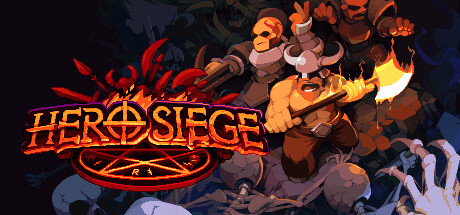
Deep ARPG genre influence: The game is heavily compared to Diablo, Path of Exile, and Grim Dawn, featuring hack-and-slash mechanics, loot-driven progression, and pixel-art graphics. It blends ARPG, roguelike, and bullet-hell elements, with frequent updates to refine its identity.
Loot-driven progression system: The game features a complex loot system with item tiers (white to Angelic), runewords, uniques, and seasonal mechanics. However, some players criticize itemization issues or grind-heavy progression.
Seasonal and live-service model: Seasons introduce new content, leaderboards, and meta changes every 3–4 months, with updates adding classes, mechanics, and QOL improvements. Hardcore and non-seasonal modes cater to different playstyles.
Multiplayer and co-op support: The game offers online/offline modes, co-op (up to 4 players), and trading via auction houses or shared stashes. Local play and group self-found modes enhance social gameplay.
Skill tree and crafting depth: Skill trees feature synergies, sub-talents, and modifiers that alter skill functions. Crafting systems (e.g., runewords, forging) and relics add layers of customization.
Low-end hardware compatibility: The game runs smoothly on low-end systems and is optimized for accessibility, including Steam Deck compatibility. However, this is occasionally undermined by optimization issues or crashes.
Improved recent server stability: Season 8 has seen more stable servers, indicating potential progress in addressing long-standing connectivity issues. However, this is not universally experienced.
Recommendations
Highly recommended for ARPG fans: The game is frequently recommended for fans of ARPGs, Diablo, Path of Exile, and similar titles due to its engaging gameplay, loot mechanics, and replayability. Many reviews highlight its appeal to genre enthusiasts despite flaws.
Best purchased on sale: Numerous reviews suggest buying the game or its DLCs during promotions to maximize value. The game's frequent sales and affordability are cited as key reasons to wait for discounts.
Mixed recommendations due to flaws: While many reviews recommend the game, others advise against purchasing due to technical issues, monetization concerns, or unpolished mechanics. The feedback is polarized based on tolerance for these flaws.
Value for money during sales: The game is praised for its affordability and content volume, especially when purchased at a discounted price. Reviews emphasize its cost-effectiveness for the hours of entertainment provided.
Monetization concerns deter purchases: Some reviews criticize the game's monetization model, including microtransactions for classes and stash tabs, which discourage players from supporting the game financially.
Platform notes
Steam Deck: The Steam Deck experience for *Hero Siege* is plagued by critical technical barriers that severely impact usability. The most frequent and impactful issues include broken controller support, anti-cheat restrictions that prevent online play, frequent crashes, unreadable UI text, and forced online requirements. These problems create a high-friction experience that requires significant tinkering or workarounds, often rendering the game unplayable without drastic measures like installing Windows on the Steam Deck.
Extra review signals
Monetization: Hero Siege has devolved into a predatory monetization scheme, with excessive and overpriced DLC, pay-to-win mechanics, and essential quality-of-life features locked behind paywalls. The game aggressively pushes real-money purchases through deceptive UI design and has even removed or re-locked previously owned content, alienating its player base. The monetization strategy is not only greedy but also exploitative, prioritizing short-term profits over player trust and long-term engagement.
External guides: The user feedback for *Hero Siege* reveals significant frustrations with external data dependencies, particularly around instructional and economic data. The most critical issues include an outdated and inaccessible wiki, which forces players to rely on external sources to learn mechanics and build strategies (TIER 3). Additionally, users express frustration over the lack of transparency in drop rates and farming efficiency (TIER 1), as well as challenges in managing inventory and crafting materials (TIER 2). Technical issues such as server instability and crashes further degrade the experience (TIER 4). The game's potential is hindered by these barriers, which create a steep learning curve and reduce overall accessibility.
Other review notes
Political and Personal Anecdotes in Reviews: Reviews occasionally include personal anecdotes, emotional language, and political/social commentary, which dilute actionable feedback. These are flagged as low-importance due to lack of gameplay relevance.
Affordable Price and Nostalgia: The game is praised for its low price (£6.69) and nostalgic appeal, drawing comparisons to older titles like 'Graal Online.' Some players view it as a bargain despite its flaws.
Movement and Controls Need Improvement: Players request enhancements to WASD movement, including better jumping mechanics and spell targeting. These issues impact gameplay fluidity and accessibility.
Cross-Platform Support Praised: The game's cross-platform compatibility (mobile, PS4, Nintendo Switch) is highlighted as a positive feature, enabling broader player access and community engagement.