- Exceptional combat system with deep mechanics
- Vast open-world with abundant content
- Engaging storytelling with humor and lore
- Repetitive and generic quest design
- Frequent crashes and technical instability
- Outdated graphics and visual bugs
Emotions
What players like:
Common complaints:
Gameplay feedback:
Performance notes:
Recommendations:
Other player notes:
Similar games
Blend with other games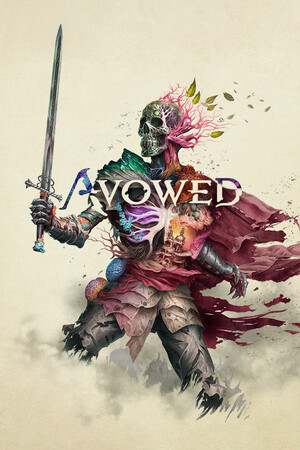





Review evidence
Why players say this
Review evidence
Why players say this
What players like
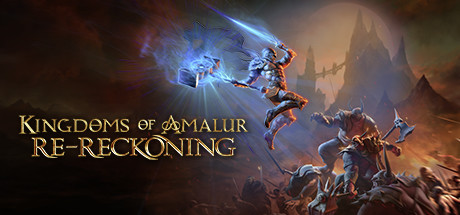
Exceptional combat system with depth: The game features a highly praised combat system that is fast-paced, fluid, and responsive. It offers a wide variety of weapons, spells, and combat styles, allowing for deep customization and tactical flexibility. Players highlight the satisfying feedback, combos, and balance between melee, magic, and ranged options.
Vast open-world with abundant content: The game offers a massive open world filled with side quests, secrets, and collectibles. Players praise the variety and quality of side quests, which encourage exploration and replayability. The world is designed to keep players engaged for dozens of hours with diverse activities.
Rich and immersive world lore: The game is lauded for its deep and engaging lore, world-building, and storytelling. The main storyline and side quests are well-written, with meaningful narratives and a richly detailed world. Players appreciate the immersive atmosphere and the abundance of lore-driven content.
Overall enjoyable and polished experience: Despite minor shortcomings, the game is widely regarded as a polished and enjoyable experience. Players highlight its replayability, engaging gameplay, and value for money, making it a recommended title for both casual and dedicated RPG fans.
Engaging and humorous storytelling: The game’s narrative is noted for its humor, charm, and engaging characters. Dialogue and quests often include witty writing and moral dilemmas, making even fetch quests enjoyable. The storytelling is a key factor in the game’s replayability and appeal.
Common complaints
Repetitive and generic quest design: The majority of quests are criticized for being repetitive, uninspired, and mechanically boring, often involving fetch or kill tasks. Players note that side quests lack depth, emotional engagement, and meaningful rewards, leading to a forgettable experience. The structure forces faction quests for leveling, disrupting main story progression and reducing replay value.
Frequent crashes and technical instability: The game suffers from frequent crashes, particularly during save reloads, DLC regions, or after extended play sessions. Save corruption, soft-locks, and quest-breaking bugs are common, with some issues preventing progression entirely. The instability is exacerbated by unreliable auto-saves and unpatched bugs persisting across versions.
Outdated and underwhelming graphics: The game’s visuals are described as dated, even for a remaster, with minimal upgrades to textures, models, and interface. Players highlight that the graphics fail to meet modern standards, feeling bland or clunky, and that the remaster did not address core visual shortcomings. Minor visual bugs are also noted but are secondary to the overall dated presentation.
Excessive length and filler content: The game is criticized for being overly long, with 5 hours of content stretched to 100+ hours through repetitive side quests and backtracking. Players describe the experience as a time sink with little reward, leading to lassitude and frustration. The low maximum character level (40) further exacerbates the grind.
Repetitive and monotonous gameplay: The game’s formula becomes repetitive quickly, with players citing monotonous exploration, slow movement speed, and a lack of variety in objectives. The map and quests follow a predictable pattern, leading to burnout, especially for completionists. The repetitive nature extends to combat, music, and world design, reducing long-term engagement.
Gameplay and performance
Diverse combat systems and mechanics: The game features a wide range of combat styles, including real-time action, turn-based elements, hack-and-slash, dodging, parrying, and hybrid mechanics. Players can engage in fast-paced or methodical combat with varied weapons, magic, and abilities, though some describe it as button-mashing or repetitive.
Action RPG with open-world design: The game is categorized as an action RPG with open-world exploration, blending ARPG mechanics with hack-and-slash combat. It includes MMO-like elements, medieval fantasy themes, and a mix of linear and non-linear storytelling across large maps with faction quests.
Deep character progression and customization: Character progression is classless, allowing for hybrid builds, flexible skill trees, and gear-based advancement. Players can experiment with three main archetypes (mage, warrior, ranger) and mix playstyles, with respec options and unique mechanics like the Fate system.
Comprehensive crafting and loot systems: Crafting includes blacksmithing, alchemy, enchantment, and gear modification, with systems resembling Skyrim. The loot system features inventory management, rare drops, dismantling, and set quests, alongside a salvaging mechanic for gear progression.
Lore-heavy worldbuilding and storytelling: The game emphasizes lore through dialogue, books, and deep backstory, creating a narrative-driven experience. Worldbuilding is immersive, with region-specific atmospheres and faction storylines contributing to the open-world design.
Performance instability and frame drops: Players report inconsistent performance, including frame rate drops below 60 FPS, lag spikes, and stuttering, even on capable hardware. Performance issues are particularly noticeable during area loading and in specific in-game regions, affecting overall smoothness.
Game-breaking bugs and soft-locks: Critical bugs, including save corruption, character freezing, and screen freezes, disrupt gameplay and may lock players out of quests. These issues often require reloading saves or rebooting the game, leading to lost progress and frustration.
Hardware compatibility issues: The game exhibits inconsistent performance across different hardware configurations, with crashes and performance drops reported on both high-end and older systems. Specific issues arise on platforms like the Steam Deck, where crashes occur despite otherwise smooth performance.
Optimized performance on modest hardware: Despite widespread performance issues, some players report smooth gameplay on modest hardware, including mid-range GPUs and processors. The game is not overly demanding, running well on configurations like an i7 processor with 32GB RAM and a 1660ti GPU.
Remaster introduces new issues: While the remaster improves performance in some areas, it also introduces new bugs and crashes. Many original bugs remain unaddressed, and no significant patches or fixes have been implemented in the re-release.
Recommendations
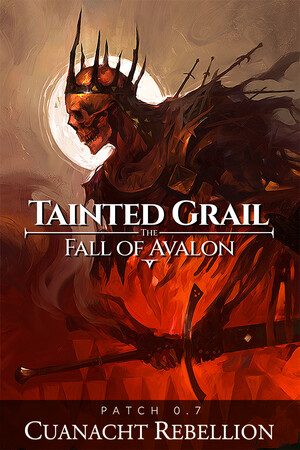
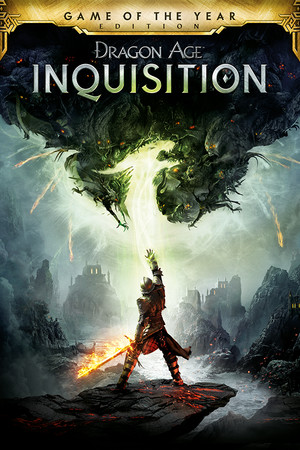
Ideal for classic RPG enthusiasts: The game is frequently recommended for fans of classic RPGs, open-world exploration, and deep storytelling. Comparisons to franchises like *The Elder Scrolls*, *Dragon Age*, and *Fable* highlight its appeal to players seeking a traditional RPG experience with modern refinements.
Best purchased during sales: Players consistently advise buying the game on sale due to its value proposition at lower prices. Nostalgic appeal and post-launch improvements (e.g., bug fixes) further justify this recommendation for budget-conscious gamers.
Appeals to lore-focused players: The game’s world-building, storytelling, and lore are praised as standout features, particularly for players who prioritize narrative depth over combat or mechanical complexity. Casual players seeking a less story-heavy experience may also find it suitable.
Harder difficulties recommended: Players suggest engaging with the game on higher difficulty settings to enhance challenge and combat depth. Feedback indicates that standard difficulty may lack sufficient resistance or strategic demand.
Replayability through playstyles: The game’s support for dynamic class changes and impactful story choices is praised for encouraging multiple playthroughs. This feature appeals to players seeking variety and experimentation.
Other review notes
MMORPG origins influence design: The game was initially planned as an MMORPG or part of an MMO series, which explains certain design choices and mechanics. This legacy may impact its structure and gameplay compared to traditional single-player RPGs.
Strong nostalgic appeal for fans: Players who experienced the original console version express strong nostalgia, citing long playtimes and satisfaction with the remaster. This emotional connection enhances its value for returning fans.
Lengthy completion with guides needed: Achieving 100% completion requires approximately 92 hours, with guides recommended to avoid bugs and streamline progress. The platinum achievement is noted as a significant milestone.
Autosave system disrupts item consistency: The autosave feature re-rolls items in chests when entering new areas, potentially resetting loot and causing frustration. Manual saves are advised to preserve progress and item states.
Overshadowed by launch controversies: The game's release was marred by financial controversies, including poor DLC handling and publisher mismanagement. These issues impacted initial reception and player trust.