- Art style is excellent
- Combat is engaging
- World is well-crafted
- Enemies do not respawn
- Early game is too difficult
- Characters are not memorable
Emotions
Archetypes
Hardware
What players like:
Common complaints:
Gameplay feedback:
Performance notes:
Recommendations:
Other player notes:
Similar games
Blend with other games




Review evidence
Why players say this
Review evidence
Why players say this
Steam review verdict
Excellent art and engaging combat in a well-crafted world, but enemies never respawn, the early game is punishingly difficult, and characters fail to leave an impression.
What players like
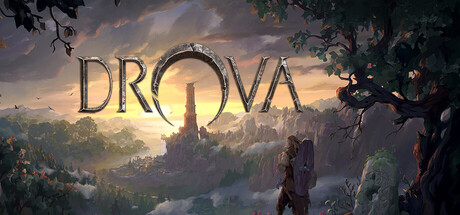
Art style is excellent: The art style, particularly the pixel art, is consistently praised as gorgeous, beautiful, and well-crafted. Players find the visual direction attractive and a significant positive aspect of the game.
Game is highly praised: Players consistently describe the game as fun, excellent, and well-crafted, with many calling it a god-tier or incredible experience. The overall sentiment is overwhelmingly positive, with reviewers finding it very enjoyable and worthwhile.
Strong Gothic inspiration: The game successfully evokes the feel of the Gothic series, with many players noting it satisfies the 'Gothic-like itch' and is the most Gothic-like game since Gothic 2. This nostalgic connection is a major draw for fans of the classic RPG series.
Combat is engaging: Combat is widely praised as enjoyable, challenging, and well-thought-out, with players finding it addictive and satisfying. The difficulty is noted as a positive, providing a rewarding challenge without feeling drawn out.
World is well-crafted: The game world is described as gorgeously crafted, rich, and interesting, with players enjoying the freedom to explore it. The world's design and lore are significant draws, making it a memorable part of the experience.
Common complaints
Enemies do not respawn: Enemies and resources do not respawn, making grinding for experience or materials impossible. This limits leveling options and can hinder progression.
Characters are not memorable: Reviewers feel that characters and NPCs are shallow, bland, and lack depth, making them forgettable. The character design is also criticized as childish and unremarkable.
Early game is too difficult: The beginning of the game is considered tough and challenging, with players noting that the early game is the hardest part. This difficulty spike can be off-putting for new players.
Enemy stacking is problematic: Players report that enemies often stack or pile up, which becomes annoying and more severe later in the game. This can make combat encounters feel unfair or chaotic.
Rewards are not worth effort: Players feel that rewards for challenges are stingy and not worth the effort required. The payoff is often disappointing, reducing motivation to complete side content.
Gameplay and performance
Open-world exploration with freedom: The game is an open-world RPG that emphasizes free exploration without hand-holding, featuring a huge map and multiple paths. Players are encouraged to explore at their own pace.
High difficulty and challenge: The game is quite difficult and unforgiving, with challenging enemies and a hardcore mode. Even the easiest difficulty provides a significant challenge.
No quest markers: The game lacks quest markers and minimap guidance, relying instead on vague directions from NPCs. This encourages players to explore and pay attention to the world.
Meaningful player choices: Dialogue choices and player decisions have real impact on the story, affecting NPC lives and determining the direction of the narrative. The game offers many dialogue options.
Gothic-inspired design: The game is heavily inspired by the Gothic and Risen series, following their formula of open-world exploration and challenging gameplay. It is described as a love letter to those classic titles.
Excellent Steam Deck performance: Multiple reviewers report the game runs flawlessly on Steam Deck, including 60 fps and good battery life. This is the most frequently mentioned positive aspect.
Runs well on low-end PCs: Several users note the game runs smoothly on potato PCs and old laptops, indicating good optimization for modest hardware.
Occasional crashes reported: A few users experienced crashes, including on phone and once on PC, though these appear to be isolated incidents.
Autosave causes lag: One user reported lag during autosaves, which can interrupt gameplay flow.
Weaker Switch performance: A single review notes performance is weaker on the Switch compared to other platforms, suggesting potential optimization issues.
Recommendations
Must-play for RPG fans: Reviewers frequently recommend the game to fans of role-playing games and old-school RPGs, emphasizing its quality within the genre. It is often described as a must-play for RPG enthusiasts.
Not recommended by some: A minority of reviewers cannot recommend the game, and one says it is not worth the time or money. This negative feedback is present but less frequent than positive recommendations.
Use a controller: Two reviewers recommend using a controller for a more pleasant experience, indicating that the controls may be better with a gamepad. This is a practical tip for players.
Buying context
Community fair range: $15.00 - $25.00.
Game completion: 50.0h.
Story completion: 30.0h.
Drova presents a steep early difficulty curve and tedious exploration, but most players report that the game becomes highly enjoyable after the first few hours once progression and combat mechanics click, leading to a rewarding zero-to-hero experience.
Reported time to anchor: 3h.
Friction: Early game combat is tedious and the player starts very weak; No fast travel or waypoints makes exploration tedious; Quest solutions can feel arbitrary, requiring wiki or wandering; Invisible objects and clutter require constant scanning; Many characters to remember can be overwhelming; No hand-holding or quest markers leads to feeling lost.
Unlock drivers: Getting past the initial difficulty curve; Learning enemy patterns and combat mechanics; Gaining levels and better gear; Understanding the world and quest structure; Unlocking magic and new abilities in midgame; Using consumables and resources effectively.
Player profiles
Gothic Series Veterans: Explores factions, side quests, and world design while constantly drawing parallels to Gothic and Risen mechanics. Motivation: Nostalgia and experiencing a modern, faithful homage to the Piranha Bytes Gothic formula. Stance: buy.
Hardcore Challenge Seekers: Plays on hardcore difficulty, engages in no-damage runs, and grinds for achievements without guides. Motivation: The thrill of overcoming brutal difficulty and achieving mastery through skill and persistence. Stance: buy.
Casual Newcomers: Prefers clear quest markers, forgiving combat, and minimal grinding; struggles with opaque objectives and overpowered enemies. Motivation: Wanted a casual, guided RPG experience but was alienated by the game's hardcore design and lack of direction. Stance: no buy.
Platform notes
All three Windows VRAM cohorts report positive performance, with no non-recommended reviews in the provided snippets.
Windows 12-15GB VRAM: positive. Users with 16GB VRAM report smooth performance, with one noting it also runs at 60 fps on Steam Deck.
Windows <8GB VRAM: positive. A user with 8GB VRAM praises the game's fluid pixel graphics and enjoyable exploration.
Windows 8-11GB VRAM: positive. A user with 12GB VRAM recommends the game, noting the quest design is good despite vague direction hints.
Steam Deck: The game is a great fit for Steam Deck with native Linux support and excellent performance, but small text and a control rebinding requirement add minor friction. Overall, it's a highly recommended handheld experience with a few adjustments.
Linux and Proton: The game ships a native Linux binary that multiple reviewers confirm runs without issues, with one user reaching a good ending on GNU/Linux. The only negative Linux signal is a single refund caused by a Wayland setup on CachyOS, plus a minor SteamOS control-rebinding tweak. These isolated issues do not outweigh the strong consensus that the native Linux build works well.
Extra review signals
External guides: The dominant user complaint is that Drova requires frequent external guide or wiki consultation due to unclear quest objectives, hidden content, and unforgiving build systems. Players often feel lost without a walkthrough, leading to frustration and a sense of forced dependency on external data. While the game is praised for its exploration and challenge, the lack of in-game guidance for quests, builds, and secrets constitutes a significant 'Wiki Tax'.
Other review notes
Frequently compared to Gothic: Many reviewers describe the game as a 2D Gothic or a spiritual successor to the Gothic series, noting strong similarities in atmosphere, setting, and gameplay. Some also compare it to Skyrim, calling it a 2D Skyrim.
Chinese localization has issues: Players report that the Simplified Chinese localization is incomplete, with missing translations, a character name error, and a log formatting issue. While the game supports Chinese, these errors detract from the experience.
Players hope for sequel: Many reviewers express a strong desire for a sequel, prequel, or expansion set in the same world. The positive reception has led to hopes that the developers will continue the franchise.
Playtime around 40 hours: Reviewers report a substantial playtime of approximately 30-40 hours, with the main story taking about 24 hours. This suggests a lengthy and content-rich experience for players.
Small team first project: The game was developed by a very small team as their first project, which is seen as an impressive feat. Reviewers acknowledge the effort and passion put into the game despite its indie origins.