- Unique and engaging combat system stands out
- Deep class and progression system enhances gameplay
- Innovative pawn system adds strategic depth
- Repetitive and shallow quests disappoint players
- Outdated graphics and visuals feel unpolished
- Poor inventory and UI design frustrates users
Emotions
What players like:
Common complaints:
Gameplay feedback:
Performance notes:
Recommendations:
Other player notes:
Similar games
Blend with other games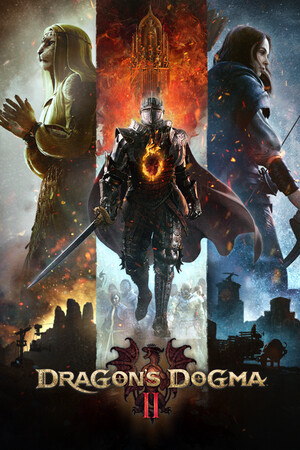 89%Dragon's Dogma 2
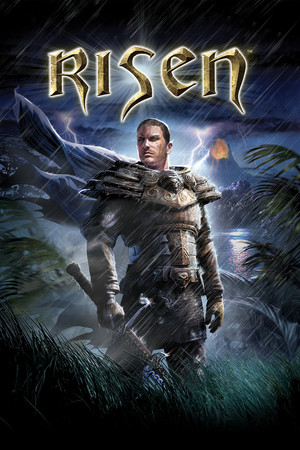 85%Risen
 84%Crimson Desert
 83%Gothic® 3
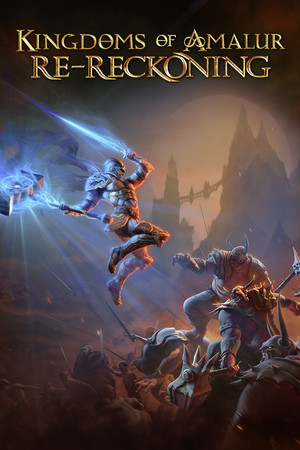 83%Kingdoms of Amalur: Re-Reckoning
 83%The Elder Scrolls III: Morrowind® Game of the Year Edition
 83%Gothic II: Gold Edition
 83%Outward Definitive Edition
 83%Divinity: Original Sin 2 - Definitive Edition
 82%Wigmund
 82%Drova - Forsaken Kin
 82%Grim Dawn
Review evidence
Why players say this
Review evidence
Why players say this
What players like
Unique and Engaging Combat System: The combat is frequently highlighted as innovative, dynamic, and satisfying, with mechanics like climbing large monsters, targeting weak points, and three-dimensional tactical options. Players appreciate the weighty, impactful, and cinematic feel of battles, especially against epic creatures.
Deep Class and Progression System: The game offers a highly customizable and flexible class system with nine vocations, allowing players to switch roles anytime. The progression system is praised for its depth, build variety, and strategic party composition, enabling unique playstyles and replayability.
Immersive Open World Experience: Players consistently praise the game's beautiful, vast, and reactive world, which encourages exploration and long journeys. The medieval-esque setting, distinct atmospheres, and immersive locations create a strong emotional connection and a sense of adventure.
Innovative Pawn System: The pawn system is described as one of the most unique and engaging mechanics in RPGs, fostering community engagement and adding depth to gameplay. Pawns act as loyal companions, learn from the player, and can be shared or borrowed, enhancing both single-player and online experiences.
Challenging and Rewarding DLC: Bitterblack Isle and Dark Arisen expansions are consistently highlighted for adding significant post-game challenges, scalable difficulty, and rewarding loot. These expansions enhance replayability and provide a satisfying endgame experience for high-level players.
Common complaints
Repetitive and Shallow Quests: Quests are criticized for being repetitive (e.g., fetch/kill tasks), poorly marked on the map, and lacking meaningful outcomes. Many side quests feel like filler with little narrative depth or player agency.
Outdated Graphics and Visuals: The game’s visuals, including textures, animations, and character models, are widely criticized for feeling dated even at release. This detracts from immersion and makes the game feel aged compared to contemporaries.
Weak Story and Character Development: The narrative is described as clichéd, shallow, and poorly paced, with underdeveloped NPCs and a protagonist lacking charisma. Players struggle to connect emotionally with the plot or characters.
Lack of Guidance and Tutorials: Key mechanics (e.g., pawn inclinations, leveling) are poorly explained, requiring external guides. Quests lack clear objectives, and some systems (e.g., affinity) are needlessly obscure.
Limited Enemy and World Variety: The game suffers from repetitive enemy encounters (e.g., goblins, harpies) and a lack of diverse biomes or dungeons. This monotony makes exploration feel tedious and uninspired over time.
Gameplay and performance
Exploration-Focused Open World: The open world emphasizes exploration with diverse biomes, hidden treasures, and dynamic day/night cycles that affect enemy spawns and difficulty. However, fast travel is limited, requiring players to traverse environments manually or use consumable teleportation items.
Character Customization Depth: Players can customize their protagonist and pawns extensively, including appearance, gait, posture, and even weight (which affects gameplay). This level of detail enhances roleplaying and build experimentation.
Limited Fast Travel System: Fast travel is restricted to consumable items (e.g., Ferrystones) or later-game teleportation stones, discouraging over-reliance on instant travel. This design reinforces the game's focus on exploration but can feel cumbersome for players.
Quest Design and Backtracking: Quests range from simple fetch/kill tasks to exploration-heavy objectives, but some require backtracking or manual map marker activation. Missable quests and rigid expectations can frustrate players, though the world's beauty often compensates for these issues.
Boss Fights with Spectacle: Boss encounters are cinematic and interactive, often requiring climbing mechanics or environmental tactics. Examples include the Hydra, Cyclops, and Griffin, with some bosses featuring multiple health bars or QTE-like sequences.
Frequent game crashes and instability: Players report frequent crashes, freezes, and black screens, particularly on PC. Some crashes corrupt save files or occur in specific areas, though driver updates and patches (e.g., 4GB Patch) mitigate some issues. Alt-tabbing and lack of borderless window mode exacerbate crashes.
Mixed performance on modern hardware: Performance varies widely: some players achieve 60+ FPS on high-end PCs, while others experience mediocre FPS (18-25 avg) or struggle with optimization. The game runs well on Steam Deck and older hardware but lacks consistent scaling.
Hardware and compatibility issues: The game struggles with hardware compatibility, including DX9 issues on Windows 11, 32-bit limitations, and performance problems on older AMD GPUs. Solutions like DXVK (Vulkan) or manual DLL replacements are required for stability. Some players report smooth performance on older or entry-level hardware.
Graphics and display limitations: Players note dated textures, pop-in, lighting bugs, and animation glitches. Resolution settings are limited, and ultra-wide monitor support is lacking. Visibility issues arise on OLED vs. LCD displays due to dark areas.
Save file corruption risks: Auto-saving during loading or crashes can corrupt save files, forcing players to manually back up progress. This issue is tied to broader instability and poor save system design.
Recommendations
Highly recommended for RPG fans: The game is frequently recommended for fans of RPGs, action fantasy, and tactical combat, particularly those who enjoy chaotic and immersive gameplay. It is praised for its unique blend of familiar elements and deep systems.
Best purchased on sale: Many reviews suggest buying the game during a sale or at a discounted price (e.g., 2-5€ or £4) due to its flaws and risks. Full price is often deemed too high for the experience provided.
Best for patient players: The game is not recommended for those seeking modern polish, cinematic narratives, or heavily guided stories. It is ideal for players who enjoy experimentation, grinding, and older-school mechanics.
Manual saves critical: Players emphasize the need to manually save often to avoid losing progress due to crashes or bugs. The auto-save system is unreliable and can lead to frustration.
Dark Arisen DLC superior: The Dark Arisen expansion is highly praised and considered the definitive way to experience the game. Players recommend starting the DLC after leveling up sufficiently.
Platform notes
Steam Deck: Dragon’s Dogma: Dark Arisen shows a mixed reception on Steam Deck, with **high-severity stability issues** (crashes, black screens, save corruption) and **mandatory Proton usage** undermining the native experience. While the game runs smoothly for some users, others face **navigation frustrations** (e.g., no fast travel, confusing maps) and **AI companion flaws**. The requirement to use Proton Experimental (or specific versions) triggers the Scoring Criteria’s 'Tinkering Required' penalty, despite otherwise strong performance for many players.
Extra review signals
Monetization: The monetization and 'greed' analysis of *Dragon's Dogma: Dark Arisen* reveals a **fair and traditional DLC model**. The Dark Arisen expansion (included in the definitive edition) is consistently praised for delivering substantial content, including the Bitterblack Isle dungeon, which adds significant replayability and endgame challenges. While players criticize the DLC's difficulty and design (e.g., repetitive layouts, abrupt difficulty spikes), these complaints focus on subjective quality rather than predatory monetization. The fast travel system's inconvenience in the base game is resolved by the DLC's eternal ferrystone, but this is not framed as a pay-to-skip mechanic. No evidence of pay-to-win, lootboxes, or aggressive microtransactions was found. The DLC is treated as a natural extension of the game, akin to classic expansion packs.
Mod reliance: User feedback indicates that *Dragon's Dogma* is fully playable in its vanilla state, with mods primarily serving as optional enhancements for visuals, localization, or minor quality-of-life improvements. While one user reported an isolated technical issue (freezing/crashing), this was resolved with a patch or driver update and does not reflect a widespread problem. No critical bugs or crashes requiring mods were mentioned by multiple users.
External guides: The feedback highlights significant external data dependency, primarily due to unclear quest mechanics, missable content, and poor navigation. While some complaints touch on technical issues (e.g., alt-tab crashes), the dominant theme is the need for instructional data ('The Student') to overcome the game's lack of handholding. No explicit mentions of farming, inventory management, or spatial bugs alone justify higher-tier scores.
Other review notes
Non-gameplay content noted: References to fanfiction writing and comparisons to other games (e.g., Elder Scrolls, Assassin’s Creed) indicate a passionate fanbase but do not directly address gameplay improvements.
Wiki reliance for unclear info: Many players report needing to consult external wikis due to vague or incomplete in-game information. Improving in-game tutorials or tooltips could enhance accessibility for new players.
Hybrid class mechanics desired: Players suggest adding hybrid class mechanics, such as combining skills from different vocations, to increase gameplay variety and depth. This would allow for more customization and strategic options.
Long-term enjoyment despite sequel: Many players express continued enjoyment of the game even after the release of a sequel, indicating strong replay value and enduring appeal of its core mechanics.
Travel mechanics advice: Players recommend avoiding the eternal ferrystone for more engaging travel experiences, suggesting that alternative travel methods add depth and discovery to exploration.