- Memorable and well-developed characters
- Engaging narrative with meaningful choices
- Flexible and creative quest design
- Frustrating early-game combat mechanics
- Poorly balanced difficulty spikes
- Unintuitive progression and systems
Emotions
What players like:
Common complaints:
Gameplay feedback:
Performance notes:
Recommendations:
Other player notes:
Similar games
Blend with other games 91%Divinity: Original Sin - Enhanced Edition
 87%Baldur's Gate 3
 85%Zorbus
 85%Icewind Dale: Enhanced Edition
 85%Guild Saga: Vanished Worlds
 85%Pathfinder: Wrath of the Righteous - Enhanced Edition
 85%Baldur's Gate II: Enhanced Edition
 85%Arcanum: Of Steamworks and Magick Obscura
 84%Tyranny
 84%Caves of Lore
 84%Baldur's Gate: Enhanced Edition
 84%Wildermyth
Review evidence
Why players say this
Review evidence
Why players say this
What players like
Memorable and well-developed characters: Characters are charismatic, multi-layered, and emotionally engaging, with deep backstories and unique personalities. Origin characters and companions add significant depth to the narrative and gameplay.
Engaging narrative with meaningful choices: The story is immersive, with branching quests, moral dilemmas, and dynamic reactions to player actions. Choices significantly impact the narrative, creating a living world with high replayability and emergent storytelling.
Flexible and creative quest design: Quests are non-linear, offering multiple solutions and meaningful consequences. Players can approach challenges through combat, stealth, persuasion, or unconventional strategies, enhancing freedom and replayability.
Rich world-building and lore: The game excels in immersive world-building, with detailed environments, deep lore, and a reactive world that adapts to player actions. The writing is sharp, witty, and layered, creating a vibrant fantasy setting.
Unique and creative mechanics: The game introduces innovative mechanics like environmental interactions, elemental combos, and skill synergies. These systems encourage creativity, allowing players to experiment with unconventional strategies and solutions.
Common complaints
Frustrating Early-Game Combat: Players report repetitive, poorly designed combat in the early game, with unfair scaling, lack of skills, and unwinnable encounters. The autosave system exacerbates frustration by saving mid-fight, forcing replays.
Poorly Balanced Difficulty Spikes: Difficulty is inconsistent, with extreme spikes (e.g., enemies one-shotting players) and unfair mechanics like forced high-level encounters. Late-game (Arx) and boss fights are particularly punishing, even on easier modes.
Unintuitive Progression Systems: The XP and leveling systems are criticized for being inconsistent and poorly explained, with unclear progression paths and level-gating that forces grinding or guides. Crafting and equipment systems are also underdeveloped or obsolete.
Repetitive and Tedious Late-Game: The story loses momentum after Act 1, with repetitive combat, predictable encounters, and pacing issues. The final act is less polished, and the game’s length (100+ hours) contributes to fatigue.
Confusing Puzzles and Quests: Puzzles are poorly integrated, often requiring external guides due to unclear mechanics or translation errors. Quests lack direction, and some are missable without a wiki, adding frustration.
Gameplay and performance
Deep turn-based combat system: The game features a highly strategic turn-based combat system with initiative mechanics, action points, elemental interactions, and environmental effects. Players appreciate the tactical depth, including terrain usage, elemental combinations, and armor mechanics.
Branching narrative and choices: The game offers dialogue-driven choices with branching outcomes, multiple quest solutions, and narrative consequences. Players highlight the impact of decisions on story progression, NPC interactions, and replayability.
Dual armor and elemental systems: The combat system features separate physical and magical armor, alongside elemental interactions (e.g., fire + water, electricity + oil). These mechanics add strategic depth and creative combat solutions.
Co-op multiplayer mechanics: The game supports 2–4 player co-op with shared storytelling, dynamic interactions, and independent goals. Players enjoy cooperative exploration, combat, and role-playing, though conflicts may arise over decisions.
Puzzle-solving and environmental tactics: Puzzles are integrated into quests and combat, requiring environmental manipulation (e.g., moving objects, using terrain). Players appreciate the blend of strategy and creativity in solving challenges.
Frequent game crashes: Players report the game crashing unexpectedly during launch, loading, or specific encounters (e.g., Blood Moon Island). This disrupts gameplay and may indicate stability issues in core systems.
Gameplay-breaking bugs: Numerous bugs affect quests, item stats, NPC interactions, and progression. Examples include incomplete objectives, respec mirror malfunctions, and cloth physics glitches, severely impacting player experience.
Optimized for diverse hardware: The game runs smoothly on low-end hardware, supports 4K/HDR, and is praised for its light system requirements and optimization.
Performance instability: Players experience persistent stutters, FPS drops (e.g., 5 FPS on older hardware), and performance issues in large areas. Some report desync in skill animations, suggesting optimization gaps.
Multiplayer connection failures: Hosting and connection issues disrupt multiplayer sessions, preventing players from joining or maintaining stable online gameplay.
Recommendations
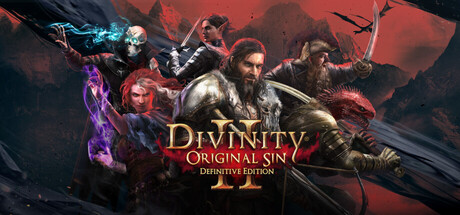
Must-play for RPG fans: The game is widely regarded as a masterpiece for fans of deep, tactical RPGs, particularly those who enjoy narrative-driven experiences like *Baldur’s Gate 3* or *Dragon Age*. Its depth, replayability, and strategic combat make it essential for the genre.
High replayability value: The game offers significant replayability due to its multiple builds, choices, and narrative paths. Players are encouraged to experience it at least twice to fully appreciate its depth.
Best for hardcore gamers: The game is recommended primarily for hardcore or experienced RPG players due to its complexity, difficulty, and lack of hand-holding. Casual players may find it frustrating or inaccessible.
Exploration and interaction key: Players are encouraged to thoroughly explore, interact with objects, and read dialogue to uncover hidden content, side quests, and skill upgrades. Companion choices also significantly impact the narrative.
Worth buying on sale: While the game is considered worth its full price by many, it is frequently recommended to wait for a discount (e.g., $15–$30) to maximize value, especially for players unsure about its difficulty or style.
Other review notes
Game introduced Larian Studios: Many reviewers noted that this game served as their introduction to Larian Studios, leading them to explore or purchase Baldur's Gate 3. It was seen as a precursor to demonstrate the studio's capabilities.
Long playtime highlighted: Players mentioned a lengthy playtime (e.g., 300 hours), indicating strong replayability and content depth in the game.
Accessibility features praised: Reviewers appreciated accessibility settings like foot glow and character highlighting, which improved visibility and gameplay experience for all players.
Production quality simpler than BG3: While the game's production quality was noted as simpler than Baldur's Gate 3, reviewers agreed it did not detract from the overall experience.
Potential for remake or series: Players expressed interest in a remake or adaptation of this game into a full series, suggesting it has untapped potential for expansion.