- High replayability with meaningful player choices
- Rich lore and brilliant writing enhance immersion
- Strategic turn-based combat with depth
- Unforgiving and frustrating combat mechanics
- Outdated graphics and technical issues present
- Punishing skill checks hinder progression
Emotions
What players like:
Common complaints:
Gameplay feedback:
Performance notes:
Recommendations:
Other player notes:
Similar games
Blend with other games





Review evidence
Why players say this
Review evidence
Why players say this
What players like
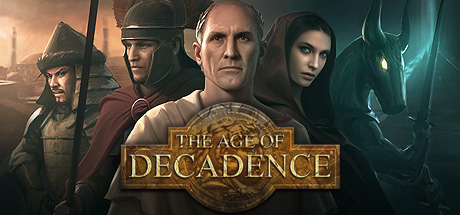
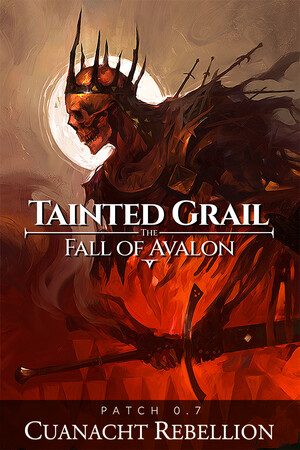
High replayability and choices: The game offers immense replayability due to branching storylines, faction-based paths, and meaningful player choices. Each playthrough feels distinct, with multiple endings, character builds, and non-combat options (e.g., pacifist or merchant playthroughs).
Rich lore and world-building: The game features deep, well-written lore and world-building, often compared to classics like *Fallout* and *Dune*. Players praise its unique post-apocalyptic Roman-inspired setting, intricate factions, and puzzle-like storytelling that unfolds across playthroughs.
Strategic turn-based combat: The combat system is tactical, challenging, and rewarding, with mechanics like body-part targeting, consumable use, and weapon-specific animations. Players appreciate its depth and old-school CRPG feel, though it can be brutally difficult.
Brilliant writing and dialogue: The writing is frequently described as top-tier, with witty, immersive dialogue, morally gray characters, and a narrative that avoids clichés. Players highlight its depth, realism, and philosophical themes, often comparing it to literary works.
Meaningful consequences for actions: Player decisions have irreversible, world-altering consequences, from faction alliances to quest outcomes. The game punishes reckless behavior and rewards role-playing, with no 'chosen one' trope or hand-holding.
Common complaints
Unforgiving and frustrating combat: The combat system is widely criticized for being overly difficult, RNG-dependent, and poorly designed. Players report frequent deaths, reliance on save-scumming, and artificial difficulty spikes that make progression frustrating rather than rewarding.
Outdated and unpolished graphics: The game's visuals are described as dated, rough, and lacking polish, even for mid-2000s standards. Poor animations, weak engine performance, and graphical glitches further detract from immersion.
Punishing skill checks and progression: Skill checks are rigid, arbitrary, and often gate critical content, forcing players to min-max or restart. Failed checks can lead to dead ends or softlocks, making progression feel unfair and poorly designed.
Poor first-playthrough experience: The initial playthrough is often ruined by excessive difficulty, RNG, and lack of guidance, leading to disappointing endings. Players must restart multiple times or use guides to understand mechanics.
Unbalanced difficulty and design: The game's difficulty is artificially high, with only one setting that feels masochistic. Developers' dismissive attitude toward criticism exacerbates frustration, as the design prioritizes punishment over fun.
Gameplay and performance
Deep skill-based progression: The game features a skill-based progression system where players allocate points to stats (e.g., Strength, Intelligence) and skills (e.g., persuasion, stealth) without traditional leveling. Choices are meaningful and often irreversible, shaping character specialization and playstyle.
Multiple branching endings: The game features numerous endings based on player choices, skill investments, and faction alliances. Replayability is high due to mutually exclusive paths and morally ambiguous outcomes.
Dialogue-heavy with skill checks: Dialogue and persuasion mechanics are central, with skill checks (e.g., Charisma, Persuasion) determining outcomes. Players can bypass combat entirely through dialogue, offering non-combat playstyles like diplomacy or deception.
Faction-based storytelling: Eight distinct factions and professions (e.g., Assassin, Merchant) offer unique questlines, perspectives, and alliances. Faction choices significantly impact the narrative and available paths.
Non-combat playstyles viable: Pacifist, merchant, and diplomatic playstyles are fully supported, allowing players to avoid combat entirely. Skills like persuasion and craftiness are as viable as combat-focused builds.
Flickering and lighting bugs: Players report frequent screen flickering and lighting issues, particularly on modern systems. Adjusting lighting settings to LOW or tweaking Lighting Quality often resolves these graphical glitches.
Frequent crashes and instability: Crashes are a common issue, occurring during gameplay, fights, or when accessing menus. Some players report no crashes, but the majority highlight this as a significant problem.
General technical and graphical issues: A broad range of technical problems, including graphical glitches, keyboard/sound/resolution issues, and bugs requiring file integrity checks or language switches to resolve.
Long loading times: Players experience excessively long loading screens, even when using SSDs. This issue is widely reported and impacts gameplay flow.
Interface and resolution scaling: Interface scaling problems are reported on 4K displays, making the game difficult to navigate or play at higher resolutions.
Recommendations
Must-play for CRPG fans: The game is widely recommended for fans of classic CRPGs, deep roleplaying, and narrative-driven experiences. Its strong writing, replayability, and consequence-heavy decisions make it a standout title in the genre.
Niche appeal for hardcore players: The game is not suitable for casual players due to its punishing difficulty, restrictive mechanics, and steep learning curve. It is best enjoyed by seasoned RPG veterans who appreciate complexity and challenge.
Patience and persistence required: The game demands patience, frequent saving, and a willingness to fail. Players are encouraged to stick with it despite initial difficulties, as the experience becomes rewarding over time.
Best purchased on sale: While the game is praised for its content, some reviewers recommend waiting for a discount due to its flaws or niche appeal. It is considered a great value at reduced prices.
Demo recommended before purchase: Many reviewers suggest trying the free demo to gauge whether the game's mechanics and difficulty align with personal preferences. This helps avoid frustration and ensures a better fit for potential buyers.
Other review notes
Unique and engaging premise: The game’s premise—playing as a character seeking wealth and power during political instability—is highlighted as fresh and compelling by players.
Generous demo content: Players appreciate the inclusion of an entire act in the demo, allowing for a comprehensive trial experience. This helps users make informed purchasing decisions.
Tone mismatch in humor: The comedy quips and puns in character sheets and descriptions clash with the game's dark theme, breaking immersion for some players.
Demo accessibility praised: Personal experiences of playing the demo without purchasing suggest the demo is effective in attracting players and showcasing the game’s value.
Comparisons to established IPs: Players draw comparisons to *Pathfinder* and *Re:Zero*, suggesting the game appeals to fans of tactical RPGs and dark fantasy narratives.