- Exceptional story and immersive world-building
- Brutal yet deeply satisfying combat system
- Expansive exploration and detailed world design
- Extreme difficulty punishes unprepared players
- Poor accessibility for newcomers and casuals
- Unforgiving build mechanics and late-game design
Emotions
What players like:
Common complaints:
Gameplay feedback:
Performance notes:
Recommendations:
Other player notes:
Similar games
Blend with other games






Review evidence
Why players say this
Review evidence
Why players say this
What players like
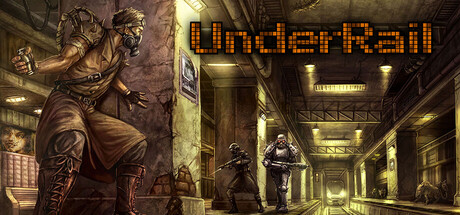
Exceptional Story and World-Building: The game is praised for its deep, engaging lore, well-written dialogue, and immersive world-building. Players highlight the narrative's consistency, originality, and ability to create a believable post-apocalyptic setting.
Brutal but Satisfying Combat: The turn-based combat system is described as challenging, tactical, and rewarding. Players appreciate the strategic depth, variety of tools, and the sense of accomplishment from overcoming difficult encounters.
Immersive Atmosphere and Soundtrack: The game's bleak, claustrophobic atmosphere, combined with a haunting soundtrack and ambient sound design, creates a highly immersive experience. The music and visuals enhance the post-apocalyptic setting.
Expansive Exploration and World Design: The game features a huge, handcrafted world with interconnected maps, rewarding exploration, and a lack of filler content. The open-world design encourages immersion and discovery.
Robust Crafting and Looting Systems: The crafting system is praised for its depth, allowing players to create powerful, customizable items. Looting and hoarding mechanics add layers of strategy and progression.
Common complaints
Extreme difficulty punishes players: The game features a steep and inconsistent difficulty curve, with frequent spikes that frustrate players, especially beginners. Many report that even the easiest settings remain challenging, requiring extensive save-scumming or external guides to progress.
Poor accessibility for newcomers: The game lacks modern quality-of-life features, such as quest markers, clear tutorials, or beginner-friendly difficulty options. New players often struggle with unclear mechanics, punishing progression, and a high barrier to entry.
Unforgiving build mechanics: Character builds are rigid and unforgiving, with no respec options. Poor early choices can render the game unwinnable, forcing players to restart or rely on external guides to avoid softlocks or excessive difficulty spikes.
Frustrating late-game design: Late-game areas, particularly the Deep Caverns and Expedition DLC, are criticized for excessive difficulty, resource scarcity, and poorly designed mechanics (e.g., mutagen puzzles, enemy swarms). The final act is often described as grueling and unsatisfying.
Broken stealth and enemy mechanics: Stealth mechanics are inconsistent or outright broken, with enemies detecting players regardless of stats or perks. Enemies often swarm, stunlock, or ambush players, making combat feel unfair or tedious.
Gameplay and performance
Deep character build customization: Players highlight the game's extensive character build variety, including melee, stealth, psionics, and weapon-specific builds. The system allows for min-maxing and irreversible specialization, emphasizing strategic planning.
Turn-based tactical combat: The game features a turn-based combat system with action points, environmental interactions, and tactical depth. Players note its high difficulty and reliance on build optimization and positioning.
High difficulty and scaling: The game is praised for its unforgiving difficulty, requiring strategic play and persistence. Difficulty settings adjust enemy toughness and mechanics, catering to both newcomers and veterans.
Post-apocalyptic exploration: The game's subterranean post-apocalyptic setting (e.g., metro tunnels, caverns) is a core focus, rewarding exploration with unique items, secrets, and immersive world-building.
Interconnected crafting system: Crafting is a robust mechanic tied to multiple skills (e.g., mechanics, electronics, chemistry). It allows for powerful, customizable items but is criticized for lacking depth in some areas.
Optimized for low-end hardware: The game runs smoothly on low-end systems, including tablets, due to its 2D nature and efficient optimization. Performance is stable with no major lag reported.
Game crashes and freezes post-update: Players report frequent crashes, freezes, and long startup times after a large update, particularly in Borderless Windowed mode. Some instances even brick the game entirely.
Resolution and display issues: Players encounter problems with resolution support, including missing video resolution options and poor UI/dialogue visibility, affecting accessibility.
Menu and combat bugs: Occasional lockups occur during combat or player death, and menu selection bugs disrupt gameplay flow, requiring fixes for smoother interaction.
Steam Deck compatibility: The game works flawlessly on Steam Deck, indicating strong compatibility with handheld and portable devices.
Recommendations
Deep RPG for hardcore fans: The game is highly recommended for players who enjoy deep, complex, and challenging RPGs with meaningful choices, tactical combat, and high replayability. It is not suitable for casual players or those outside the CRPG niche.
High replayability: The game offers extensive replay value due to build diversity, faction choices, and exploration-focused gameplay. Players can spend hundreds of hours experimenting with different playstyles.
Classic Fallout successor: The game is frequently compared to and recommended for fans of classic Fallout (1/2), Arcanum, and other old-school RPGs. It is praised as a worthy successor to these titles, offering a similar depth and challenge.
DLC and bundles recommended: Players are encouraged to purchase the Expedition DLC for quality-of-life improvements or to buy the game in a bundle with all DLCs for the best experience.
Save often to avoid frustration: Due to RNG-heavy combat and punishing difficulty, players are advised to save frequently to avoid losing progress or facing insurmountable challenges.
Other review notes
External resources required: Players frequently rely on wikis, guides, and pre-made builds to optimize their playthroughs, as the game lacks in-built support for complex mechanics. Poor wiki organization exacerbates this issue.
Upcoming expansion anticipated: Players express excitement for the *Infusion* expansion and the sequel in development, highlighting strong long-term engagement with the franchise.
Community-driven support: Players actively support the developer, contribute to localization efforts (e.g., Chinese), and engage in build-related discourse, fostering a dedicated community.
Mixed player experiences: While some players enjoy the game’s music and invest significant playtime (e.g., 87 hours), others request refunds within minutes due to frustration or mismatched expectations.
Game demands high effort: The game is often compared to a 'college course' due to its complexity, with a fanbase perceived as masochistic for enjoying its steep learning curve.