- High replayability with deep content
- Challenging yet fair difficulty curve
- Rewarding build diversity and customization
- Engaging progression and upgrade systems
- Poor save system disrupts gameplay
- Slow development with frequent bugs
Emotions
What players like:
Common complaints:
Gameplay feedback:
Performance notes:
Recommendations:
Other player notes:
Similar games
Blend with other games




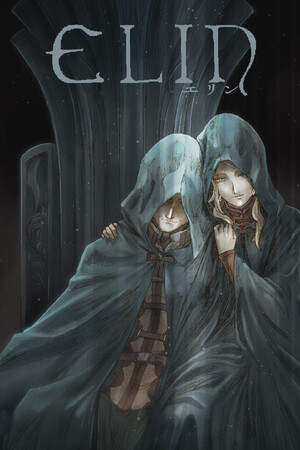

Review evidence
Why players say this
Review evidence
Why players say this
What players like
High replayability and content: The game offers extensive replayability through procedural dungeons, randomized loot, diverse character builds, and frequent updates. Players report hundreds of hours of gameplay, with many returning for new builds or updates, making it a long-term investment for fans of the genre.
Challenging but fair difficulty: The game's punishing yet rewarding difficulty is a core appeal. Players appreciate the high stakes, permadeath mechanics, and the sense of achievement from overcoming obstacles. The difficulty is frequently cited as a key factor in the game's addictive and immersive nature.
Highly rewarding build diversity: Players consistently praise the game's character-building mechanics, highlighting the vast customization options through stats, skills, and equipment. The flexibility in playstyles and the sense of accomplishment from mastering builds are central to the experience, making it a standout feature for replayability.
Engaging progression and upgrades: Character progression, skill trees, and gear upgrades are highly satisfying, providing a strong sense of growth and achievement. Players enjoy the gradual unlocking of new abilities and the tangible benefits of upgrading their caravan and equipment.
Immersive and atmospheric world: The game's world-building, lore, and pixel art create a captivating and atmospheric experience. Players highlight the detailed environments, rich storytelling, and the sense of immersion that draws them into the game's dark fantasy setting.
Common complaints
Slow and incomplete development: The game has been in early access for years with slow updates and minimal content additions. Players express frustration over the lack of progress, missing features (e.g., character creation, story content), and a development pace that feels stagnant. This has led to concerns about whether the game will ever be completed.
Poor save system design: The game's save system is a major pain point, requiring players to manually save at specific locations (e.g., beds or inns) or use consumable items. This leads to frequent loss of progress, tedious backtracking, and frustration, particularly after unexpected deaths or crashes. The system feels outdated and disrespectful of players' time.
Unbalanced and RNG-heavy combat: Combat is heavily reliant on randomness (RNG), leading to inconsistent and often unfair outcomes. Players report frequent deaths due to bad luck, such as critical hits or debuffs, rather than skill-based challenges. The lack of tactical depth and reliance on repetitive strategies (e.g., kiting) further diminishes enjoyment.
Disruptive balance changes: Frequent and arbitrary balance changes (e.g., nerfs to builds, weapons, or mechanics) frustrate players, especially when they disrupt ongoing playthroughs. These changes often feel untested and prioritize artificial difficulty over player enjoyment, leading to a sense of instability in the game's design.
Excessive travel time: Traveling between locations is excessively time-consuming due to the lack of fast travel options and slow movement speed. Players report spending more time walking than engaging in meaningful gameplay, which feels tedious and frustrating.
Gameplay and performance
Turn-based roguelike dungeon crawler: The game is primarily a turn-based roguelike with dungeon crawling as its core mechanic. Players engage in procedurally generated dungeons, complete contracts, and manage survival elements like loot collection and permadeath. The gameplay loop involves strategic combat, exploration, and progression through tiered dungeons.
Survival and resource management mechanics: The game features intricate survival systems, including hunger, thirst, morale, sanity, injuries, and equipment durability. Players must carefully manage resources like food, medical supplies, and inventory space to survive. These mechanics add depth and realism but also increase the game's difficulty and punishing nature.
Strategic turn-based combat: Combat is turn-based and highly strategic, emphasizing positioning, timing, and cooldown management. Players must adapt to enemy behaviors, use environmental tactics (e.g., traps, luring), and manage buffs/debuffs. The combat system rewards careful planning but can be unforgiving due to RNG and permadeath consequences.
Diverse character builds and customization: Players can experiment with various builds, including melee, ranged, and magic-based playstyles. The game offers 11 weapon trees, 7 utility trees, and 4 sorcery trees, allowing for deep customization. However, some builds may struggle with specific dungeons or challenges, requiring adaptation.
Caravan and travel mechanics: The caravan system serves as a portable respawn point, fast travel option, and resource hub. Upgrading the caravan unlocks new features like companions and cooking mechanics, which help mitigate the tedium of travel and exploration. This system is a late but valuable addition to the game.
Frequent bugs and glitches: Bugs are a recurring issue, including softlocks, quest-breaking glitches (e.g., monsters escaping maps), and gameplay-affecting errors. Some bugs cause freezes or prevent quest completion, though severity varies.
Strong low-end performance: The game is praised for running well on low-end hardware with minimal crashes or serious bugs over extended playtime. However, some players note sluggish performance in crowded areas or on older systems.
Optimization and pacing issues: Players report poor optimization, including sluggish pacing (mitigated by speedhacks) and performance drops in specific scenarios, such as crowded areas or bad weather. Visual darkness also requires brightness adjustments.
Minor UI/UX and update uncertainties: Some players report minor UI/UX issues and confusion about whether certain changes in updates are bugs or intentional design choices. Feedback here is less severe but still notable.
Resolution scaling problems: Lower resolutions (e.g., 1600x900) zoom the game in, making higher resolutions like 1080p less ideal for some players. This suggests UI or rendering issues that affect visual clarity.
Recommendations
Game is polarizing but rewarding for the right audience: The feedback across clusters shows that the game is highly polarizing. While it receives strong recommendations from hardcore RPG fans, it is equally criticized by players who find it unfair, unbalanced, or overly punishing. This polarization underscores the importance of managing player expectations and improving accessibility.
Highly recommended for hardcore RPG fans: The majority of reviews in Cluster 1 highlight that the game is strongly recommended for players who enjoy challenging, strategic, and survival-heavy RPGs. This includes fans of Soulslike, roguelike, turn-based, and old-school hardcore RPGs. The feedback emphasizes the game's depth, customization, and rewarding gameplay loops for those who appreciate difficulty and complexity.
Not recommended for casual or story-focused players: Several reviews explicitly advise against purchasing the game for players who prioritize story, dislike irreversible choices, or prefer casual, less punishing gameplay. The game's steep learning curve, permadeath mechanics, and lack of hand-holding make it unsuitable for these audiences. This sentiment is frequent enough to warrant caution for potential buyers.
Mixed reception due to balance and save system issues: Cluster 2 and Cluster 10 highlight significant frustration with the game's balance, save system, and time-wasting mechanics. Many players feel the game is unfair, unbalanced, or overly punishing, leading to strong recommendations against purchasing it in its current state. This feedback is constructive and specific, indicating areas needing urgent improvement.
Mods can enhance or mitigate gameplay issues: Clusters 13 and 2 highlight that mods (e.g., quicksave, speed adjustments) can significantly improve the player experience by addressing frustrations like slow movement or the save system. This suggests that the game's community is actively engaged in improving accessibility and enjoyment, though reliance on mods may not be ideal for all players.
Other review notes
Progression and QoL frustrations: Players frequently criticize the game's progression system, quality-of-life features (e.g., saving mechanics), and lack of polish. Common complaints include arbitrary difficulty spikes, repetitive grind, and the absence of quick-save/auto-save options, which disproportionately punish players for minor mistakes. These issues are exacerbated by the game's 'hardcore' design, which some players feel is unnecessarily punitive rather than intentionally challenging.
Niche appeal with elitist community: The game's difficulty and design cater to a niche audience, with some players accusing the community of gatekeeping or dismissing valid criticisms. While the hardcore nature is intentional, the lack of accessibility options (e.g., difficulty modes) risks alienating potential fans. Reviews often frame the game as 'not for everyone,' which may deter casual players despite its depth.
Roguelike depth with modern expectations: The game successfully blends classic roguelike mechanics (e.g., permadeath, procedural elements) with modern RPG expectations (e.g., build variety, world simulation). Players praise its depth, replayability, and ambition but criticize its execution, particularly in balancing difficulty and accessibility. Some feel the game leans too heavily into 'harsh world simulator' territory, alienating those seeking a more traditional RPG experience.
Character customization demands: A recurring request is for expanded character customization, including a full creator tool, respec options, and unlocked skill trees. Players with hundreds of hours invested feel constrained by the current system, which limits build experimentation and replayability. The absence of these features is particularly glaring given the game's long development cycle.
Mods as band-aids for core issues: Players widely recommend mods (e.g., SaveShard, UI Plus) to address fundamental frustrations like saving limitations and UI/UX shortcomings. While mods enhance the experience, their necessity highlights gaps in the base game. Some players argue that popular mods should be integrated into the official release to improve accessibility without compromising the game's hardcore identity.