- Engaging roguelite progression system
- Appealing and distinctive art style
- Innovative gridless combat mechanics
- Unique and synergistic class combinations
- Technical and performance issues present
- Poor UI and quality-of-life features
Emotions
What players like:
Common complaints:
Gameplay feedback:
Performance notes:
Recommendations:
Other player notes:
Similar games
Blend with other games



Review evidence
Why players say this
Review evidence
Why players say this
What players like
Engaging roguelite progression: The roguelite elements, such as procedural events, unlockable characters, and meta-progression, are well-received. Players appreciate the replayability and the sense of progression across runs, including varied builds and evolving maps.
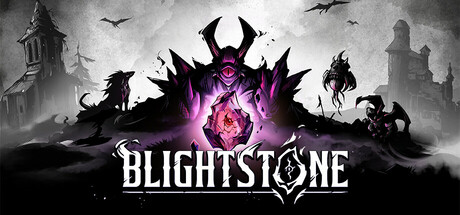
Appealing art style and visuals: The game's dark fantasy art style, animations, and attention to detail are consistently praised. The visuals are described as immersive, unique, and well-suited to the game's mechanics and atmosphere.
Innovative gridless combat system: The game features a unique gridless combat system with environmental interactions (e.g., pushing enemies into traps or off cliffs) and dynamic weather effects. This blend of turn-based tactics and roguelike mechanics is frequently praised for its innovation and depth.
Unique and synergistic classes: The game offers five distinct classes with strong synergies and customizable abilities. Players enjoy experimenting with different class combinations and playstyles, which add depth and variety to the gameplay.
Addictive and rewarding gameplay loop: Players describe the gameplay loop as addictive and rewarding, with meaningful upgrades, varied encounters, and a satisfying sense of progression. The game's pacing and content volume are well-received.
Common complaints
Unbalanced and punishing difficulty: The game features uneven difficulty spikes, hardcore mechanics (e.g., one-shot kills, no saves), and poor fault tolerance. Casual players are deterred by the steep learning curve and lack of accessibility options.
Short and repetitive gameplay: Players consistently report the game is too short (3-6 hours) with limited content, repetitive combat, and no increasing difficulty. The lack of meaningful progression or variety leads to boredom after multiple runs.
Technical and performance issues: Frequent crashes, freezes, and optimization problems (e.g., requiring low settings for 30 FPS) detract from gameplay. Slow animations and lack of controller support further hinder accessibility.
Poor UI/UX and QoL issues: Critical usability problems include overlapping tooltips, invisible enemy ranges, unclear map markers, and no undo functionality. These issues force guesswork and increase frustration during tactical play.
Limited character/team variety: Only 3-5 playable characters are available, with restrictive team sizes (3 members) and unbalanced classes (e.g., weak melee fighters, useless Druid skills). Build diversity is shallow due to rigid skill/gear dependencies.
Gameplay and performance
Deep tactical turn-based combat: The game features a gridless, turn-based combat system with action points, environmental interactions, and elemental effects (e.g., wet status affecting fire damage). Players must strategize positioning, terrain, and ability usage for optimal outcomes.
Environmental and elemental interactions: Dynamic environments allow for creative tactics, such as throwing enemies into pits, triggering explosive barrels, or using weather effects (e.g., rain causing wet status). Elemental reactions (e.g., fire + water) add layers of strategy to combat.
Roguelite structure with meta-progression: The game employs a roguelite format with permadeath, procedural generation, and run-based progression. Between runs, players unlock permanent upgrades (e.g., skills, gear) and manage resources like thread or talent points to reduce difficulty in subsequent attempts.
Comparisons to genre-defining titles: The game draws frequent comparisons to *Darkest Dungeon*, *Slay the Spire*, and *XCOM* for its tactical depth, roguelite structure, and art style. These references highlight its blend of strategy, replayability, and challenge.
Out-of-combat resource management: Between battles, players manage resources like money, equipment, and campfire skills (e.g., healing, buffs). Base-building elements and inventory systems encourage strategic planning beyond combat.
Poor optimization and performance issues: The game suffers from frame drops, overheating GPUs even at low settings, and general optimization problems. Some players note FPS issues or forced 30 FPS caps.
Frequent crashes on mid-range hardware: Players with RTX 2060 and i7 processors report frequent crashes, freezes, and black screens. This suggests stability issues tied to specific hardware configurations.
Save data loss: Some players experience unexpected loss of save data, which severely impacts progress and overall satisfaction with the game.
No ultra-wide monitor support: Players with ultra-wide monitors report a lack of native support, limiting immersion and accessibility for this hardware setup.
Recommendations
Balance difficulty and progression: Feedback emphasizes smoothing the difficulty curve, optimizing grindiness, and improving in-run progression. Early-game balance and backtracking are also cited as areas needing refinement.
Improve UI and tooltip clarity: Players frequently request better visibility of tooltips, enemy information (e.g., movement ranges, attack damage), and a skill compendium. A toggle or button hold for tooltips and a transparent attribute panel would enhance usability.
Add undo/rewind mechanics: Multiple clusters highlight the need for an 'undo' button or action retracing feature to correct misclicks or tactical errors. This would reduce frustration and improve strategic depth.
Improve boss telegraphing and clarity: Players struggle with unclear boss attacks and movement ranges. Better telegraphing and visible enemy stats would improve tactical decision-making.
Wait for full release or updates: Some players advise waiting for bug fixes, balance improvements, or the full release, citing limited content and rough edges in Early Access.
Platform notes
Steam Deck: The game exhibits critical technical and design flaws that severely undermine its Steam Deck experience. Stability issues, including black screens and save data loss, are the most egregious, rendering the game unplayable at times. The lack of controller support further cripples usability, while poor optimization and battery drain exacerbate frustrations. Additionally, gameplay design flaws and missing features contribute to a perception of the game as unfinished or rushed. These issues collectively create a high-friction experience that fails to meet the standards of a native or even tinker-friendly Steam Deck title.
Other review notes
Missing Spanish language support: Players criticize the absence of Spanish language options despite the game being developed by a Spanish studio. This oversight frustrates native speakers and contradicts the studio's origin.
Pay-to-win concerns from Chinese players: Chinese players express dissatisfaction with perceived pay-to-win mechanics, influencing mixed reviews. These concerns highlight cultural differences in monetization expectations.
Early Access feedback and expectations: The game's Early Access status is frequently mentioned, with players acknowledging ongoing development but also expressing caution about current stability and content completeness.
Meta progression speed improved: A recent patch addressed player complaints by accelerating meta progression, suggesting responsiveness to feedback but also prior dissatisfaction with pacing.