- Core gameplay is enjoyable
- Soundtrack and music praised
- Deep content with depth
- Excellent art and visuals
- Missions are too long
- Game is tedious and boring
Emotions
Archetypes
Hardware
What players like:
Common complaints:
Gameplay feedback:
Performance notes:
Recommendations:
Other player notes:
- -
No data available
Similar games
Blend with other games




Review evidence
Why players say this
Review evidence
Why players say this
Steam review verdict
Enjoyable core gameplay, praised soundtrack, deep content, and excellent visuals, but missions are too long and become tedious.
What players like
Core gameplay is enjoyable: Players consistently praise the core gameplay for being fun, deep, and engaging. The loop is described as having a lot of depth and being a lot of fun.
Soundtrack and music praised: The game's soundtrack and music are frequently highlighted as a strong positive element. Reviews call it good, rad, and amazing.
Deep content with depth: The game features deep content, including a combination of tower defense and simulation elements, as well as interesting RPG systems. The meta progression and unlocks are also considered rich and well-structured.
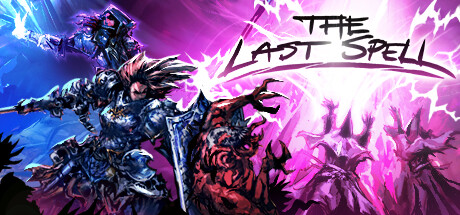
Excellent art and visuals: The art style and visuals receive high praise, with reviews calling them excellent, impressive, and polished. The game looks good and has a very neat appearance.
Atmosphere and setting praised: Multiple reviews mention that the atmosphere, setting, and overall aesthetic are very good. This contributes to the immersive quality of the game.
Common complaints
Missions are too long: Players consistently report that individual missions and full runs take 2-10+ hours, making the game feel tedious and discouraging replay.
Game is tedious and boring: The game becomes tedious, boring, and frustrating with no sense of progress, especially in the late game.
Balance is poor: The game suffers from poor balance, making it unbalanced and not fun to play.
Meta progression is weak: The meta progression system provides minimal advantages, feels boring, and includes annoying elements like small health bonuses, failing to make runs feel rewarding.
Gameplay is repetitive: The gameplay is repetitive, with the same scenarios and enemies, making it unrewarding and boring.
Gameplay and performance
Roguelike tower defense hybrid: The game combines roguelike meta-progression with turn-based tower defense mechanics, featuring randomized heroes, perks, and gear each run.
Turn-based tactical combat: Combat is turn-based with tactical elements, including hero abilities, AOE attacks, and horde clearing against waves of enemies.
Progression and meta systems: The game features a global meta-progression system with skill trees, stat upgrades, and permanent buffs, alongside local progression that resets each run.
Hero recruitment and team building: Players recruit heroes from a tavern, starting with a limit of 3 and expanding to at least 8, with talent trees and synergy systems.
Randomized hero roster: Each run features a randomized selection of heroes with unique talents, skills, and gear, encouraging replayability.
Frequent game crashes: Multiple players report crashes every 3-10 minutes or non-stop, including at the final rotation and end of tutorial cutscenes. Stability is worse than modded Skyrim.
Low FPS and poor performance: Players on non-ancient hardware report framerates as low as 20 FPS, with performance degrading over time to 15 FPS. The game looks low-spec but runs poorly.
System freezes and input issues: The game causes system freezes, requiring multiple resets to recover, and triggers input issues, especially on Linux.
High CPU usage: The game maxes out the CPU, causing high resource usage and contributing to overall poor performance on capable systems.
Reported on high-end hardware: Crashes and performance issues occur even on top-tier hardware like the 9950x3d and 9070xt, indicating severe optimization problems.
Recommendations
Not recommended overall: Most clusters explicitly state they do not recommend the game to others. Common phrasing includes 'I just can't recommend it' and 'Would not recommend to a friend', indicating a strong general negative sentiment.
Time investment too high: Several reviews highlight that the game requires too much free time or is not suitable for working adults or players with limited time. The long campaigns and grind make it a poor choice for busy people.
Only for niche audiences: The game is repeatedly described as only suitable for specific player types, such as masochists, those who enjoy grinding, or fans of difficult/challenging games like Fire Emblem on hard mode.
Not worth standard price: Multiple clusters indicate the game is not a good value at full price or even when discounted. Some recommend waiting for a sale, while others say it's not worth buying at any price.
Technical issues present: Specific technical complaints include a controller mode bug, poor developer support, a save issue, and the developer adding playtime to prevent refunds. These affect reliability.
Buying context
Community fair range: $10.00 - $15.00.
Game completion: 200.0h.
Story completion: 80.0h.
Session length: 5.0h.
The Last Spell becomes engaging after an initial 2-hour learning phase once players accumulate basic meta-progression and understand the complex interplay of systems; the early game is often described as tedious and confusing, but unlocks and knowledge drive a satisfying gameplay loop.
Reported time to anchor: 2h.
Friction: steep learning curve due to complex systems; lack of meta-progression at start; random hero roster making early runs unpredictable; confusing UI and unclear attribute explanations; long single-run commitment with potential wasted effort.
Player profiles
Tactical Build Crafter: Analyzes every weapon, skill, and trait combination; experiments with diverse hero loadouts; optimizes defense layouts based on enemy patterns. Motivation: Crafting powerful, synergistic builds and discovering new effective combinations. Stance: buy.
Hardcore Endurance Player: Plays long sessions (often 2-9 hours per run); accepts failure as part of the learning process; methodically plans every turn and base layout; grinds metaprogression to overcome hurdles. Motivation: Mastering the game's difficulty through persistence and strategic improvement across runs. Stance: buy.
Frustrated Casual Player: Tries the game casually, gets stuck at early difficulty spikes, grows frustrated with long runs that end in failure, and quits. Motivation: Initially drawn by the tactical/roguelike blend, but quickly turned off by grind and high time investment. Stance: no buy.
Platform notes
Game performance varies significantly by VRAM, with lower tiers experiencing slowdowns and crashes, while high-end VRAM also faces poor optimization.
Windows <8GB VRAM: positive. Users with less than 8GB VRAM report good performance overall, though it can drop significantly during heavy enemy encounters.
Windows 8-11GB VRAM: negative. Users with 8-11GB VRAM consistently report freezing, crashes, and high CPU usage, making the game unplayable.
Windows 12-15GB VRAM: positive. Users with 12-15GB VRAM report smooth performance with occasional crashes in large battles, but generally playable.
Steam Deck: The game has significant problems on Steam Deck: broken controller support, unreadable UI text, and occasional crashes. While some users achieve playability with community templates and tinkering, the overall experience is problematic and unreliable.
Extra review signals
Monetization: The game uses a traditional DLC model with no microtransactions, pay-to-win elements, or real-money gambling. While some players find the DLC overpriced and dislike that achievements are tied to purchased content, the overall sentiment is that the base game is complete and the DLC is optional. The monetization approach is standard for a single-player title, not predatory.