- Exceptional gameplay depth and variety
- Stunning pixel art and immersive atmosphere
- High replayability with addictive loop
- Poor tutorial and guidance for new players
- Clunky UI and controls hinder experience
- Unreliable save system causes crashes
Emotions
What players like:
Common complaints:
Gameplay feedback:
Performance notes:
Recommendations:
Other player notes:
Similar games
Blend with other games







Review evidence
Why players say this
Review evidence
Why players say this
What players like
Exceptional gameplay depth and variety: The game combines roguelike, tower defense, RPG, and dungeon-crawling elements into a cohesive and replayable experience. Players praise its strategic depth, varied hero abilities, and procedural generation, ensuring no two runs feel the same.
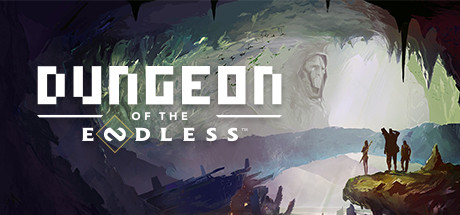
Stunning pixel art and atmosphere: The game’s retro-inspired pixel art, detailed animations, and atmospheric lighting are widely praised. The visuals are complemented by a legendary soundtrack that enhances immersion and mood.
High replayability and addictive loop: The game’s roguelike structure, randomized dungeons, and unlockable heroes create a highly replayable experience. Players frequently mention the 'just one more try' appeal, with some logging 40+ hours in short periods.
Challenging but fair difficulty: The game’s difficulty is a major highlight, offering a punishing yet rewarding experience. Players appreciate the lack of hand-holding and the sense of accomplishment from overcoming tough challenges, even on lower difficulty settings.
Strong resource management system: The game’s resource management (e.g., FIDS: Food, Industry, Dust, Science) is a core mechanic that adds strategic depth. Players must balance present and future needs, with every decision feeling impactful.
Common complaints
Poor Tutorial and Guidance: The game lacks a proper tutorial, leaving players to figure out mechanics on their own. Many reviews highlight unclear or missing explanations for critical gameplay elements, making it unfriendly for beginners.
Misleading Difficulty Labels: Difficulty settings like 'Easy' and 'Too Easy' are deceptive, as they are actually quite challenging. Players report frustration due to unexpected difficulty spikes and punishing mechanics.
Unbalanced and Overpowered Mechanics: Later floors and modules become unbalanced, with some heroes or strategies being overpowered while others are useless. This disrupts gameplay fairness and enjoyment.
Clunky UI and Controls: The user interface and controls are described as outdated, unintuitive, and clunky, especially under pressure. Poor pathfinding and hero management add to the frustration.
Poor Multiplayer Implementation: Multiplayer is plagued by bugs, crashes, and coordination issues. Features like save systems or reconnect options are missing, making co-op frustrating and unreliable.
Gameplay and performance
Door-Based Turn System: Opening doors advances turns, triggering resource gains, enemy spawns, or events. This mechanic balances risk/reward and structures progression in a turn-based framework.
Roguelike-Tower Defense Hybrid: The game blends roguelike mechanics (permadeath, procedural generation) with tower defense elements (defensive structures, enemy waves). Players navigate dungeons while managing resources and defenses in a turn-based or real-time hybrid system.
Procedural Dungeon Generation: Dungeons are randomly generated with 12+ floors, varying room layouts, and dynamic events (e.g., merchants, enemies, resources). This ensures replayability and emergent gameplay challenges.
Co-op Multiplayer Focus: Supports 1-4 players in cooperative mode, emphasizing shared resource management and teamwork. However, the lack of a pause feature in multiplayer increases stress during critical moments.
Autonomous Hero Combat: Heroes attack enemies automatically, with players focusing on positioning and ability timing. This simplifies micro-management but may reduce direct combat control.
DirectX 9 requirement for stability: The game often fails to launch or strains systems unless forced to run in DirectX 9 mode. Players must use startup flags (-force-d3d9) or manually adjust files to avoid crashes.
Frequent game crashes and freezes: Players report consistent crashes to desktop, micro-freezes, and system-wide freezes affecting other applications. Crashes occur during startup, multiplayer, and floor transitions, often leading to save file loss or unrecoverable game states.
Multiplayer connection instability: Multiplayer sessions suffer from frequent crashes, hangs, and connection issues, with some players experiencing disruptions in 1 out of 8 games. Menu lag after lobbies is also reported.
System resource strain: The game can hard-chug entire computers, seizing systems at launch or during gameplay. However, post-update reports and Steam Deck performance indicate improvements in efficiency.
Performance issues on modern hardware: Modern systems experience crashes, poor FPS due to PhysX, and frame rate drops in crowded scenes. Older machines, however, may run the game more smoothly.
Recommendations
Highly recommended for roguelike fans: The game is frequently recommended for fans of roguelikes, tower defense, and hybrid genres due to its replayability, unique mechanics, and strategic depth. Many reviewers highlight its value for fans of challenging and immersive experiences.
Best enjoyed in co-op mode: Reviewers consistently suggest that the game is more enjoyable when played with friends, emphasizing its co-op mechanics and dynamic gameplay. Solo play is less recommended due to potential frustrations.
Avoid multiplayer frustrations: Multiplayer is discouraged due to issues like enemy scaling and lack of recovery mechanics, which can lead to a frustrating experience. Solo or co-op modes are preferred.
Not for long-term engagement: While the game is praised for short-term enjoyment and replayability, some reviewers note that it lacks depth for long-term engagement, making it better suited for casual or off-and-on play.
Steep learning curve requires guides: New players are advised to use tutorials, guides, or online resources to understand the game’s mechanics and strategic depth. The lack of a comprehensive tutorial is a common critique.
Platform notes
Steam Deck: The game exhibits significant technical barriers on the Steam Deck, primarily stability issues (frequent crashes and freezes leading to save data loss) and unreadable UI text. While controls are functional with workarounds, they are not optimized for the device. The outdated UI further detracts from the experience, though it does not fully break gameplay. The most critical issue is the instability, which directly impacts playability.
Extra review signals
Monetization: The game employs a fair and transparent DLC model, with users praising its affordable pricing, optional nature, and inclusion of free content. There are no indications of predatory monetization tactics such as pay-to-win, gacha mechanics, or aggressive microtransactions. Minor concerns about Day-1 DLC and content gating exist but do not significantly impact the overall positive monetization experience. The game is enjoyable without DLC, and the monetization strategy is respectful of players.
External guides: The user feedback highlights a critical dependency on external resources (wikis, guides, and spreadsheets) to understand and navigate core game systems. The most frequent and impactful complaints revolve around the lack of in-game instructional data, which forces players to rely on external sources for basic mechanics, item explanations, and character abilities. This creates a steep learning curve, particularly for new players, and contributes to fatigue due to the time investment required. While the game's depth is appreciated, the absence of adequate in-game guidance significantly detracts from the user experience.
Other review notes
Comparisons to other games: Frequent comparisons were made to *Stellaris*, *FTL*, and other Amplitude Studio titles like *Endless Legend*, highlighting shared mechanics or universe elements.
Accessibility and privacy concerns: Players reported issues with accessibility features and privacy/data collection practices. Some reviews also mentioned acquiring the game for free, which may indicate distribution or promotional concerns.
Community-driven development: The developer’s approach to involving the community via GAMES2GETHER and voting on features was praised for fostering engagement and replayability.
Founder Pack incentives: The Founder Pack was noted for offering discounts on *Endless Space* and its expansions, along with exclusive community badges and factions.
Historical and legacy context: Reviews highlighted the game’s age (10+ years) and its evolution, including comparisons to its sequel’s shift toward an action roguelike format.