- Masterful, strategic, satisfying martial arts combat
- Superb pixel art and aesthetic design
- Outstanding value for its price
- Shallow roguelike mechanics and content
- High difficulty with uneven progression
- Foresight mode aids strategic practice
Emotions
What players like:
Common complaints:
Gameplay feedback:
Performance notes:
- -
No data available
Recommendations:
Other player notes:
Similar games
Blend with other games






Review evidence
Why players say this
Review evidence
Why players say this
What players like
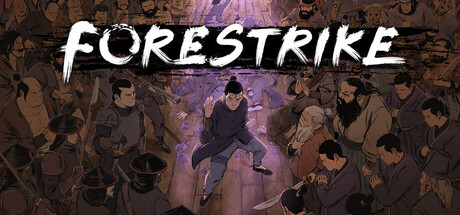
Masterful, Strategic, Satisfying Combat: Players consistently praise the game's core combat as a unique, creative, and highly satisfying puzzle-like experience. It rewards strategic thinking, precise timing, and offers a deep sense of achievement upon mastery, moving beyond mindless action. The 'real mode' and tension of perfect execution are highly valued.
Superb Pixel Art & Aesthetics: The game receives high praise for its masterful and gorgeous pixel art style, with specific mentions of well-done environments, character portraits, and skill illustrations. The visuals contribute significantly to the game's overall appeal and cinematic feel.
Outstanding Value for Price: Reviewers overwhelmingly feel the game is significantly underpriced for the quality and content it offers, describing it as an 'indie gem' and a 'steal.' Many suggest it would still be worth it at double the current $10 price point.
High-Quality Demo Available: The demo is noted for setting accurate expectations for the full game and allowing players to effectively determine their enjoyment before purchase. Progress from the demo also carries over, providing a seamless transition.
Surprisingly Strong Narrative: The game features unexpectedly well-developed writing, a great cast of characters with cool story arcs, and masterful storytelling. The narrative progression is effectively integrated, drawing comparisons to Hades for how it justifies repeated playthroughs and character development.
Common complaints
Shallow Roguelike Mechanics & Content: The roguelike design feels immature and tacked-on, failing to provide the depth, variety, or engaging progression expected of the genre. Players criticize the limited zones, enemy types, and repetitive runs, alongside an underdeveloped skill and item system that offers little meaningful meta-progression, impactful unlocks, or diverse early-game options.
High Difficulty & Uneven Progression: Players report the game's difficulty is excessively high and unevenly distributed, with scarce early-game rewards hindering progress. The short build-up cycles per stage, high variance in route rewards, and specific unreasonable level designs (e.g., fragile peddler missions) contribute to a frustrating and punishing progression curve.
Foresight System Flaws: The core 'Foresight' pre-enactment system is widely criticized as ineffective and frustrating. Players report that successful simulations don't reliably translate to real combat due to AI changes, unpausable real-time action, and death from minor mistakes, leading to a system that feels meaningless and heightens player anxiety rather than alleviating it.
'Monkey Style' Overpowered: The 'monkey style' gameplay is reported to be excessively powerful, allowing players to trivialise the game with just a couple of basic moves. This imbalance creates an unintended easy mode, undermining the intended challenge and potentially reducing player engagement.
Lack of In-Combat Information: Players are unable to access details about status effects during combat, which limits their understanding of their own abilities or enemy debuffs. This lack of crucial information can lead to strategic missteps and potentially ruin a run.
Gameplay and performance
Foresight mode for strategic practice: The game's core innovation is its 'Foresight' or 'Prescience' mode, allowing players unlimited attempts to pre-enact battles, learn enemy patterns, perfect attack/defense choreographies, and allocate resources without consequence. This system enables players to develop optimal strategies mentally before engaging in real, high-stakes combat where mistakes are punished.
Diverse martial arts combat: The game features a real-time, side-scrolling martial arts action combat system, often described as a 'fighting-puzzle.' Players utilize basic techniques like blocks, dodges, and light/heavy attacks, augmented by five distinct martial art schools (e.g., Flying Leaf, Cold Eye) each offering unique playstyles focused on evasion, parrying, speed, or unpredictable moves.
Real combat demands execution: Despite extensive practice in 'Foresight' mode, real combat introduces a significant mental challenge and requires perfect real-time execution. Mistakes made in actual battles lead to run failure, highlighting that practice doesn't guarantee success and players must translate rehearsed strategies into flawless action. This creates a goal to master the game without reliance on foresight.
Roguelike progression and structure: The game incorporates roguelike elements, including tower-climbing with route selection, three-choice ability upgrades, and bonfire-style leveling between encounters. It's structured across four distinct chapters, each culminating in a fixed boss, providing a clear progression path within its real-time tactical framework.
High default difficulty, adjustable: The game presents a significant challenge from the outset, appealing to players who enjoy demanding combat experiences. While the default difficulty is not minor, players have the option to adjust settings like health and resources to aid progression if they struggle, offering a degree of accessibility.
Recommendations
Highly Recommended Title: Many players strongly recommend this game, noting its value for the price and overall enjoyment. It's considered a worthwhile purchase for most.
Niche Genre Appeal: The game is highly recommended for fans of roguelikes, real-time tactical games, and kung fu themes. It rewards strategic thinking over pure reflexes, making it ideal for a discerning audience.
Niche Design, High Difficulty: The game is described as creative but niche, appealing to specific players due to its narrow problem-solving methods and challenging difficulty. Some reviewers personally do not recommend it for a broader audience.
Optimizing Gameplay Experience: Players offer tips to enhance gameplay, such as experimenting with different builds and using built-in modifiers. It's also recommended not to rely on the pre-enactment feature to foster real-time reactions and reduce frustration.
Overlooked, Needs Visibility: Players feel the game is currently overlooked and deserves more recognition. They believe it's a hidden gem that more people should discover and try.
Other review notes
Review game's pricing: Players feel the current $10 price is too low, suggesting a price point of $20-25. This indicates a high perceived value for the game.
Vary difficulty/game modes: Players desire both more challenging enemies (e.g., those that interrupt pre-enactment) and a simpler mode where successful pre-enactment automatically passes the level. This highlights a need for difficulty customization or varied game modes.
Add creative workshop: There is a strong desire for a creative workshop feature. This suggests players are interested in user-generated content and tools to extend the game's replayability and community involvement.
Address DEMO save conflict: Players who previously played the DEMO might encounter issues accessing the full game due to conflicting save files, requiring manual deletion of old DEMO saves. This is a critical technical barrier for some users.
Implement quick restart: Players desire a quick restart option after defeat. This is a quality-of-life improvement that would streamline the gameplay loop and reduce player friction.