- Excellent turn-based tactical combat
- Addictive and deep gameplay
- Beautiful pixel art style
- Repetitive gameplay and content
- Little content for price
- Unbalanced and random upgrades
Emotions
Archetypes
Hardware
What players like:
Common complaints:
Gameplay feedback:
Performance notes:
Recommendations:
Other player notes:
Similar games
Blend with other games






Review evidence
Why players say this
Review evidence
Why players say this
Steam review verdict
Excellent turn-based tactical combat and beautiful pixel art offer deep addictive gameplay, but repetitive content, unbalanced and random upgrades, and high price hold it back.
What players like
Excellent turn-based combat: The turn-based combat is well-designed, engaging, and flows smoothly, providing tense decision-making and satisfying tactical planning.
Addictive gameplay: The game is described as highly addictive, with players finding it hard to put down due to its engaging mechanics and challenging nature.
Varied characters and playstyles: Players appreciate the multiple characters, each offering unique playstyles that enhance replay value and gameplay variety.
Simple yet deep gameplay: The core mechanics are simple and intuitive, but offer surprising depth and strategic complexity, making the game easy to learn yet hard to master.
Great soundtrack and music: The soundtrack is praised for being immersive and memorable, with great themes that enhance the overall experience, though some find it repetitive.
Common complaints
Repetitive gameplay and content: Players frequently mention that the game becomes repetitive after multiple runs, especially in late game, with repeated routes, locations, enemies, and bosses. The core loop feels tedious and stressful after extended play.
Little content for price: There is too little content for the full price, with limited amount of content overall. Players feel the game does not offer enough value.
Insufficient gold income: Gold income during runs is insufficient, leading to forced trade-offs between buying from the shop and upgrading abilities. Players feel they cannot afford both.
Random weapon upgrades: The weapon upgrade system is too random, making success heavily reliant on luck. Players find it frustrating when upgrades do not align with their build.
Unbalanced weapons: Weapon design is unbalanced, with some weapons being much stronger than others. Ranged weapons in particular are noted as unbalanced.
Gameplay and performance
Turn-based tactical combat: The game emphasizes turn-based tactical combat, requiring careful planning and positioning. Players manage actions per turn and utilize tile-based mechanics, similar to chess or Into the Breach.
Roguelike variety and progression: As a roguelike, the game offers procedural runs, character variety, unlockable items, and build diversity. This encourages replayability through unlocking new weapons, skills, and characters.
Roguelike with deckbuilding elements: The game combines roguelike structure with deckbuilding mechanics, where players build and manage a deck of cards over multiple runs. This hybrid is frequently compared to Slay the Spire.
Puzzle-like tactical gameplay: The combat is often described as puzzle-like, requiring players to solve tactical challenges each turn. This approach creates a cerebral experience akin to chess puzzles or shogi.
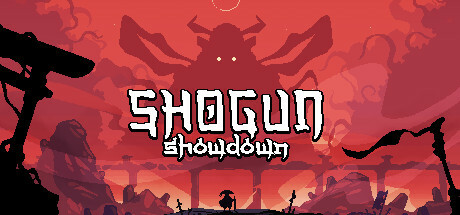
Pixel art style: The game features a retro pixel art style, which appeals to fans of classic aesthetics. The visual design is often highlighted in reviews.
Smooth and consistent performance: Multiple players note smooth performance throughout the game, with no stuttering or slowdown. Performance on standard PCs is also rated as perfect.
Low system requirements and usage: The game runs on low-spec hardware and has low performance usage, making it accessible to a wider range of players. No input delay was reported.
Corrupted save file on death: One user reports that dying corrupts the save file, which is a serious stability bug that can cause significant progress loss.
Poor optimization concerns: A single complaint about poor optimization stands out against the otherwise positive performance feedback, suggesting an isolated issue or specific hardware conflict.
White screen flash issue: A white screen flash upon death is mentioned, likely related to the save corruption issue or a separate display bug.
Recommendations
Ideal for roguelike deckbuilder fans: The game is strongly recommended for fans of tactical roguelikes and deckbuilding genres, comparing favorably to titles like Slay the Spire.
Exceptional value for money: Many reviews highlight the game as worth every penny, offering great value even at full price.
Better purchased on discount: Several reviews advise waiting for a sale before buying, as the full price may not be justified.
High universal recommendation: A large number of users give an unreserved strong recommendation, calling it one of their favorites or a must-buy.
Excellent turn-based tactical experience: Players who enjoy turn-based tactics games will find this game highly engaging and recommendable.
Buying context
Community fair range: $10.00 - $15.00.
Session length: 0.5h.
Shogun Showdown hooks players immediately from the first run but fun declines after about 5-10 hours due to repetitive content and grindy progression.
Friction: Repetitive bosses and enemies after a few hours; Slow meta-progression requiring many tokens for unlocks; Garbage weapons pollute the pool and reduce build viability; Difficulty spikes at later days with low margin for error; No undo or backtracking to correct mistakes.
Unlock drivers: Unlocking new characters and tiles adds variety; Mastering strategic flow and positioning; Building effective synergies between upgrades.
Player profiles
Tactical Puzzle Master: Carefully plans each move, considers enemy patterns and future turns, and aims to minimize damage while maximizing efficiency. Motivation: Mastery of the tactical combat system through careful planning and optimization of every turn. Stance: buy.
Casual Quick-Session Player: Plays a run or two casually, often while multitasking, and does not aim for high difficulties or completionism. Motivation: Fun in short bursts without heavy time investment or frustrating difficulty spikes. Stance: sale.
Completionist Grinder: Systematically pursues achievements, experiments with forced builds, and grinds for specific unlocks even when it becomes tedious. Motivation: Achieving 100% completion, including all achievements and unlocking every upgrade. Stance: deep sale.
Platform notes
Windows 12-15GB VRAM users report smooth performance without stuttering or slowdown.
Windows 12-15GB VRAM: positive. Users with 12-15GB VRAM report no stuttering or slowdown, with smooth gameplay.
Steam Deck: Alina of the Arena performs very well on Steam Deck for most users, earning frequent praise as a perfect port. Isolated reports of screen flickering and the lack of native controller support introduce minor friction, but no forced Proton or launcher workarounds are needed. Overall, the experience is nearly seamless with small caveats.
Linux and Proton: The game enjoys excellent Linux/Proton compatibility. All sampled reviews report flawless operation without any launch options, Proton version switching, or workarounds. The game also runs perfectly on Steam Deck, serving as additional evidence of solid Linux support.
Other review notes
Developer appreciation and optimism: Players express appreciation for the developers and eagerly anticipate future content such as DLCs or sequels. This positive sentiment reflects strong community engagement and trust in the developer's direction.