- Engaging yet repetitive and frustrating gameplay
- Striking and unique art style
- Flawed combat mechanics
- Punishing death mechanics
- Ineffective upgrade and item systems
- Repetitive enemy and boss design
Emotions
What players like:
Common complaints:
Gameplay feedback:
Performance notes:
Recommendations:
Other player notes:
Similar games
Blend with other games




Review evidence
Why players say this
Review evidence
Why players say this
What players like
Engaging & Fairly Challenging Gameplay: Players consistently praise the game's core gameplay loop, highlighting its challenging yet fair difficulty curve. The simple, tight mechanics are easy to learn but require mastery, providing a satisfying and addictive experience across varied levels and enemy encounters.
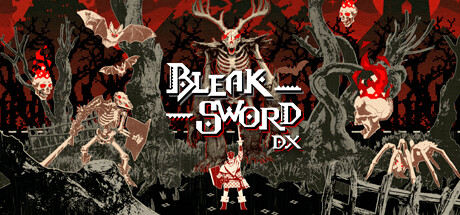
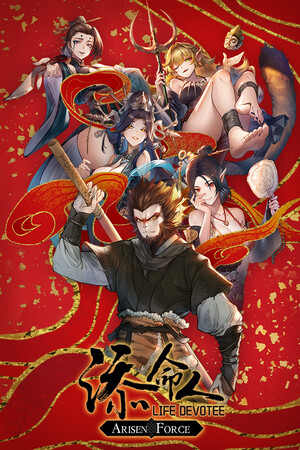
Striking & Unique Art Style: The game receives high marks for its distinctive and beautiful art style, particularly its unique blend of pixel art, 3D environments, and a limited color palette (black, white, and red). This aesthetic creates a memorable and immersive atmosphere.
Diverse & Strategic Enemies: The game features a strong variety of enemies and bosses, each with unique move sets and requiring specific strategies. This diversity keeps combat fresh and challenging, encouraging players to learn and adapt.
Tight & Satisfying Combat: Combat is frequently lauded for being tight, fluid, and satisfying. Its simple yet effective mechanics, including parrying, dodging, and strategic attacks, make each encounter engaging and rewarding, especially when mastering timing.
Rewarding Parry Mechanic: The parry mechanic is a standout feature, described as incredibly rewarding and satisfying. It allows for strategic counterattacks, stamina regeneration, and brief invulnerability, making it a core part of the enjoyable combat flow.
Common complaints
Repetitive & Frustrating Gameplay: Many players found the game's overall design, especially its progression and difficulty curve, to be frustrating and repetitive. The constant need to replay levels due to severe death penalties and the lack of meaningful variety in gameplay made the experience feel like a chore rather than enjoyable.
Flawed Combat Mechanics: The core combat mechanics, particularly the parry system, were widely criticized for being ineffective or outright useless against a large portion of enemies and bosses. This, combined with inconsistent hitboxes and unfair enemy attack patterns, led to a feeling of combat being unpolished and frustrating.
Punishing Death Mechanics: The game's death penalty system, which results in the loss of all unspent experience and collected items, was a major point of contention. This mechanic forces excessive grinding and makes progression feel punishing rather than rewarding, especially given the game's high difficulty.
Ineffective Upgrade & Item Systems: The upgrade and item systems were largely seen as ineffective and unimpactful. Players felt that stat upgrades, especially for defense and HP, made little noticeable difference, and items were too rare, offered negligible benefits, and were lost upon death, rendering them pointless.
Overwhelming Enemy Density: A significant number of players reported being overwhelmed by excessive enemy density, particularly in later stages and specific modes like Arena. This 'mob-stacking' often led to unavoidable damage and forced players into repetitive dodge-spamming rather than strategic combat.
Gameplay and performance
Simple yet challenging combat: The game features simple yet challenging combat mechanics, primarily revolving around basic attacks, parrying, dodging, and blocking. While easy to understand, mastering these mechanics, especially timing parries and dodges, is crucial for progression and overcoming the game's difficulty.
Death penalty and recovery: Players lose all accumulated XP and items upon death. However, these can be recovered by successfully clearing the same level on the very next attempt. Failing again results in permanent loss of these resources, encouraging careful play and strategic re-attempts.
Structured world progression: The game is structured into 12 worlds, each containing multiple stages (typically 10-12), culminating in a boss fight. Difficulty generally increases across worlds, and some bosses later reappear as regular enemies, adding variety to encounters.
Basic RPG progression: The game incorporates basic RPG elements, allowing players to level up and allocate points to improve Attack, Defense, or HP. This system, along with equipable items, helps players match enemy stats and can be leveraged through grinding previous levels.
Arena-based combat: Gameplay primarily consists of fighting waves of enemies in small, arena-like rooms or stages. Enemies often appear sequentially or in small groups, focusing the experience on combat encounters within contained environments.
Frequent game crashes: Players are experiencing frequent crashes, especially when loading new areas or during intense combat. This significantly disrupts gameplay and leads to frustration.
Clunky UI/UX: The game's user interface is clunky and difficult to navigate, particularly in inventory management and quest logs. Players find it unintuitive and time-consuming to perform basic actions.
Slow progression system: Many players feel the game's progression system is too slow, requiring excessive grinding for minimal rewards. This makes the overall experience feel unrewarding and tedious.
Minor visual bugs: There are numerous reports of minor bugs and glitches, such as character models clipping through objects or quest markers disappearing. While not game-breaking, these issues detract from immersion.
Aggressive monetization: Some players are expressing strong negative opinions about the game's monetization strategy, perceiving it as overly aggressive and pay-to-win. This appears to be part of a coordinated review-bombing effort.
Recommendations
Highly Recommended Overall: Many players highly recommend the game, praising its challenging nature and overall quality. Some provide specific numerical ratings, indicating strong positive sentiment, while a few express a neutral or slightly negative view.
Buy on Sale: Several players suggest purchasing the game only when it's on sale or through services like Apple Arcade, implying that the full price might not be justified for its content or experience.
Ideal for Soulslike/Roguelike Fans: The game is frequently recommended for fans of specific genres, particularly Dark Souls, roguelike, and old-fashioned arcade or console games. Its minimalist style also appeals to this niche.
Desire More Story/Lore: Players express a desire for more story and lore within the game, suggesting that the current narrative depth is insufficient and could be expanded in future updates or sequels.
Quick Playtime: The game is noted for being a quick play, suitable for passing time, with some players finishing it rapidly or even rushing to complete it to avoid replaying.
Other review notes
Short game length: Many players noted that the game is quite short, with an average completion time of around 6 hours. This indicates a small scope for the overall game experience.
Combat mechanics & tutorial error: There's a specific combat mechanic where attacks with an exclamation mark are unblockable. Additionally, the tutorial contains an error regarding stamina consumption for blocking, which can confuse players.
Mobile game origins: Players pointed out that the game originated as an Apple Arcade title, which implies a mobile-first design and a previous subscription model. This context might influence player expectations on PC.
VR mod availability: The game has a VR mod (UUVR) that is easy to install using Raipal. However, the mod is still in early development and not as robust as other VR mods like UEVR.
Niche genre appeal: Some players felt the game was misrepresented or that its genre might not appeal to everyone, specifically noting it is not a roguelike. This suggests a niche appeal.