- Addictive gameplay with high replayability.
- Distinctive nostalgic PS1-style graphics.
- Satisfying combat blends Soulslike, Roguelike genres.
- Good difficulty progression and unlocks.
- Lacks enemy and boss variety.
- Inconsistent and unforgiving parry mechanic.
What players like:
Common complaints:
Gameplay feedback:
Performance notes:
Recommendations:
Other player notes:
Similar games
Blend with other games




Review evidence
Why players say this
Review evidence
Why players say this
What players like
Fun, addictive, and replayable: The game is consistently praised for being fun, enjoyable, and addictive. Many reviewers highlight its replayability, good value for the price, and overall positive experience. Some reviewers specifically mention enjoying the game on Steam Deck.
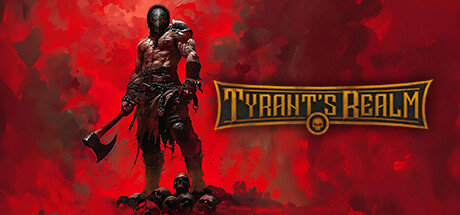
Nostalgic PS1-style graphics: The game's PS1-era graphics evoke a strong sense of nostalgia and contribute to its unique atmosphere. Reviewers appreciate the well-executed retro aesthetic, which enhances the dark fantasy immersion and sets it apart from other games.
Combines Soulslike and Roguelike genres: The game successfully blends Soulslike and Roguelike elements, often drawing comparisons to Dark Souls and Dead Cells. This combination creates a unique and enjoyable experience, making it accessible for newcomers to the Soulslike genre while still providing a challenge.
Satisfying and well-executed combat: The combat system is generally well-received, with responsive controls and satisfying feedback. Players appreciate the variety of weapons and armor, as well as the ability to experiment with different builds. The game's mechanics are easy to understand and enjoyable to play.
Good difficulty progression and unlocks: The game offers multiple difficulty levels and unlockable elements, encouraging further play and build planning. The meta-progression system, inspired by Dead Cells, enhances long-term player engagement. The game avoids artificial slowdowns or forced grinding, focusing on learning levels and boss patterns.
Common complaints
Lacks enemy and boss variety: The game suffers from a lack of enemy and boss variety, with repetitive designs, attack patterns, and re-use of enemies across different areas. This issue diminishes the sense of progression and reduces replayability, as encounters become predictable and monotonous. Some reviewers noted that bosses are easier than normal enemies.
Inconsistent and unforgiving parry mechanic: The parry mechanic is criticized for being inconsistent, having a very short timing window, and feeling unrewarding compared to other defensive options like blocking or dodging. Players find it difficult to execute parries effectively, leading to frustration and a reliance on alternative strategies. Some reviewers noted that bosses cannot be parried.
Lacks content, depth, replayability: Many reviewers feel the game lacks sufficient content, depth, and replayability, with a short main story and limited variety in items, levels, and builds. The game's length is considered too short for its price, and the lack of meaningful progression or endgame content diminishes long-term engagement. Some reviewers noted that the game feels like an early access title.
Repetitive and uninspired boss fights: Boss fights and combat encounters are repetitive due to simple attack patterns, limited mechanics, and a lack of engaging challenges. Bosses are often described as damage sponges with predictable routines, leading to boredom and a lack of satisfaction upon defeating them. Some reviewers noted that bosses are easier than normal enemies.
Weapons lack unique characteristics: Weapons and equipment lack meaningful differences, with similar movesets, stats, and effects, reducing build variety and player choice. Some weapons are considered useless or unbalanced, diminishing the incentive to experiment with different loadouts. Some reviewers noted that the game railroads players into specific builds.
Gameplay and performance
Souls-like combat, Roguelite progression: The game blends Soulslike combat with Roguelite progression, drawing notable inspiration from Dead Cells. This combination creates a gameplay loop where players navigate procedurally generated levels, battle enemies using familiar Souls-like mechanics (dodging, parrying, stamina management), and unlock new gear and upgrades through a meta-progression system.
Varied equipment with unique skills: The game features three equipment slots: weapon, armor, and shield. Each armor has unique active or passive skills that can affect a run. Shields provide support for blocking or parrying, with potential bonus side effects.
Item acquisition and upgrades: Players acquire items through enemy drops, chests, and blueprints that can be unlocked at the merchant. Altars are distributed throughout the maps, allowing for equipment upgrades differentiated by red, green, and yellow colors, adding a layer of customization.
Meta-progression via merchant tavern: The game incorporates meta-progression elements, allowing players to spend gold at a merchant's tavern between levels. This hub provides opportunities to unlock new equipment, restore health flasks, and choose the next destination, adding depth to the overall experience.
General positive/negative feedback: These points are too general to be useful. They lack specific details and don't provide actionable feedback.
Good performance on various hardware: The game is generally well-optimized and runs smoothly on a variety of hardware, including the Steam Deck and low-end PCs. Some users reported excellent performance without configuration, while others noted the need for brightness adjustments on the Steam Deck. The game also boasts a small download size.
PS1-era graphical style: The game's graphics are intentionally reminiscent of the PS1 era, which includes visual artifacts like texture glitching. This is a stylistic choice that may appeal to some players seeking a retro aesthetic.
Occasional bugs and performance dips: While the game generally performs well, some players have reported encountering bugs such as resolution issues, lag in specific areas, and falling through the ground. These issues may require adjusting settings or could indicate areas needing further polish.
Screen tearing reported; enable V-sync: Some players have experienced screen tearing, suggesting that enabling V-sync is recommended to improve visual smoothness.
Blue tint on CRT filter: The CRT filter has a blue tint that diminishes the intended gritty feel of the graphics, which may not appeal to all players.
Recommendations
Strongly recommended overall: Many reviewers recommend the game, often highly, citing its enjoyable gameplay and solid execution. Some recommend trying the demo first. Some reviewers use hyperbolic language to express their enjoyment.
Good value for the price: Many reviewers feel the game is worth its low price, often around $10, citing sufficient content and fun gameplay for the cost. Some suggest waiting for a sale if unsure, while others consider it a steal. Some reviewers mention the game is worth the price of admission by the first time you die.
Great for genre enthusiasts: The game is frequently recommended for fans of Soulslike and Roguelite games, with comparisons to Dark Souls and Dead Cells. Some suggest that newcomers to these genres may find it accessible, while others suggest playing the games that inspired it instead.
Needs further development/polish: Reviewers express hope that the developers will continue to support and improve the game, citing its potential. Some reviewers feel the game needs more balancing and polish.
Good for short sessions: The game is suitable for short, relaxing gameplay sessions. Some reviewers found the game addicting, while others found it quickly loses its appeal due to a lack of content and incentives.
Other review notes
PS1-style Soulslike/Roguelike blend: The game features a distinct PS1-era-inspired aesthetic, with visual filter options to enhance the retro look. It blends elements from both Soulslike and Roguelike genres, drawing comparisons to games like Dark Souls, Bloodborne PSX, and Dead Cells. The game is noted for being a minimalist take on these genres.
Potential for future content: Reviewers see potential in the game, particularly for fans of Souls-like games, and suggest future content could expand on this. Specific suggestions include adding stealth mechanics and a poise/stance system to deepen the combat and make armor more impactful.
Small scope limits potential: The game is noted for its small scope and file size, which some reviewers feel limits its potential. This may be a reflection of the development team's size or budget.
Notable/suspect animations: Some reviewers noted specific animations that stood out, such as the character's running animation and the merchant's hand-rubbing loop. These points are very specific but not necessarily constructive, so they receive a lower importance score.
Procedural worlds, roguelike runs: The game features procedurally generated dark fantasy worlds that change with each playthrough. The game's structure involves shorter runs with roguelike elements, primarily focusing on random equipment drops.