- Authentic Roman city-builder with historical accuracy.
- Deep, engaging gameplay for city-building enthusiasts.
- Immersive and beautiful city-building experience.
- Lacks guidance and clarity for new players.
- Frequent bugs, crashes, and progress loss.
- Clunky user interface and controls.
What players like:
Common complaints:
Gameplay feedback:
Performance notes:
- -
No data available
Recommendations:
Other player notes:
Similar games
Blend with other games






Review evidence
Why players say this
Review evidence
Why players say this
What players like
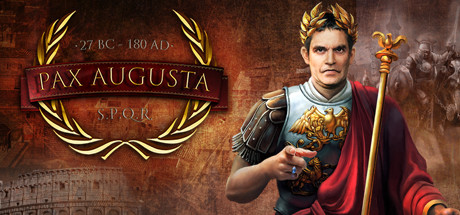
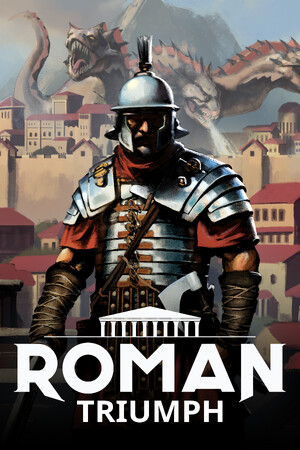
Historically accurate, authentic Roman city-builder: The game is praised for its historical accuracy and authenticity, particularly in its depiction of Roman city-building. Many reviewers compare it favorably to classic city builders like the Caesar series, highlighting its attention to detail and the immersive experience of building a Roman city. The fact that it was largely developed by a single person is often noted as particularly impressive.
Enjoyable, deep, and engaging gameplay: Reviewers find the game enjoyable and engaging, praising its depth, complexity, and well-designed systems. The game is considered promising, with a solid foundation and potential for further development. Many mention that the game is fun and rewarding once the mechanics are understood.
Immersive, beautiful city-building experience: The game offers a balanced and immersive city-building experience with beautiful graphics and building designs. Reviewers appreciate the ability to customize their city and the engaging experience of watching the citizens go about their daily lives. The monuments and buildings are visually appealing and create an impressive atmosphere.
Dedicated and responsive developer: The developer is praised for their dedication, responsiveness, and openness to community suggestions. Reviewers are impressed with the developer's work and commitment to supporting the game. This point reflects positively on the game's future and potential improvements.
Common complaints
Lacks intuitive guidance and clarity: The game suffers from a lack of intuitive guidance and clear direction. Players find it difficult to understand the mechanics, track progression, and optimize their economy due to inadequate tutorials, tooltips, and in-game help. This leads to frustration and a steep learning curve.
Bugs, crashes, and lost progress: Players report encountering various bugs, crashes, and a lack of save functionality. These technical issues can be game-breaking, leading to lost progress and an unplayable experience. The game's instability significantly diminishes the desire to continue playing.
Clunky UI and controls: The game's UI and controls are described as clunky, unintuitive and in need of significant improvement. Reviewers compare it unfavorably to other city builders, noting that the UI needs a rework to attract more players. This makes it difficult to manage the game effectively.
Performance issues and unoptimization: The game exhibits performance issues such as long loading times, unoptimization, and high RAM usage. These problems can make the game unplayable on some systems and detract from the overall experience. Some players have requested refunds due to these issues.
Unappealing graphics and art style: The game's graphics and art style are criticized for being unappealing, subpar, and strange. The overworld map is described as too dark and cloudy, and the game's overall aesthetic doesn't evoke joy or fit the expectations for a Roman setting. This detracts from the visual experience and immersion.
Gameplay and performance
Roman city-builder with political elements: The game is a Roman-era city builder emphasizing historical accuracy and political career progression. It differentiates itself by focusing on city development without military conflict, drawing comparisons to classic city-building sims like Pharaoh and Civ Rome.
Modular and customizable city design: The game features modular building design, allowing players to customize their city layouts. City development starts from a central hub, expanding with essential structures like houses, fountains, and food production facilities.
Food spoilage and seasonal production: Food spoils in storage and production depends on the season, requiring careful management. This adds complexity to resource management.
Find a pillar on overworld map: The game starts with an overworld map where the player needs to find a pillar. The initial instruction is to find a pillar and prevent bad things from happening.
Archives increase paperwork, risk corruption: Expanding the forum with archives increases paperwork processing, but also introduces the risk of corruption due to lost documents. This creates a trade-off between efficiency and potential problems.
Recommendations
Unplayable due to technical issues: Many reviewers are experiencing technical issues, such as the game being unplayable or not running as expected, leading to refund requests and a lack of core city-building gameplay. This prevents them from recommending the game in its current state and are waiting for patches.
Price not justified currently: Some reviewers feel the game's current price is not justified due to optimization problems and other issues. They suggest waiting for patches or improvements before purchasing, while others find the price well worth it despite the flaws.
Great for Roman city-builder fans: The game is highly recommended for fans of city-building games, especially those with an interest in Roman history or classic titles like the Caesar series. Reviewers praise its depth, realism, and the feeling of building a true Roman city, with some considering it a masterpiece and worth the price of a full Anno game.
Other review notes
Solo developer effort: The game was primarily developed by a single person, which is an impressive feat. This context is important for understanding the scope and potential limitations of the game.
Complex, confusing city-building twists: The game has unique city-building twists but is complex and potentially confusing, even for fans of the genre. This suggests a steep learning curve or unclear mechanics.
Active development, open communication: The developer is open to adding new mechanics and recommends joining the Discord channel. This indicates active development and a community-focused approach.
Personal connection to game: The reviewer expresses a personal connection to the game's development or release. This point is not related to the game itself.