- Excellent city builder experience
- Beautiful and immersive visuals
- Solid and balanced gameplay
- Poor optimization at high populations
- UI is clunky and outdated
- Tech tree progression frustratingly slow
Emotions
Archetypes
Hardware
What players like:
Common complaints:
Gameplay feedback:
Performance notes:
Recommendations:
Other player notes:
Similar games
Blend with other games


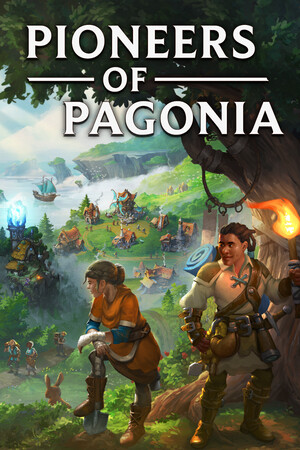
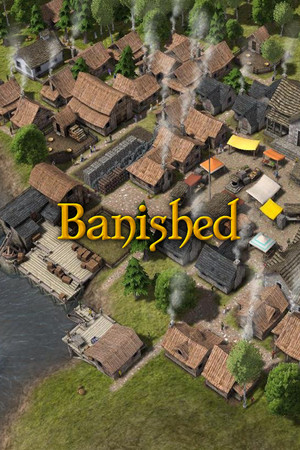
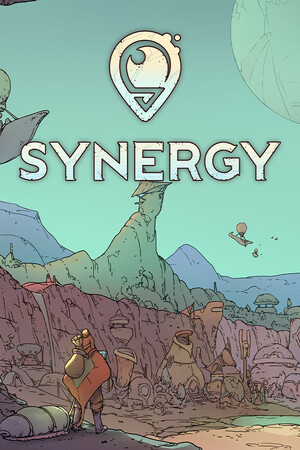

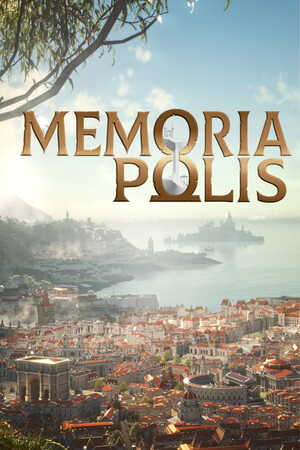

Review evidence
Why players say this
Review evidence
Why players say this
Steam review verdict
Excellent city builder with beautiful visuals and solid gameplay, but suffers from poor optimization at high populations, a clunky outdated UI, and frustratingly slow tech tree progression.
What players like
Excellent city builder experience: The game is repeatedly praised as a top-tier city builder with deep mechanics, resource management, and satisfying progression from wilderness to mansions. It is considered one of the best in the genre.
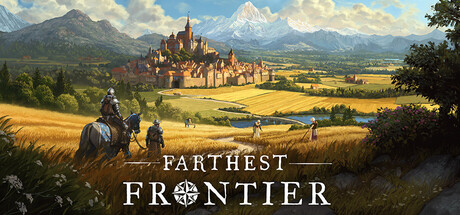
Beautiful and immersive visuals: Players consistently highlight the game's stunning graphics, detailed environments, and atmospheric presentation. The visuals are considered among the best in the genre.
Solid and balanced gameplay: The game is described as well-crafted, enjoyable, and fun to play, with a satisfactory balance of systems. It has a solid foundation and shows promise.
Engaging and addictive gameplay: Players find the game highly engaging and addictive, often losing track of time. It offers a compelling experience that keeps players coming back.
Relaxing and enjoyable gameplay: The game provides a relaxing experience suitable for casual play and unwinding. It is also described as a good time-filler with engaging, yet calm, gameplay.
Common complaints
UI is clunky and outdated: Reviewers describe the UI as horrible, clunky, and feeling 15 years outdated, with little thought put into it. This is a widespread complaint affecting usability across the entire game.
Tech tree progression is frustratingly slow: The tech tree is criticized for slowing down an already slow-paced game, generating knowledge points too slowly, and lacking organization or specialization. This represents a major balance issue that affects overall pacing.
Terrain flattening tools are broken: The terrain flattening system refuses to work properly, lacks raise/lower options, and scuffs surrounding terrain, frustrating players who want to build on flat ground. This is a specific gameplay mechanic in need of repair.
Lack of faster speed options makes game sluggish: The maximum game speed feels too slow, and players request a 5x speed option to make progress feel more rewarding. This affects pacing and enjoyment.
Gameplay becomes repetitive over time: Players find the gameplay repetitive and lacking variety, leading to boredom. This suggests a need for more diverse activities or events to sustain engagement.
Gameplay and performance
City builder with survival: The game is primarily a medieval city-building simulator with survival elements, focusing on settlement growth, resource management, and production chains. Players build and manage a village that can grow into a city, with an emphasis on planning and expansion.
Combat against raiders: Combat is a significant part of the game, involving defense against raiders and other threats. Players must build military structures like barracks and towers and manage soldiers to protect their settlement from attacks.
Tech tree progression: The game features a detailed technology tree with tiers and branches, allowing players to unlock new buildings and mechanics. Research and tech points are used to progress through different development stages.
Villager jobs and needs: The game involves managing individual villagers, each with specific jobs and needs such as food and water. Players can control villagers manually and must respond to their requests to ensure survival and growth.
Logistics and production chains: The game emphasizes logistics and production chains, requiring careful planning of storage and resource flow. Players need to design efficient supply lines to support their settlement's growth.
Poor optimization at high populations: Multiple clusters report significant performance degradation as population increases, often becoming unplayable. This is the most frequent issue across all feedback.
Stuttering on high-end systems: The game stutters or experiences frame drops even on top-tier hardware like i9, 3080, or 983d/5080 systems, especially when population reaches 500-1000. This indicates scalability issues.
Late-game performance drops severely: Performance often degrades sharply in late-game or when city size becomes large, making the game unpleasant or unplayable. This is a common complaint even on powerful PCs.
Optimization improvements needed globally: Overall, the game is seen as poorly optimized, with issues not fixable by lowering settings or upgrading hardware. This is a widespread concern.
High CPU and GPU load: Some users report excessive CPU/GPU usage leading to overheating and loud fan noise, while others note low usage during frame drops, indicating inconsistent optimization.
Recommendations
Recommended for city builder fans: The game is highly recommended for fans of city builders, especially those who care about both aesthetics and economy. This includes players of games like Anno or Banished.
Game generally recommended: Many reviewers strongly recommend the game, giving it high praise and scores like 8/10. They find it exciting and worth its money.
Ideal for Banished fans: Players who enjoy Banished will likely love this game as it offers a modernized experience with similar mechanics. It is repeatedly recommended as a successor to Banished.
Not recommended currently: Some reviewers cannot recommend the game in its current state, suggesting it is unpolished or unready. This indicates potential issues with early access or unfinished features.
Good for management game lovers: The game appeals to fans of slow, thoughtful management and resource management games. It offers deep settlement building and micromanagement aspects.
Buying context
Community fair range: $10.00 - $20.00.
Game completion: 36.0h.
Farthest Frontier offers a highly addictive first ~20 hours of city-building challenge, after which the gameplay becomes repetitive and uninspiring, particularly in the late game.
Friction: Steep learning curve; Lackluster tutorial; Slow pacing; Confusing UI; Punishing early game; No clear objectives.
Unlock drivers: Learning game systems; Overcoming early challenges; Researching technologies; Upgrading town center; Building production chains; Facing new bottlenecks.
Player profiles
Relaxed Casual Builder: Prefers low difficulty, pacifist mode, and gradual growth without optimization pressure. Motivation: Relaxation and aesthetic enjoyment of watching a settlement prosper. Stance: buy.
Optimization Enthusiast: Plays on high difficulty, engages in meticulous min-maxing, micro-manages resources, and seeks efficiency under pressure. Motivation: Mastering complex systems and overcoming extreme challenges through optimization. Stance: buy.
Genre Veteran Critic: Critically analyzes systems and compares to genre benchmarks; expects depth, innovation, and polish before recommending. Motivation: Evaluating the game's design against established colony builders; seeking fresh mechanics and meaningful progression. Stance: no buy.
Platform notes
Most cohorts report significant performance problems, with severe crashes and frame drops on both low-end and high-end hardware, though some mid-range systems manage acceptable playability with caveats.
Windows 12-15GB VRAM: negative. Frequent crashes, poor frame times, and severe FPS drops overshadow gameplay; even recommended reviews report major performance issues.
Windows 8-11GB VRAM: positive. Mostly playable, but performance degrades with population growth, causing stuttering and lower FPS as cities expand.
Windows <8GB VRAM / 16-31GB RAM: mixed. Mixed experience: some report solid performance on lower-end PCs, while others face crippling lag, crashes, and very low FPS.
Steam Deck: The game shows significant UI scaling issues that hinder readability on Steam Deck and high-resolution displays, along with frequent crashes and performance problems including overheating. However, a subset of users experience smooth Proton compatibility and enjoyable gameplay on Linux/Steam Deck. Overall, the experience is mixed but requires considerable tinkering.
Linux and Proton: The game works very well on Linux/Proton, with the only notable issue being a startup hang under Proton 9 that is easily fixed by switching to Proton 8.0-5. All other reviews describe flawless performance.
Extra review signals
Monetization: The game's monetization relies on paid DLC, which some reviews criticize as overpriced and lacking content, while others appreciate the developer's responsiveness and reasonable pricing. No evidence of microtransactions, pay-to-win, or predatory mechanics was found. The complaints are about DLC value, not in-game purchases.
External guides: User reviews indicate a strong dependency on external data sources due to insufficient in-game documentation and complex mechanics. Inventory management is a particularly common pain point, with players citing the need for spreadsheets or external charts. The official wiki is noted as incomplete and maintained by fans, while the in-game encyclopedia is only accessible outside the game. Farming, trading, and other systems lack clear tutorials, forcing constant googling.
Other review notes
Frequent Banished comparisons highlight improvements: Many reviewers compare this game to Banished, describing it as a Banished-like city builder that expands, improves, and adds new mechanics while simplifying annoying parts. Some consider it a spiritual sequel or 'Banished 2.0' that goes further in multiple areas.
Comparisons with Manor Lords: Several reviews compare the game to Manor Lords, with mixed opinions. Some consider this game more complete and better, while a few prefer Manor Lords, particularly for tactical combat or visuals.
Early access and long development cycle: Reviewers note the game was in early access for around 3 to 4 years and has recently reached 1.0. Some mention buying it during early access and the game's evolution since then.
Ongoing updates and new content: The game has been consistently updated with new content and bug fixes over a 3-year period, including quality-of-life improvements. Reviewers appreciate the continuous development support.
DLC and mod support enhance game: Reviewers mention the game supports DLC and mods, with the first DLC already released and mod support improving the experience. There is a note about the game's DLC structure being appealing.