- Visually stunning and beautiful
- Addictive city-building gameplay
- Strong foundation and potential
- Frequent crashes plague gameplay
- Development pace too slow
- Not worth full price
Emotions
Archetypes
Hardware
What players like:
Common complaints:
Gameplay feedback:
Performance notes:
Recommendations:
Other player notes:
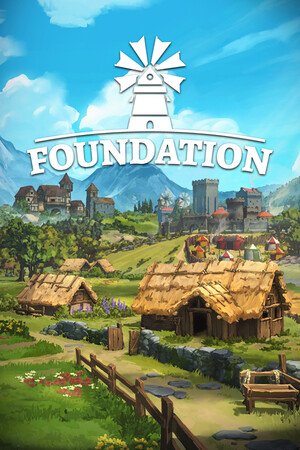
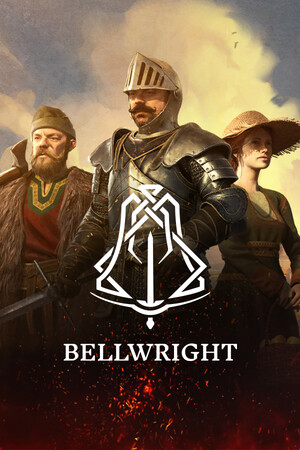
Similar games
Blend with other games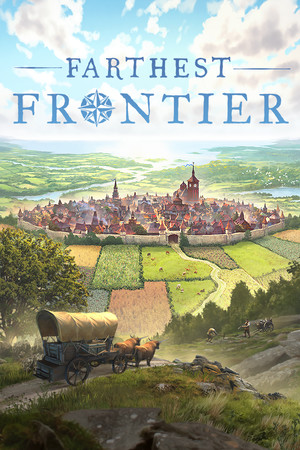




Review evidence
Why players say this
Review evidence
Why players say this
Steam review verdict
Visually stunning and addictive city-building with a strong foundation, yet frequent crashes, sluggish development, and a full price tag that feels unjustified hold it back.
What players like
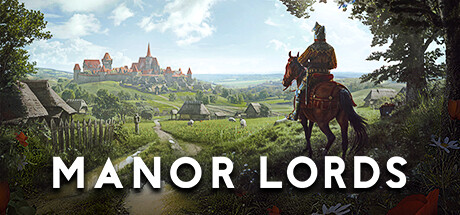
Visually stunning and beautiful: Players consistently praise the game's graphics, lighting, and overall visual appeal, calling it one of the prettiest in its category. The visuals are immersive and engaging, contributing to a rich aesthetic experience.
Strong potential and foundation: Many reviewers acknowledge the game's promising concept and solid foundation, believing it can become among the best in its genre. They see great potential in its direction and future updates.
Enjoyable and addictive gameplay: Players find the game fun, entertaining, and addictive, with engaging mechanics that provide hours of enjoyment. The gameplay is immersive and offers a satisfying experience.
Excellent city builder experience: The game is highly regarded as a city builder, praised for its historical accuracy, detail-rich environments, and atmospheric depth. It is considered one of the best and most beautiful in the genre.
Relaxing and rewarding builder: Players find the game both relaxing and rewarding, providing a calming yet satisfying building experience. It strikes a balance between leisure and achievement.
Common complaints
Game remains unfinished and buggy: Players consistently report the game as unfinished with numerous bugs and missing content. This is the most common complaint, indicating the game is not meeting expectations for completeness.
Development pace is too slow: Many players feel the game's development is progressing at an extremely slow pace. The lack of substantial updates over long periods has led to frustration and concerns about the game's future.
Early access is overextended: Players criticize the game for remaining in early access for an extended period without becoming feature-complete. There is a growing sentiment that the game is abandoned or will never reach full completion.
Pathfinding AI is broken: The AI pathfinding is severely bugged, causing NPCs to behave erratically. This issue can ruin playthroughs and is a major gameplay flaw.
Core mechanics lack depth: Players note that core gameplay systems are shallow or entirely missing. This lack of depth makes the game feel incomplete and unengaging.
Gameplay and performance
Core city-building gameplay: The game is fundamentally a city-building and management simulation, with players planning, constructing, and managing cities or settlements. This is the most consistently mentioned aspect across the feedback, making it the primary identity of the game.
Economy system depth: Players highlight a complex economy system with goods flow, markets, and import/export mechanics. This economic simulation is central to the gameplay loop.
Medieval setting emphasized: Players frequently describe the game as a medieval city-builder, emphasizing the historical theme and atmosphere. This setting is a key selling point and shapes the overall experience.
Resource management essential: Resource management is a core mechanic, involving collection, production chains, and allocation to sustain the settlement. This adds depth and strategic planning to the gameplay.
Includes combat features: The game features combat elements, including battles, raids, and military strategy, alongside the city-building focus. Players can defend against bandits and engage in tactical warfare.
Frequent crashes plague gameplay: Many players report the game crashing regularly, often every few minutes or after an hour of play. These crashes occur across various activities and updates, including after the latest update.
Performance drops with scale: As settlements grow in population and size, the game experiences significant FPS drops and stuttering, becoming unplayable at around 10 FPS for large cities. This trend is consistent across multiple reports.
Optimization issues widespread: Players frequently criticize the game's poor optimization, noting that it runs badly even on high-end systems and at low graphics settings. This is a common theme indicating underlying performance problems.
Updates worsen or fix performance: Some updates have introduced new bugs and performance slowdowns, while others have fixed FPS problems. Players have mixed experiences, with some seeing improvements and others facing new issues.
Game may be stable for some: A minority of players report no crashes or save file issues, with the game running flawlessly or well optimized. This indicates variability in user experiences.
Recommendations
Mixed recommendations overall: Reviews are split between strong recommendations and clear warnings. Many recommend the game for genre fans, while others advise against purchase in its current state.
Not worth full price: Multiple reviewers feel the game's current price is too high given its incomplete state. They suggest buying on sale or waiting for a price drop.
Not recommended currently: A significant number of players do not recommend the game in its present state due to missing features and stability problems. They suggest waiting for fixes.
Good for city builder fans: The game is highly recommended for enthusiasts of city-building and management simulations. Its economic depth and medieval setting appeal strongly to this audience.
Buy on sale: Several reviewers recommend waiting for a sale before purchasing. They feel the game is only worth its price when discounted.
Buying context
Community fair range: $15.00 - $25.00.
Game completion: 40.0h.
Story completion: 4.0h.
Session length: 4.0h.
Manor Lords delivers a deeply rewarding and addictive early game, but most players report that the experience becomes monotonous and repetitive after just a few hours, signaling a sharp drop in engagement.
Friction: Lack of a proper tutorial or in-game explanation; Unclear production and logistics chains; Steep learning curve for genre newcomers; Initial confusion about building and resource mechanics; Occasional bugs and crashes (e.g., oxen, trading, performance).
Unlock drivers: Learning the basic building and resource loops; Using community tutorials and guides; Gaining genre experience; Understanding the importance of layout and market placement.
Player profiles
Multiplayer Dreamers: They want to build and expand alongside friends, engaging in cooperative or competitive multiplayer scenarios. Motivation: To share city building and warfare with friends or other players, enhancing replayability through human interaction. Stance: buy.
Early Access Holdouts: They prefer to play finished games and are not willing to endure bugs and missing content. Motivation: Getting a complete, polished game without spending money on an unfinished product. Stance: no buy.
Chill Cosy Builders: They focus on aesthetics, plan layouts, and enjoy the sights and sounds of the village while managing resources at a comfortable pace. Motivation: Relaxation, creativity, and satisfaction from watching a medieval town grow. Stance: buy.
Platform notes
Across the six largest hardware cohorts, performance sentiment is mixed, with frequent crash reports and optimization concerns balanced against moments of smooth play.
Windows 8-11GB VRAM: mixed. Reports are split: many users play at 30-60 FPS with occasional crashes, but others suffer frequent crashes and save corruption, especially late game.
Windows <8GB VRAM / <16GB RAM: mixed. Low-end hardware users report mixed results; some run well on low/medium settings at 30-50 FPS, while others face stuttering, crashes, and unplayable performance on similar configs.
Windows <8GB VRAM / 16-31GB RAM: mixed. Users see a mix of strong optimization and frequent crash/freeze issues, with several reporting game-breaking crashes after updates.
Steam Deck: The Steam Deck experience is mixed. The game lacks a UI scaling option, leading to small text and a need for tinkering. Stability under Linux/Proton is inconsistent, with some users facing frequent crashes and freezes while others enjoy stable play after updates. Performance issues like stutters and FPS drops are common, though recent patches show improvements. Overall, the game is playable on Deck but requires version selection, settings adjustments, and patience, making it a 'Tinkering Required' situation rather than a seamless or fully broken one.
Linux and Proton: Feedback on Linux/Proton compatibility is mixed. Some users report severe crashes and instability that make the game unplayable on Linux, while others report a stable and pleasant experience via Proton. A frequently cited fix is adding the -dx11 launch option, which resolves crashing for several users. Overall, the game appears to work for many Linux users, but not without some hardware-dependent friction and a common launch-option tweak.
Extra review signals
Monetization: The reviewed feedback contains no direct evidence of real-money microtransactions, gacha/lootbox systems, paid power, convenience items, or any other predatory monetization. Complaints center on the base price being too high for the current content volume, early access quality issues, and a perceived lack of updates—all of which fall outside the monetization scope. Some players explicitly defend the game against 'cash grab' accusations and express openness to traditional DLC, further indicating a conventional one-time purchase model.
External guides: The dominant user complaint is the game's severe lack of in-game explanation, sparse wiki content, and reliance on hidden mechanics, which forces players to consult external guides, videos, and forums for basic understanding. This creates a steep learning curve and a heavy 'Wiki Tax' on the player.
Other review notes
Game is still in early access: Many reviews note the game remains in early access or beta, with some mentioning it has been for years. This explains current shortcomings and incomplete features.
Active developer with updates: The developer team is seen as active, regularly releasing updates and patches. This suggests ongoing commitment to improving the game.
Long early access period criticized: Some reviews express frustration over the game being in early access for an extended time, sometimes years, while still being sold at full price. This raises concerns about project management.
Expect future improvements: Many reviewers are optimistic about future updates and believe the game will improve over time. They look forward to new features and fixes.
Single developer origin: The game was originally developed by a single person, which some revieweres note as impressive given its scope. This may explain some limitations but also shows dedication.