- Highly immersive and engaging gameplay loop
- Exceptional village-building and NPC management
- Strong combat with tactical depth
- Autonomous villagers enhance realism
- Early-game difficulty can be punishing
- Combat system feels buggy and unbalanced
Emotions
What players like:
Common complaints:
Gameplay feedback:
Performance notes:
Recommendations:
Other player notes:
Similar games
Blend with other games


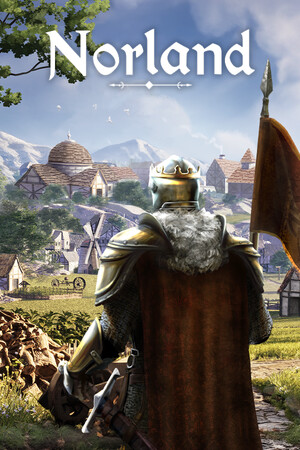
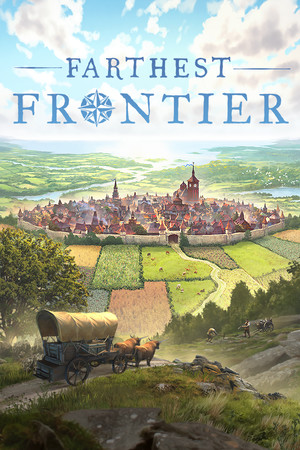
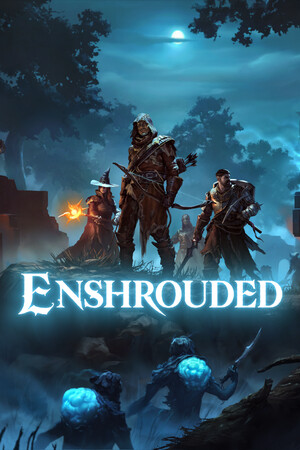


Review evidence
Why players say this
Review evidence
Why players say this
What players like
Highly immersive and engaging gameplay loop: The game successfully blends survival, combat, settlement-building, and RPG elements into a cohesive and addictive experience. Players appreciate the variety of activities, including quests, exploration, and combat, which keep the gameplay fresh and engaging for hundreds of hours. The sense of progression and achievement is frequently mentioned as a key strength.
Exceptional village-building mechanics: Players consistently highlight the game's innovative and engaging village-building system, praising its depth, freedom, and satisfying progression from a small hut to a fully functioning medieval town. The mechanics are often compared favorably to beloved games like *Medieval Dynasty* and *Valheim*, with many noting the strong sense of attachment and immersion it creates.
Strong combat and tactical depth: Players praise the combat system for its realism, tactical depth, and satisfying mechanics, including directional swinging, stamina management, and strategic use of followers. The ability to lead armies, customize militias, and engage in large-scale battles adds a layer of excitement and replayability, especially for fans of *Mount & Blade*.
Autonomous and functional villagers: The villager AI is highlighted as a standout feature, with players praising the ability to assign tasks, automate resource management, and watch villagers work independently. This reduces micromanagement and enhances immersion, making the village feel alive and dynamic compared to other games in the genre.
Active and responsive development: The developers are commended for their frequent updates, active community engagement, and dedication to improving the game. Players appreciate the transparency, responsiveness to feedback, and the promise of future content, which instills confidence in the game's long-term potential.
Common complaints
Tedious and repetitive gameplay: Players report excessive grind, repetitive quests (e.g., fetch quests), and slow pacing, particularly in early-game travel and village management. The lack of fast-travel options and meaningful progression systems exacerbates the tedium.
Combat system needs overhaul: The combat system is widely criticized for being clunky, unbalanced, and lacking depth. Players report poor hit detection, repetitive mechanics, and frustration when facing multiple enemies. The system is compared unfavorably to other games in the genre and is described as outdated and unsatisfying.
AI voices break immersion: The use of AI-generated voices for NPCs is widely disliked, with players describing them as robotic, monotone, and immersion-breaking. The poor quality of voice acting detracts from the game's medieval setting and reduces overall enjoyment.
Early-game difficulty is punishing: New players face overwhelming challenges, including frequent raids, weak villagers, and resource scarcity. The lack of scaling or gradual introduction to mechanics makes the early game frustrating and discouraging.
Buggy and unbalanced combat mechanics: Combat suffers from inconsistent hit detection, unfair enemy stacking, and imbalanced ranged combat (e.g., overpowered bows). Players report frustration with unresponsive controls and poorly designed enemy AI.
Gameplay and performance
Hybrid survival, strategy, and RPG gameplay: The game blends multiple genres, including survival (crafting, resource gathering), strategy (village/army management), and RPG (character progression, quests). Players start as a lone survivor and build a kingdom through combat, construction, and NPC interactions. This core mechanic is frequently highlighted as a standout feature, drawing comparisons to titles like *Mount & Blade*, *Medieval Dynasty*, and *Valheim*.
Deep village and NPC management system: Players manage villagers with granular control, assigning tasks (e.g., crafting, combat roles), automating production, and customizing equipment. The system includes priority-based task management, reputation requirements for recruitment, and dynamic NPC behaviors (e.g., injuries, sleep cycles). This depth is praised for adding realism but noted as potentially overwhelming.
Directional melee and ranged combat: Combat features skill-based mechanics with directional attacks/blocks (upper/middle/lower sections), stamina management, and weapon attributes. Archery is emphasized as a dominant strategy, while melee combat draws comparisons to *Mount & Blade: Bannerlord*. Players can toggle combat difficulty or delegate fights to NPCs, though some criticize enemy AI (e.g., poor pathfinding).
Realistic survival and seasonal mechanics: Survival elements include seasonal changes (e.g., winter halts plant gathering), hunger/thirst systems, and detailed construction timelines. Players must manage resources carefully, as NPCs may fail tasks (e.g., hunting) without player intervention. This realism is praised but may frustrate players seeking casual gameplay.
Large-scale exploration and questing: The open world features a sprawling map with diverse landscapes, hidden quests, and resource nodes. Players explore to liberate villages (unlocking recruits/resources), discover teleportation posts, and engage in storyline quests. Navigation aids (e.g., travel signs) and fast-travel limitations encourage immersion.
Memory leaks and hardware strain: Multiple reports highlight memory leaks causing crashes after 1-2 hours of gameplay, stack overflow errors, and high RAM usage (e.g., requiring 19GB+ to mitigate crashes). Players note that closing other applications or upgrading hardware temporarily resolves issues, but textures and stability remain problematic. This is a critical technical flaw affecting long-term playability.
Optimization varies by hardware: Performance is inconsistent across hardware tiers. High-end PCs run the game smoothly, while mid-range systems (e.g., Ryzen 3400G, RX 580) require graphics adjustments for playable FPS (50-60). Low-end systems and the Steam Deck struggle significantly, suggesting optimization gaps for non-flagship hardware. Feedback is specific but less frequent than crash reports.
Buggy animations and terrain glitches: Players report animation glitches (e.g., foliage stuttering, frame snapping) and terrain-related bugs (e.g., cliffs, water). These issues disrupt immersion and gameplay, particularly during building or environmental interactions. While not as critical as crashes, they are frequently cited as a source of frustration.
Multiplayer desynchronization: Multiplayer sessions suffer from synchronization issues, causing discrepancies in seasonal progress and job statuses between players. This undermines cooperative gameplay and is a recurring complaint in online modes. The feedback is specific but less frequent than performance issues.
Mod compatibility issues: Crashes and instability are linked to outdated mods, with players resolving issues by unsubscribing from Steam Workshop mods. This suggests a need for better mod management tools or compatibility checks. Feedback is limited but actionable.
Recommendations
Strong overall recommendation despite flaws: The majority of players highly recommend the game, praising its potential, engaging gameplay, and value for money. Many describe it as a standout in its genre, even in its Early Access state, and express excitement for future updates. However, some note it is not perfect and may not suit all players due to its rough edges or specific genre preferences.
Mixed or cautious recommendations due to issues: A subset of players either does not recommend the game in its current state or advises caution due to bugs, crashes, combat issues, or a frustrating early-game experience. Some suggest waiting for updates or improvements before purchasing, while others recommend it only for specific playstyles (e.g., solo or co-op) or with lowered expectations.
Target audience: medieval/survival genre fans: The game is consistently recommended for fans of medieval settings, survival mechanics, city-building, and combat-focused gameplay. Players who enjoy games like Valheim, Mount & Blade, or Rimworld are highlighted as the ideal audience. Some reviewers explicitly contrast it with more relaxed or finished alternatives.
Feedback on specific mechanics: Players provide actionable feedback on mechanics like the Caravan system (requesting flexibility) and AI voices (suggesting an option to disable them). These points reflect specific pain points that could improve user experience if addressed.
Mods improve experience: Several players recommend using quality-of-life mods (e.g., bigger arrow capacity, increased ore yield) to enhance the gameplay experience. This suggests the base game has limitations that mods can address, particularly for players seeking optimization or customization.
Other review notes
Expand gameplay depth and content: Players frequently suggest adding more dynamic and complex gameplay elements, such as mounts, PvP modes, procedurally generated quests, and advanced combat mechanics. These additions would enhance exploration, immersion, and replayability, addressing a core demand for deeper gameplay experiences.
Add transportation and logistics systems: Players frequently request transportation options like mounts, carts, and ships, as well as improved logistics systems for resource management. These features would enhance gameplay efficiency and open up new strategic possibilities for players.
Improve quality-of-life features: Many players request quality-of-life improvements, such as one-click building, inventory filters, map markers, and faster construction mechanics. These changes would streamline gameplay and reduce repetitive tasks, making the game more accessible and enjoyable for a broader audience.
Support modding and customization: Players highlight the importance of modding support, including an in-game mod marketplace and community-created content. Mods are seen as essential for enhancing gameplay, reducing grind, and adding customization options like storage, stacking, and building improvements.
Improve late-game and multiplayer content: Players are eager for improvements to late-game content, including more distinct bosses, expanded maps, and dedicated server support for large multiplayer sessions. These additions would address concerns about the game's longevity and replayability beyond the early stages.