- Highly enjoyable and polished gameplay experience
- Unique organic city-building mechanics
- High replayability and customization options
- Severe game crashes and instability issues
- Unoptimized performance strains hardware
- Confusing mechanics lack proper tutorials
Emotions
What players like:
Common complaints:
Gameplay feedback:
Performance notes:
Recommendations:
Other player notes:
Similar games
Blend with other games





Review evidence
Why players say this
Review evidence
Why players say this
What players like
Highly enjoyable gameplay experience: Players consistently describe the game as fun, engaging, and addictive, with a relaxing yet strategic gameplay loop. The mechanics are praised for being satisfying and immersive, even after extended play sessions.
Unique and organic city-building mechanics: The game stands out for its gridless, modular building system, allowing for organic city growth and creative freedom. Players appreciate the natural feel of settlements and the ability to design unique layouts without rigid constraints.
High replayability and customization: The game offers multiple playstyles, difficulty settings, and sandbox options, allowing players to tailor their experience. The depth of mechanics and creative freedom contribute to long-term engagement.
Stable and polished performance: Despite minor bugs, the game is described as stable, smooth, and well-optimized, even on mid-range hardware. Players appreciate the lack of crashes and the developers’ efforts to address issues through updates.
Active developer updates and improvements: The developers are praised for their responsiveness to feedback, regular updates, and significant improvements from early access to full release. Quality-of-life features and visual enhancements have been well-received.
Common complaints
Severe game crashes and instability: Frequent crashes, freezes, and performance issues (e.g., FPS drops, black screens) render the game unplayable for many users. AMD GPU owners and large saves are particularly affected, with crashes occurring during critical moments like saving or building.
Unoptimized performance and hardware strain: High GPU/CPU usage, FPS drops, and stuttering occur even on high-end systems, especially as towns grow. Shadows, global illumination, and large populations exacerbate performance issues.
Housing and villager AI dysfunction: Housing upgrades/downgrades consume excessive resources, and villagers often leave or complain despite available space. Pathfinding issues prevent villagers from accessing workplaces or resources, leading to resource drain and frustration.
Confusing mechanics and lack of tutorials: Core mechanics (e.g., housing, resource management) are poorly explained, with unclear UI/tooltips. Tutorials are basic, leaving players frustrated by hidden or counterintuitive systems.
Poor pathfinding and patrol mechanics: AI pathfinding is flawed, causing villagers to take inefficient routes, ignore zones, or clump together. Patrol systems are frustrating, with units failing to spread out or follow designated paths, disrupting gameplay.
Gameplay and performance
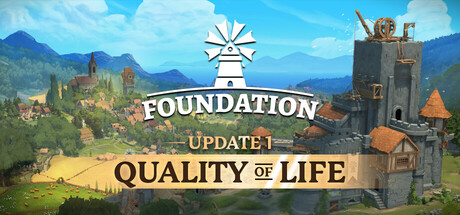
Medieval grid-free city-building: The game features a medieval-themed city-builder with organic, non-grid construction mechanics, allowing for free-form and dynamic city layouts. Players can design cities without grid constraints, emphasizing creativity and realism.
Resource management and logistics: Players must manage resources like food, wood, and stone, along with production chains and logistics (e.g., warehouses, trade routes). Efficient resource allocation is critical for urban expansion and population growth.
Villager needs and progression: Villagers have jobs, needs (e.g., food, housing), and a progression system (e.g., upgrading from villagers to commoners). Their satisfaction and efficiency depend on meeting these needs and managing their routines.
Modular monument construction: The game includes a modular building system for monuments, churches, castles, and other key structures. Players can design and customize these buildings piece by piece, adding depth to city planning.
Building customization and upgrades: Players can customize and upgrade buildings, including housing, monuments, and infrastructure. This system allows for personalization and progression through social castes (e.g., nobility, clergy).
Patch improvements noted: Some performance and crash issues were mitigated through patches, with users reporting smoother gameplay post-updates. However, core optimization problems persist.
AMD GPU compatibility issues: AMD graphics cards face crashes and instability, though some issues were resolved in later patches. Users report persistent graphical glitches and unplayability.
Minor bugs and jankiness: Non-critical bugs (e.g., visual glitches, save corruption) and gameplay jankiness are present but do not universally break the experience.
Speed and autosave issues: Game speed (e.g., Speed 3) causes lag, and autosaves trigger freezes or failures, disrupting gameplay flow and requiring manual workarounds.
Single-core CPU bottleneck: The game heavily utilizes a single CPU core, limiting performance on multi-core systems and causing inefficiencies even when other hardware is underutilized.
Recommendations
Performance issues deter recommendations: Many reviewers advise waiting for patches or discounts due to bugs, crashes, and optimization problems. The game is often not recommended in its current state, especially for AMD users or those seeking a polished experience.
Developer support and future updates: Players express willingness to return if bugs are fixed or content is expanded. Some recommend waiting for updates or mods to address current shortcomings.
Ideal for relaxed city builders: The game is highly recommended for players who enjoy calm, immersive, and aesthetically focused city-building experiences. It appeals to those who prefer long-term strategy and creative freedom over strict resource management or micromanagement.
Strong potential as top city builder: Despite flaws, the game is praised for its core mechanics and potential to become one of the best in the genre. Many reviewers see it as a must-play for fans of city-building games like *Anno* or *The Settlers*.
Content and replayability limitations: The game is criticized for lacking long-term content, replayability, or dynamic events (e.g., weather, battles). Players suggest expansions like multiplayer, more buildings, or resource cycles to improve depth.
Other review notes
Desire for dynamic features: Players want raids, bandit attacks, crime systems, weather/day-night cycles, and festival squares to add depth to gameplay. These features would increase replayability and immersion.
Add animals and transport: Players frequently request the addition of horses, transport carts, and more animals to enhance immersion and gameplay mechanics. This would expand the game's setting and improve logistics.
Modding scene growth potential: While the modding community is small, players anticipate growth, with key mods like tree removal and dynamic weather being highly valued. Integrating popular mods into the base game could improve accessibility.
Performance optimization tips: Players share workarounds like disabling cloud saves, V-Sync, and using DuckDuckGo to improve performance. These suggestions highlight technical limitations that could be addressed in future updates.
UI/UX improvements needed: Players criticize the reference guide's structure and unclear income/expense tracking. Restructuring these elements would enhance usability and reduce frustration.