- Exceptional multiplayer and co-op experience
- Outstanding city-building mechanics with depth
- High replayability and unique faction variety
- Flawed and irrelevant card system mechanics
- Severe late-game performance issues persist
- Underdeveloped combat and weak diplomacy systems
Emotions
What players like:
Common complaints:
Gameplay feedback:
Performance notes:
Recommendations:
Other player notes:
Similar games
Blend with other games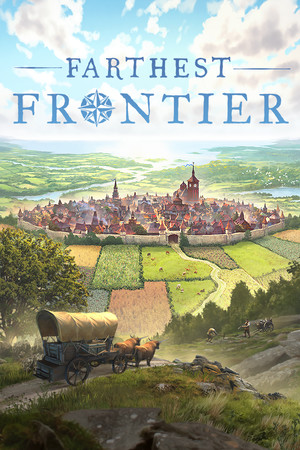





Review evidence
Why players say this
Review evidence
Why players say this
What players like
Exceptional multiplayer/co-op experience: Cooperative and competitive multiplayer modes are a standout feature, enhancing replayability and social interaction. Players praise the well-implemented co-op system, build-order coordination, and LAN compatibility.
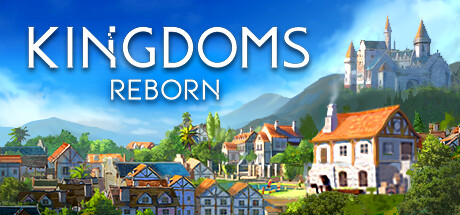
Outstanding city-building mechanics: The game excels in core city-building mechanics, offering a relaxed yet engaging experience with real-time development and strategic depth. Players frequently highlight its smooth execution and enjoyable expansion dynamics.
High replayability and depth: Procedurally generated maps, multiple factions, biomes, and difficulty levels ensure varied playstyles. Players report hundreds of hours of engagement due to its layered mechanics and content.
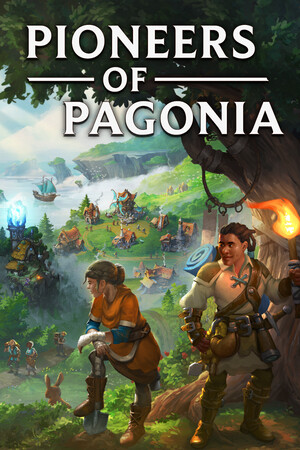
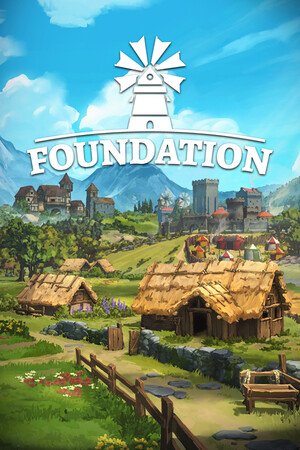
Genre-blending strategy gameplay: The game successfully blends elements of *Civilization*, *Banished*, and *Anno*, offering RTS-style city-building with survival, diplomacy, and economic management. Fans of 4X games find it particularly appealing.
Relaxing yet challenging balance: The game strikes a balance between chill vibes and strategic depth, making it accessible for casual play while offering challenges for hardcore strategy fans. Adjustable difficulty settings cater to all skill levels.
Common complaints
Flawed and irrelevant card system: The card mechanic is widely criticized for being annoying early, irrelevant late-game, and undermined by wildcards or money dominance. Players report it disrupts immersion and lacks depth, often becoming meaningless due to copying mechanics or trivialization.
Underdeveloped combat mechanics: Combat is described as clunky, oversimplified, and lacking depth, with poor AI implementation and visibility of modifiers. Many players feel it’s an afterthought or ineffective, detracting from the experience.
Severe late-game performance issues: The game suffers from poor optimization, with frame rate drops, lag, and crashes as cities grow or progress to later eras. Performance degrades significantly at higher populations, making late-game unplayable for some.
Slow and infrequent updates: The game has been in Early Access for a long time with infrequent patches, minimal content updates, and unresolved bugs. Players express concern about the game’s future development.
Frequent crashes and instability: Players report constant crashes, freezes, and multiplayer connection issues, often tied to autosaves or hardware limitations. The game becomes unplayable for some due to these technical flaws.
Gameplay and performance
City-building with card mechanics: The game blends city-building with a unique card-based system for construction, resource management, and progression. Players appreciate the strategic depth but criticize the card-drawing mechanics in some cases.
Complex resource management: Resource management is a core gameplay element, focusing on food, wood, fuel, and other materials. Players must balance scarcity, logistics, and long-term planning, with some noting challenges in scattered resource distribution.
Diplomacy and combat systems: The game includes diplomacy, warfare, and territory control mechanics, often tied to card-based systems. However, some players feel these systems are underdeveloped or limited in depth.
Customizable difficulty settings: Players can adjust difficulty levels, affecting AI behavior, resource consumption, and biome challenges. The game offers a wide range, from cozy modes to deity-level difficulty, catering to different playstyles.
Economic and production systems: Core mechanics include population growth, resource gathering, and economic simulation. Players must manage production chains, consumption, and distribution, with some noting late-game optimization challenges.
Severe zooming and panning lag: Players frequently report lag, frame rate drops, and stuttering when zooming between regions or panning across large maps, particularly in late-game scenarios. This issue is exacerbated in larger cities or after extended play sessions.
Hardware-dependent performance: Performance varies widely based on hardware, with high-end systems handling larger populations smoothly while mid-range or low-end systems struggle with lag, crashes, or unplayable conditions. Some players report no issues on decent rigs.
High RAM and CPU usage over time: Extended play sessions lead to excessive RAM consumption, causing performance degradation, freezing, or unplayable conditions in late-game. This is often linked to resource transport mechanics and larger populations.
Early Access performance variability: Performance and stability are inconsistent due to the game's Early Access status, with some players reporting smooth experiences while others encounter lag, crashes, or optimization issues.
Multiplayer desync and lag: Long multiplayer sessions suffer from desync issues and severe lag, particularly as more buildings or players are added. Connectivity problems also arise during loading screens or gameplay.
Recommendations
Highly recommended city-builder: The game is widely praised for its engaging and addictive gameplay, particularly among fans of city-building, strategy, and resource management. Many reviewers highlight its polished content and value for the price, even in Early Access.
Appeals to Banished/Civ fans: The game is frequently recommended for fans of *Banished*, *Civilization*, *Anno*, and similar strategy/builder games. It is positioned as a strong alternative to these titles, especially for those who enjoy linear progression and deckbuilding mechanics.
Ideal for co-op and casual play: The game is highly recommended for chill multiplayer sessions, collaborative gameplay, and relaxed playstyles. It is particularly satisfying when played with friends or in co-op mode.
Best value on sale: Many reviewers explicitly recommend purchasing the game during sales or at a discounted price, emphasizing its worth at lower price points. Some consider it a 'must-buy' for genre fans under these conditions.
DLC adds replay value: Players express a desire for more factions and variances, with some recommending DLCs that introduce these features to increase challenge and replayability.
Other review notes
3D rotation causes discomfort: Players report physical discomfort (e.g., dizziness) from the game's 3D rotation mechanics, suggesting a need for accessibility adjustments.
Slow customer support response: Feedback describes the support team as unresponsive or unhelpful, which may deter players from reporting critical issues.
Demand for Arabic localization: Multiple players request Arabic language support, indicating a gap in accessibility for non-English speakers. This could expand the game's audience.
Third-party controller reliance: Players note the need for external apps to enable controller support, highlighting a usability issue for those preferring non-keyboard input.
Unique character inclusions: Playable characters like Angela Merkel and a dog are noted as unusual or humorous, adding a distinctive but niche appeal.