- Deep and engaging gameplay mechanics
- High-quality visuals and immersive atmosphere
- Extensive DLC and mod support available
- DLCs fragment and overprice content
- No pause feature in single-player mode
- AI cheating causes unfair player advantages
Emotions
What players like:
Common complaints:
Gameplay feedback:
Performance notes:
Recommendations:
Other player notes:
Similar games
Blend with other games





Review evidence
Why players say this
Review evidence
Why players say this
What players like
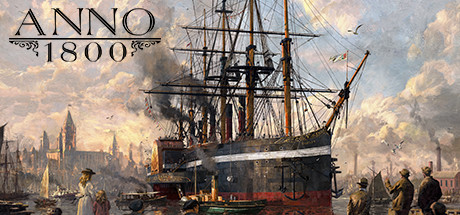
Deep and engaging gameplay: Players consistently praise the game's deep strategy, complex production chains, and engaging city-building mechanics. The gameplay loop is described as addictive and rewarding, with high replayability.
High-quality visuals and aesthetics: The game is lauded for its stunning graphics, detailed cityscapes, and immersive industrial-era atmosphere. The visual design enhances the overall experience and player engagement.
Extensive DLC and mod support: DLCs and mods significantly extend the game's content, replayability, and customization options. Players appreciate the added value and enhancements they bring to the base game.
High replayability and content volume: With multiple regions, islands, DLCs, and mods, the game offers endless content and replayability. Players report hundreds of hours of engagement.
Smooth learning curve and accessibility: The game is easy to grasp initially but offers increasing complexity, making it accessible to beginners while providing depth for experienced players. The campaign acts as an effective tutorial.
Common complaints
DLCs Fragment and Overprice Content: Essential gameplay features are locked behind expensive DLCs, which are criticized as exploitative. The base game feels incomplete, and DLCs can destabilize economies or overwhelm players with complexity.
Economic and Logistical Frustrations: Unpredictable finances, redundant distribution ranges, and dysfunctional trade routes (e.g., ships not unloading goods) create logistical nightmares. Players struggle with resource shortages and island layout constraints.
No Pause Feature in Single-Player: The absence of a pause feature in single-player mode forces players to manage real-time events without strategic planning time, increasing frustration during complex scenarios like battles or resource shortages.
AI Cheating and Unfair Advantages: Players report excessive AI cheating, including instant access to advanced resources, unfair pirate spawns, and aggressive targeting of the player. This disrupts gameplay balance and leads to frustration, especially in naval combat and early-game development.
Pirate Mechanics Frustrate Players: Pirates respawn constantly, target players exclusively, and disrupt trade routes, leading to economic collapse and repetitive grind for warships. The lack of difficulty adjustment exacerbates frustration, particularly for beginners.
Gameplay and performance
Multi-island resource management: Players must expand across multiple islands, each with unique resources and constraints. Trade routes, logistics, and supply chains are critical for sustaining economies and meeting population demands.
Complex production chains: Production chains are multi-layered and interconnected, requiring players to manage resources like steel, food, and electricity across islands. These chains evolve in complexity as gameplay progresses, demanding strategic planning.
Deep city-building mechanics: The game features intricate city-building and architectural design, focusing on optimizing space, resources, and production chains. Players must balance residential, industrial, and public service buildings while managing population needs and growth.
Real-time strategy elements: The game blends city-building with real-time strategy, including naval combat, fleet management, and warfare. Players must defend trade routes, engage in diplomacy, and conquer islands to expand their empire.
Diplomacy and trade systems: Diplomatic relations, trade partnerships, and economic warfare are key mechanics. Players negotiate with AI factions, establish trade routes, and manipulate markets to gain advantages.
Graphics and optimization issues: Poor graphics optimization leads to performance problems at high settings, requiring manual adjustments. Issues like flickering on 240Hz panels and TSR support gaps are also noted.
UI and control bugs: UI elements disappear randomly, and controls feel unresponsive despite high FPS. Windows 11 users report additional control-related glitches, while multiplayer lobbies and voice chat are poorly implemented.
Frequent game crashes: Players report consistent crashes, particularly when interacting with specific in-game elements like fertilizer or during late-game scenarios. Some crashes are tied to error codes (e.g., LR40) or save system failures.
Online connectivity requirements: Mandatory online connectivity for single-player causes FPS drops, crashes, and performance instability. Players criticize the need for a constant Ubisoft server connection, which also impacts offline play.
Hardware and compatibility struggles: High hardware requirements and long loading times strain low-end systems. Compatibility issues extend to platforms like Steam Deck, with the game often failing to work out of the box.
Recommendations
Ideal for city-builders and strategy fans: The game is highly recommended for fans of city-building, resource management, and deep strategy games (e.g., *Factorio*, *Civilization*). It appeals to players who enjoy long sessions, logistics, and open-ended gameplay.
Buy during sales for best value: Players consistently recommend purchasing the base game and DLCs only during sales (e.g., €5.99 or 50%+ discounts) to avoid overpaying. The base game is often described as complete, with DLCs adding optional depth.
Start with base game for beginners: New players are encouraged to begin with the base game to avoid overwhelm, while experienced players may benefit from DLCs. Custom mode or smaller islands are recommended for learning mechanics.
Older Anno titles preferred by some: A subset of players suggests *Anno 1404* or *1701* for better balance, mechanics, or nostalgia, though *Anno 1800* is still considered a genre benchmark.
Patience and planning rewarded: The game emphasizes long-term strategy, balancing supply/demand, and gradual expansion. Players highlight its depth for those willing to invest time, with multiplayer adding replayability.
Platform notes
Steam Deck: The Steam Deck experience for *Anno 1800* is severely hindered by technical barriers introduced by Ubisoft Connect, the mandatory external launcher. Key issues include: (1) **Mandatory External Launcher**: Users must navigate a slow, buggy, and unnecessary Ubisoft Connect launcher, which disrupts the native Steam experience. (2) **Activation and Account Linking**: The process of linking Ubisoft accounts to Steam and dealing with activation codes is convoluted and time-consuming, often preventing users from accessing their purchased games. (3) **Stability and Crashes**: Frequent crashes, long loading times, and instability are widely reported, with many users attributing these issues to Ubisoft Connect. (4) **Always-Online Requirement**: Despite being a single-player game, Anno 1800 requires an always-online connection to Ubisoft Connect, and the offline mode is non-functional. (5) **UI Scaling on Steam Deck**: Poor UI scaling and unreadable text on the Steam Deck further degrade the experience for handheld users. These issues collectively create a frustrating and fragmented user experience.
Extra review signals
Monetization: The monetization strategy of *Anno 1800* is widely criticized as predatory, with users highlighting several key issues: 1) The excessive number and high cost of DLC, often totaling $300-$500, which is disproportionate to the base game's price; 2) The base game feels incomplete without DLC, coercing players into additional purchases to access core mechanics and content; 3) Technical issues with DLC activation and poor customer support create significant frustration; 4) The game is perceived as a 'platform' for DLC, with content fragmented across multiple packs to maximize revenue. Despite these issues, the DLC content itself is generally well-received when purchased, adding meaningful depth and replayability to the game.
External guides: The user feedback for *Anno 1800* reveals significant pain points centered around its steep learning curve, overwhelming late-game complexity, and poor technical implementation. The most critical issues include the lack of in-game tutorials and instructional data, forcing players to rely heavily on external resources like wikis and YouTube guides. The late-game experience is frequently described as spreadsheet-like, requiring external tools like Excel to manage inventory and supply chains effectively. Additionally, the game suffers from poor UI/UX design, frequent technical bugs (e.g., crashes during alt-tabbing), and frustrating DRM/launcher issues with Ubisoft Connect. These problems collectively create a high barrier to entry and a frustrating experience for both new and experienced players.
Other review notes
Environmental themes in gameplay: Players note the game’s environmental and political commentary, framing progress as a destructive force. This reflects intentional design choices but may polarize audiences.
High game pricing criticism: Players express dissatisfaction with the base game's price (129 euros) and Ubisoft's DLC strategy, indicating frustration with perceived value. This reflects concerns about affordability and monetization practices.
Offline gaming lifestyle appreciation: Players highlight their commitment to offline gaming, particularly during travel or rainy days, suggesting the game fits well into niche, low-connectivity lifestyles. This feedback is specific but limited in scope.
Preference for Steam over Ubisoft: Players express a clear preference for Steam’s platform over Ubisoft’s launcher, despite noting the latter runs smoothly in the background. This suggests brand loyalty or usability concerns.
Account migration issues: Players report difficulties migrating accounts from previous *Assassin’s Creed* titles, requiring multiple workarounds (e.g., email changes). This indicates persistent technical barriers for returning users.