- Unique diplomatic and trade systems stand out
- Addictive and immersive long-term gameplay experience
- Beautiful visuals and flexible roleplaying options
- Unfinished and bug-ridden at launch release
- Poor warfare and overly complex mechanics
- DLCs essential but often overpriced
Emotions
What players like:
Common complaints:
Gameplay feedback:
Performance notes:
Recommendations:
Other player notes:
Similar games
Blend with other games






Review evidence
Why players say this
Review evidence
Why players say this
What players like
Unique diplomatic and trade systems: Diplomacy and trade are standout features, with mechanics like treaties, tariffs, and company charters adding depth. Players enjoy the strategic negotiation and geopolitical maneuvering these systems enable.
Addictive and immersive gameplay: The game’s blend of economic management, political intrigue, and societal simulation creates a compelling loop. Players report extensive playtimes (e.g., 500+ hours) due to its engaging mechanics.
Engaging long-term progression: Players appreciate the game’s ability to simulate long-term nation-building, from industrialization to geopolitical dominance. The satisfaction of watching economies grow and societies evolve over in-game centuries is a recurring theme.
Beautiful visuals and UI: The game’s aesthetic, including its detailed map, dynamic visuals (e.g., growing cities, trains), and intuitive UI, enhances immersion. Players appreciate the polished presentation and logical interface improvements.
Flexible playstyles and roleplaying: Players can pursue diverse strategies, from peaceful economic development to aggressive expansion or ideological experimentation. The game’s systems accommodate varied roleplaying scenarios, such as turning the USA into an anarchist monarchy.
Common complaints
Unfinished and bug-ridden release: The game was widely criticized for being released in an incomplete state, with numerous bugs, performance issues, and missing mechanics. Players reported it felt like a half-finished product, with critical systems like warfare, diplomacy, and economics being underdeveloped or broken.
Poor warfare and military system: The war system is described as shallow, unintuitive, and lacking depth. Players report frustration with opaque mechanics, lack of control over battles, and AI behavior that feels unfair or illogical. The system is often compared unfavorably to other Paradox games.
Lack of player agency and control: Players report feeling powerless over key aspects of gameplay, such as military engagements, economic outcomes, and political reforms. Systems often feel like they are on 'autopilot' or driven by RNG rather than player decisions.
Overly complex and opaque mechanics: The game suffers from excessive complexity, particularly in economic and political systems, which are poorly explained and overwhelming for new players. Many mechanics feel arbitrary or rely too heavily on RNG, reducing strategic depth and player agency.
DLCs essential but overpriced: Core mechanics and content are locked behind expensive DLCs, making the base game feel incomplete. Players feel forced to purchase multiple DLCs to access a full experience, which is seen as exploitative.
Gameplay and performance
Complex Population and Class Systems: POP (population) groups are defined by traits like culture, wealth, and profession, influencing politics and economics. Interest groups (e.g., landowners, industrialists) compete for power, while reforms trigger societal changes like education access or suffrage.
Revolution and Rebellion Mechanics: Revolutions, coups, and rebellions are tied to political stability, interest group clout, and societal needs. Players must navigate class struggles, nationalism, and historical events like fascist uprisings.
Historical Grand Strategy Focus: Spanning 1836–1936, the game emphasizes historical accuracy in industrialization, colonialism, and reforms. Players experience scripted events like the abolition of slavery or World War I, with mechanics tied to real-world geopolitical shifts.
Deep Political-Economic Simulation Core: The game excels in simulating intricate political and economic systems, including GDP management, tax policies, and interest group dynamics. Players engage with laws, reforms, and societal ripple effects, creating a highly interconnected gameplay loop.
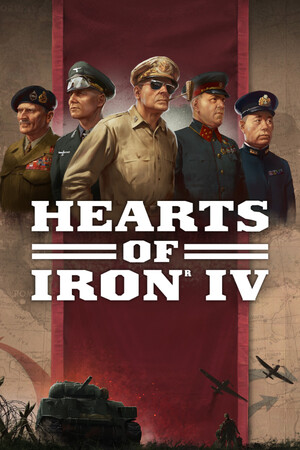
Warfare as Secondary Mechanic: Unlike other Paradox titles, warfare is simplified with frontline systems and abstracted battles. Combat focuses on logistics, supply lines, and generals, but lacks the depth of games like *Hearts of Iron IV*.
Frequent game crashes: Crashes are a widespread issue, occurring during gameplay, events, autosaves, and even after idling. Some crashes are hardware-specific or tied to updates, leading to lost saves or system instability.
Severe late-game performance issues: Players report significant slowdowns, lag, and freezing in the late-game (post-1880/1890), particularly due to AI production methods, large POP counts, and trade routes. This affects gameplay even on high-end hardware.
Poor optimization across hardware: The game is poorly optimized, causing performance issues on both older and modern hardware. High CPU usage, memory requirements, and inconsistent performance (e.g., runs well on mid-range PCs but crashes on high-end systems) are common complaints.
Save file corruption and loss: Players report lost or corrupted save files, particularly after updates. This issue compounds frustration with crashes and performance problems, leading to significant gameplay disruption.
FPS instability and drops: FPS instability, including drops during long sessions or late-game, is a recurring issue. Some players note that FPS limiting no longer resolves these problems.
Recommendations
Target audience: deep strategy fans: The game is highly recommended for players who enjoy deep economic and political strategy, historical simulations, and complex systems. It appeals to those who value long-term planning and societal evolution over fast-paced or military-focused gameplay.
Not for newcomers or casual players: The game is frequently advised against for new players, those seeking simplicity, or fans of other Paradox titles due to its steep learning curve, complexity, and lack of intuitive tutorials. It is best suited for experienced strategy enthusiasts.
Wait for future updates or fixes: Several reviews recommend waiting for patches to address bugs, UI issues, or gameplay flaws (e.g., combat overhaul, war system fixes). Some suggest playing older versions or alternatives like *Victoria II* until improvements are made.
High engagement despite flaws: Players report high playtime (e.g., 160+ hours) and strong engagement, particularly after overcoming the initial complexity. The game’s depth and emergent narratives are praised, even by those who acknowledge its issues.
Avoid if seeking warfare or simplicity: The game is explicitly not recommended for players interested in tactical warfare, fast-paced gameplay, or low-learning-curve experiences. It prioritizes economic and societal systems over military conquest.
Other review notes
Excessive DLCs fragment experience: The release of 10 DLCs over three years, including non-essential ones like music packs, frustrates players. Core features like day-night cycles are paywalled, creating a disjointed experience.
UI inferior to past Paradox games: Players frequently compare EU5's user interface unfavorably to older titles like Victoria 2, Hearts of Iron, and Crusader Kings, citing usability issues. The feedback suggests a regression in design or functionality.
Historical depth praised but niche: The game's focus on the Victorian era and events like the Russian Revolution is appreciated by history enthusiasts. However, this appeal is limited to players interested in these specific themes.
Mods essential for AI improvements: Players rely heavily on mods to fix AI behavior and enhance gameplay, indicating a gap in the base game's polish. This suggests underdeveloped core mechanics.
Speculation about EU5 potential: Mentions of an upcoming EU5 generate curiosity, but this feedback is speculative and lacks concrete gameplay insights. It reflects anticipation rather than actionable critique.