- Unique age and era mechanics enhance gameplay.
- Deep production chains add complexity.
- High replayability value for extended enjoyment.
- Complex combat and city management systems.
- Poor graphical quality detracts from experience.
- AI behavior issues and difficult UI.
Emotions
Archetypes
What players like:
Common complaints:
Gameplay feedback:
Performance notes:
Recommendations:
Other player notes:
- -
No data available
Similar games
Blend with other games 87%Sid Meier's Civilization VII
 86%Ara History Untold: Anniversary Edition
 86%ENDLESS™ Legend
 86%HUMANKIND™
 85%Sid Meier's Civilization® III Complete
 85%Supreme Ruler Ultimate
 84%Sid Meier’s Civilization® VI
 84%Jon Shafer's At the Gates
 84%Old World
 84%Hegemony III: Clash of the Ancients
 84%KAISERPUNK
 83%Supreme Ruler 2020 Gold
Review evidence
Why players say this
Review evidence
Why players say this
What players like
Unique age and era mechanics: The game features different age variants and a unique era system with special effects and conditions. This adds a layer of strategy and variety to the gameplay.
Deep production chains: The game includes sophisticated and well-made production chains that are important and rewarding. These chains add complexity and depth to the gameplay.
High replayability value: The game encourages replayability through different epochs and varied gameplay experiences. The timeline system and focus trees add depth and variance.
Game with significant potential: The game is recognized for its potential and interesting concepts. It is well thought out and has a lot to offer, making it a promising title.
Complex combat and city management: The game features a complex combat system with different unit types and strategies. City management is also intricate, adding to the overall depth.
Common complaints
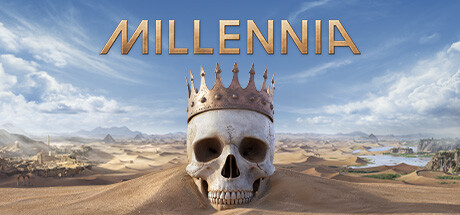
Poor graphical quality: Many players have noted that the game's graphics are outdated, lackluster, and visually unappealing. The graphical presentation of battles and overall visual quality are considered subpar.
AI behavior issues: The AI in the game is frequently criticized for being stupid, illogical, and overly aggressive. Players also note that AI behaviors are predictable and lack variety, making interactions feel unrealistic.
Difficult and unclear UI: The user interface is often described as cluttered, busy, and difficult to navigate. Important information is hard to see, and the overall design is considered poor and cumbersome.
Game feels abandoned: Players feel that the game has been abandoned by the developers, with development stopped and issues left unresolved. This has led to a perception of the game being unfinished and poorly maintained.
Poor diplomacy system: The diplomacy system is criticized for being shallow, poorly implemented, and lacking depth. Players find it irrelevant and poorly integrated into the gameplay.
Gameplay and performance
Complex production and resource chains: The game features a sophisticated economy system with interconnected supply chains and complex resource management, which are crucial for success and development.
Ages mechanic with unique features: The Ages mechanic offers different mechanics and units, alternate timelines, and crisis ages, making it unique and impactful.
Era-based progression: The game features an era system where progression is influenced by player actions and choices, introducing new rules and circumstances.
Complex and unique combat system: The combat system is intricate and involves different unit types with specific roles and interactions, requiring strategic engagement.
National spirits system: The game includes a variety of national spirits that offer unique bonuses and units specific to each era, shaping the nation and balancing gameplay.
Late-game performance issues: The game experiences significant slowdowns and performance drops in the later stages, making it frustrating for players. This includes severe lag and poor optimization during late-game gameplay.
Frequent crashes and stability: The game has issues with frequent crashes and stability. Some players report game-breaking bugs and corrupted save files, while others find the game stable.
General optimization problems: Players report poor optimization overall, leading to slowdowns and performance issues during gameplay. This affects the overall experience and smoothness of the game.
Performance with many entities: The game experiences slowdowns and performance issues when many entities or active objects are on screen. This also extends to large maps with many nations.
Mixed performance reports: Some players report that the game runs steadily on modern systems, while others experience significant performance issues.
Recommendations
Worth buying on sale: Many reviewers suggest purchasing the game on sale, indicating that it offers good value for money when discounted. Specific price points mentioned include 20 euros or less.
Recommended for 4X and strategy fans: The game is frequently recommended for fans of 4X and strategy games, particularly those who enjoy the Civilization series. It is seen as a great alternative to Civilization and a must-have for veterans of the genre.
General purchase recommendations: The game is generally recommended by reviewers, with some suggesting it is worth trying at a reasonable price. Others strongly recommend it without hesitation.
Suggestions for game improvements: Reviewers suggest various improvements such as adding more content to the economy system, making combat more interesting, improving the UI, adding more content to ages, and expanding the diplomacy system.
Hopes for future improvements: Reviewers express hope for a sequel with better graphics and combat system, indicating areas where the current game could be improved.
Buying context
Community fair range: $15.00 - $25.00.
Game completion: 260.0h.
Session length: 6.0h.
Endgame: 0.5h.
The game has a steep learning curve and complex early game mechanics that can be overwhelming, but once players understand the basics, they begin to enjoy the strategic depth and empire management aspects.
Reported time to anchor: 1h.
Friction: Steep learning curve; Poor tutorial; Early game pacing issues.
Player profiles
Strategy-Focused Builder: Focuses on resource management and strategic planning. Motivation: Enjoys complex systems and strategic depth. Stance: sale.
Casual 4X Fan: Casual and exploratory, with a focus on enjoyment over optimization. Motivation: Enjoys 4X games with a preference for familiar mechanics. Stance: deep sale.
Multiplayer Enthusiast: Competitive and collaborative, focusing on multiplayer interactions. Motivation: Seeks multiplayer experiences and collaboration. Stance: no buy.
Platform notes
Steam Deck: The analysis of user feedback reveals several key issues affecting the user experience. UI/UX issues, particularly small font sizes, make the game difficult to read on certain screens. Performance issues, such as the slow loading of the Paradox launcher, negatively impact the startup process. Stability issues, including game crashes, are critical problems that severely affect the user experience. However, there is also positive feedback regarding the art direction and interface, which enhances the overall experience.
Extra review signals
Monetization: The game is criticized for feeling unfinished at launch, with significant content being sold as expensive DLC packs. This practice has led to a perception of the game being a cash grab, designed to monetize through continuous DLC releases rather than providing a complete experience upfront. The base game is seen as shallow, with essential content withheld for paid expansions, frustrating players and leading to negative reviews.
External guides: The game has several significant issues that detract from the user experience. The most prominent problems include insufficient in-game information, leading players to rely on external resources, and confusion regarding game mechanics and AI behavior. Additionally, there are criticisms about the game's UI and graphics. Despite these issues, the game has a strong strategic element that some players find appealing.