- Deep city and faction management mechanics
- Rich faction and unit diversity available
- Strong developer support and updates
- Excessive micromanagement required constantly
- Steep learning curve for new players
- Technical performance issues frequent
Emotions
What players like:
Common complaints:
Gameplay feedback:
Performance notes:
Recommendations:
Other player notes:
Similar games
Blend with other games






Review evidence
Why players say this
Review evidence
Why players say this
What players like
Slave labor and resource management: Slavery is a key economic mechanic, reducing resource costs and adding historical realism. Players must balance ethical and strategic considerations while managing resource buildings and worker allocation.
Strong developer support: Active communication, frequent updates, and patches addressing bugs and adding features (e.g., tech trees, QoL improvements) demonstrate the developer's commitment to refining the game post-launch.
Rich faction and unit diversity: Over 25 playable factions with unique units, bonuses, and playstyles are highlighted. This diversity ensures replayability and caters to different strategic preferences, from historical accuracy to varied combat tactics.
Modding and customization support: Robust modding tools, including a map editor and Steam Workshop integration, extend the game's longevity. Players can create custom scenarios, units, and mods, adding significant replay value.
Diplomacy and city loyalty mechanics: Diplomacy affects city loyalty, rebellion rates, and colonization options. While simple, the system adds strategic depth by influencing how players manage conquered territories and alliances.
Common complaints
Excessive micromanagement requirements: Players must constantly manage multiple armies, supply lines, and internal affairs, leading to tedium. The lack of automation for tasks like city management or food distribution exacerbates the issue, especially as the empire expands.
Steep learning curve for beginners: The game presents a demanding initial learning curve, particularly in resource management and campaign progression. Many players report difficulty in understanding mechanics, lack of a helpful tutorial, and overwhelming early-game challenges like raider camps near food sources.
Repetitive and tedious gameplay: The game becomes repetitive over time due to generic quests, lack of events, and monotonous tasks like city management. Players report losing interest after initial expansion, especially in the same geographical area.
Technical and performance issues: The game suffers from bugs, crashes, and optimization problems, including graphical hiccups, memory errors, and lag when zooming. Mouse movement is clunky, and older computers struggle with performance during late-game expansion.
Lack of tactical and unit depth: Combat lacks depth compared to titles like *Total War*, with limited unit variety (e.g., only 2 useful units) and shallow battlefield tactics. Players criticize ranged units charging into melee and small battlefields restricting strategic moves.
Gameplay and performance
City and faction management depth: Players manage cities (growth, upgrades, fortifications), diplomacy, and faction-specific mechanics like slavery, assimilation, and rebellion systems. Tech trees and RPG-like progression add strategic layers.
Logistics and supply management core: The game emphasizes logistics, including supply lines, resource management, and food transport mechanics. Players must manage cities, armies, and trade routes to sustain expansion, with winter mechanics adding complexity.
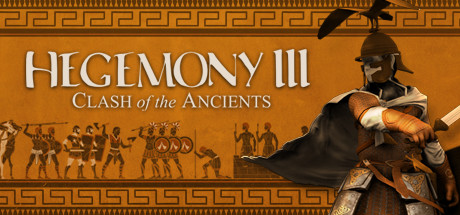
Historical ancient Italy setting: Set in pre-Roman Italy, the game includes 25+ factions (e.g., Etruscans, Gauls) with unique units and historical scenarios, focusing on the unification of Italy during the rise of Rome.
Seamless strategic-tactical zoom: The game features dynamic map zooming, allowing players to transition smoothly between grand strategy (e.g., territory control) and tactical battles (e.g., unit formations) without loading screens.
Seasonal and weather challenges: Winter halts food production and disrupts supply routes, while weather/day-night cycles impact gameplay. Players must stockpile resources and adapt strategies to seasonal effects.
Performance and optimization issues: The game suffers from lag, stuttering, sluggish graphics, and choppy mouse movement, particularly during zooming or on older hardware. Engine optimization has improved but remains inconsistent.
Frequent game crashes and freezes: Players report frequent crashes, freezes, and memory-related errors (e.g., 'instructions referenced memory could not be read'). Some require a full computer restart to resolve. Performance is smoother on Linux via Wine/Proton.
Minor graphical and interface glitches: Players encounter minor graphical hiccups, texture/animation issues, and interface glitches, though these do not critically impact gameplay.
Post-patch stability improvements: After the first patch, players report no major bugs or crashes, indicating significant stability improvements over the initial release.
Map engine and diplomatic interruptions: The map engine reloads unexpectedly, causing interruptions, and diplomatic connections only update on specific triggers (e.g., load game), leading to inefficient resource management.
Recommendations
Highly recommended for strategy fans: The game is repeatedly recommended for fans of strategy games, particularly those who enjoy historical settings, grand strategy, or titles like *Total War* and *Endless Legend*. Many reviews highlight its depth and niche appeal within the genre.
Strong economic-military balance: The game is praised for its balance between economic management and military strategy, particularly in supply line mechanics, which are highlighted as a standout feature.
Best for sale purchases: Multiple reviews suggest buying the game on sale (e.g., 50% off or at $15) due to its price-to-value ratio, especially for those uncertain about its replayability or depth.
Potential for future improvements: Some reviews express optimism about the game’s development, noting that it could become the best in the *Hegemony* series if current issues (e.g., repetitive gameplay) are addressed.
Extra review signals
Monetization: The game exhibits aggressive monetization through content fragmentation, with core features like historical campaigns, unique cultures, and narrative depth locked behind paid DLC. The base game is perceived as incomplete, and the use of limited-time DLC releases introduces FOMO pressure. While there is no evidence of real-money gacha or pay-to-win mechanics, the reliance on DLC to deliver essential content raises concerns about predatory monetization practices. The lack of transparency in the DLC roadmap further exacerbates player frustration.
Other review notes
Kickstarter funding limitations: Players suggest the game's quality or scope may have been constrained by budgetary limitations from its Kickstarter funding. Some reviews mention developer advocacy as a secondary factor.
Steam curator promotion needed: Feedback highlights the need for better visibility through Steam curator promotions to reach a wider audience and improve discoverability.
External review resources linked: Some reviews include links to blogs and YouTube videos for additional context, indicating players rely on external sources for deeper insights.