- Fun and enjoyable gameplay
- Active and dedicated developers
- High replayability and addictive
- Medieval city-building focus
- Optimization and performance issues
- Presence of bugs
Emotions
Archetypes
What players like:
Common complaints:
Gameplay feedback:
Performance notes:
Recommendations:
Other player notes:
Similar games
Blend with other games



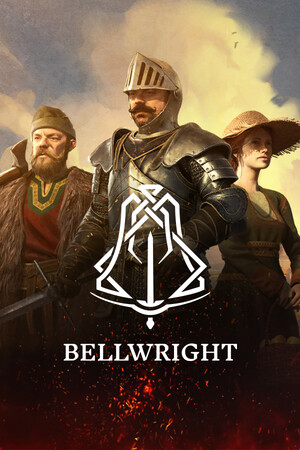
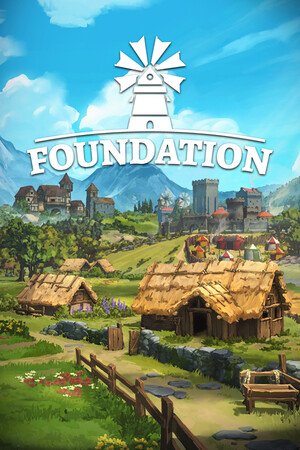

Review evidence
Why players say this
Review evidence
Why players say this
What players like
Fun and enjoyable gameplay: Many players describe the game as fun, enjoyable, and entertaining. The gameplay is often highlighted as unique and quirky, making it a favorite among players.
Active and dedicated developers: The developers are noted for their active involvement in improving the game, fixing bugs, and adding new features. Players appreciate the frequent updates and the developers' responsiveness.
Similar to RimWorld: The game is frequently compared to RimWorld, with players noting similarities in gameplay and style. It is often described as a blend of RimWorld with other elements, making it appealing to fans of that game.
High replayability and addictive: The game is described as having high replayability and addictive gameplay. Players find it stable and rich, providing many hours of enjoyable gameplay.
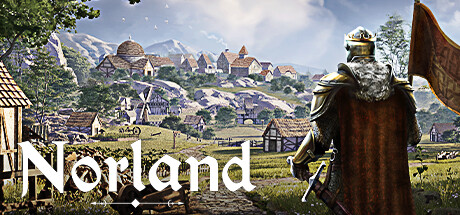
Medieval setting and atmosphere: The game's medieval setting and atmosphere are highlighted as special features. Players enjoy the medieval environment and the blend of political drama and economic management.
Common complaints
Optimization and performance issues: The game suffers from poor optimization, leading to lag and performance issues. Players also report problems with pathfinding, which affects the overall gameplay experience.
Insufficient content: Players frequently mention that the game needs more content. It is often criticized for having too little content and lacking detail, making the game feel limited and incomplete.
Presence of bugs: Players encounter various bugs while playing the game. Although these bugs are not always critical, they can still be frustrating and impact the overall enjoyment.
Incomplete and poor translations: The game has incomplete translations with many parts left untranslated. Some translations are machine-translated and of poor quality, which can detract from the player experience.
Balance issues: The game has notable balance issues that affect gameplay. Players feel that certain aspects of the game are poorly balanced, leading to an unbalanced and unfair experience.
Gameplay and performance
Medieval city-building focus: The game primarily focuses on city-building and management within a medieval setting, incorporating elements of social life simulation and political strategy.
Diplomacy and politics: Players engage in diplomacy and political maneuvering with other nations, involving intrigue and managing relationships with lords and nobles.
Complex character relationships: Character interactions and relationships are intricate, involving social dynamics, conflicts, and political intrigue.
Combat and military mechanics: The game features combat mechanics, including army management, AI behavior, and various combat scenarios like sieges and raids.
Resource management challenges: Players face economic challenges and must manage finite resources, including housing and various items, to sustain their city and population.
Optimization issues: The game suffers from various optimization problems, including poor performance with many buildings, inhabitants, and large armies. Players report lag and performance drops as the city grows.
Occasional bugs: There are reports of occasional bugs that, while not critical, can affect gameplay. These bugs include minor issues and slowdowns that can usually be fixed by reloading the game.
Frame rate drops: The game has issues with frame rate drops, especially as the number of inhabitants increases. This affects the smoothness of gameplay and can be particularly noticeable on mid-range PCs.
Performance on different systems: The game runs well on high-end systems like the 4090 and even on lower-end systems like a Radeon 780M. However, performance can vary significantly depending on the hardware.
Game speed and lag: The game can feel laggy, especially on high refresh rate monitors like 144Hz or 180Hz. There are also reports of stuttery movement and general lag issues over time.
Recommendations
Highly recommended for genre fans: The game is highly recommended for those who enjoy role-playing, strategic gameplay, and management games. It is particularly praised by fans of deep and character-driven management games.
Improve and expand gameplay mechanics: Suggestions include improving migration mechanics, adding more diplomatic options, and expanding combat and military systems. Players also want more research and a transparent skill learning system.
Add more content and variety: Suggestions include adding more voice variety, special illustrations, cutscenes for events, and musical accompaniment.
Add online and co-op features: Players suggest adding online features, including a co-op system and an online mode for trading, talking, and managing cities.
Wait for sale or trial: Some players suggest waiting for a sale or a free trial before purchasing the game to ensure it meets expectations.
Buying context
Community fair range: $10.00 - $20.00.
Game completion: 50.0h.
Story completion: 25.0h.
The game starts with a steep learning curve and initial challenges in resource management and population growth, but it becomes more enjoyable as players progress and unlock more features.
Reported time to anchor: 3h.
Friction: Steep learning curve; Insufficient tutorial; Complex resource and relationship management; Tedious early game tasks.
Unlock drivers: Accumulating population; Unlocking features and buildings; Progressing through the tutorial.
Player profiles
Strategy Enthusiast: Focuses on resource management, city building, and strategic combat. Motivation: Enjoys complex strategy and management gameplay. Stance: sale.
Development Supporter: Engages with the game regularly, provides feedback, and follows updates. Motivation: Supports ongoing development and enjoys seeing continuous improvements. Stance: buy.
Cautious Optimist: Plays occasionally, waits for updates and improvements. Motivation: Sees potential but waits for further development. Stance: deep sale.
Platform notes
Steam Deck: The game experiences significant stability issues, including frequent crashes and freezing, particularly on the Steam Deck. Additionally, the UI scaling and text readability are major concerns, with users finding the text too small to read comfortably. Combat mechanics are criticized for lacking depth and tactical control, and there are notable performance and optimization issues, especially in the later stages of the game.
Extra review signals
Monetization: The reviews indicate that the game has plans for future DLC content, which is mentioned multiple times. However, there is also a clear statement that the game does not include microtransactions or battle passes, which is a positive aspect. There is a complaint about the base price of the game, but this is not related to predatory monetization.
Other review notes
Good value for money: Players feel the game is worth the price, especially when purchased during a sale.
Desire for mod support: Players have expressed interest in having mod support added to the game, which could enhance gameplay and replayability.