- Fun, engaging core resource management gameplay.
- Beautiful and appealing pixel art style.
- Strategic deck-building mechanics for city construction.
- Roguelite campaign progression with new discoveries.
- Lacks depth, content, and long-term replayability.
- Poor UI, unintuitive mechanics, balance issues.

What players like:
Common complaints:
Gameplay feedback:
Performance notes:
Recommendations:
Other player notes:
Similar games
Blend with other games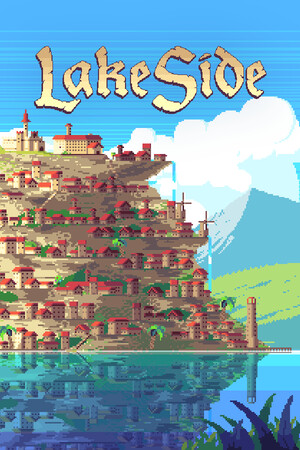





Review evidence
Why players say this
Review evidence
Why players say this
What players like
Fun, engaging, and rewarding gameplay: The game is praised for its engaging and fun gameplay loop, combining city-building with puzzle and strategy elements. Players find the game relaxing, addictive, and rewarding, with a good balance of luck and strategy. Many reviewers highlight the game's ability to make time fly by and provide a sense of accomplishment.
Beautiful and appealing pixel art: The game's visuals are consistently praised, with reviewers highlighting the beautiful pixel art style and aesthetically pleasing building designs. The changing shapes of buildings and cute details like flags add to the atmosphere and visual appeal. The high quality of the dot art further enhances the overall visual experience.
Strategic deck-building mechanics: The game features well-designed deck-building mechanics that allow players to discover new cards and strategies. Players have strong control over card draws, reducing frustration and adding to the strategic depth. Cards and artifacts can significantly impact gameplay, even allowing players to break core rules for unique building placements.
Simple interface, clear goals: The game features a simple and intuitive interface, making it easy for players to understand the goals and progress at their own pace. The resource management is not overly difficult, lowering the barrier to entry. The UI is well-organized, and the developer is responsive to feedback and bug reports, further enhancing the user experience.
Relaxing and immersive audio: The game's music is consistently described as beautiful, chill, and soothing, creating a relaxing and immersive atmosphere. The sound effects, such as clinking coins and flipping cards, are also pleasing and enhance the overall gameplay experience. The music complements the game perfectly, contributing to the positive experience.
Common complaints
Lacks depth, content, replayability: The game lacks depth and complexity expected of city builders, with limited content, repetitive gameplay, and a short campaign. Many reviewers felt the game becomes boring quickly due to these limitations, and the price is too high for the amount of content.
Poor UI, unintuitive mechanics: The game suffers from a poorly designed and unintuitive user interface, construction restrictions, and unclear information, making it difficult for players to understand and enjoy the game. These issues hinder the player's ability to build and manage their city effectively.
Balance issues, too easy: The game's balance is flawed, leading to exploits, unfair situations, and a lack of challenge. Resource abundance trivializes the experience, and the game rarely presents hard choices or meaningful challenges.
Excessive reliance on luck: The game relies heavily on luck due to its roguelike and card-based elements, leading to frustrating situations where players lack essential resources or draw useless cards. This reliance on RNG can lead to unavoidable failure and hinders construction freedom.
Useless cards, limited hand: Increasing the city level adds more building types, increasing the chance of drawing unwanted cards. The game lacks a tool for players to remove unwanted cards from the drawing pile, leading to frustration when drawing useless cards. The hand size is extremely limited.
Gameplay and performance
Core resource management gameplay: Resource management is a central mechanic, requiring players to balance resources like food, water, taxes, and building materials. Constructing facilities requires resources, and some facilities consume resources each turn. Players must carefully balance residential facilities with resource-generating buildings.
Strategic card-based city-building: The core gameplay loop blends city-building with deck-building and roguelite elements. Players strategically place building cards to manage resources, meet tier requirements, and optimize limited space. The game requires balancing building costs, adapting to random card draws, and planning for future development.
Roguelite campaign progression: The game incorporates roguelite elements, such as progressing through stages on a map and unlocking upgrades. This adds replayability and variety to the gameplay experience. However, some reviewers feel the game leans more towards economic management or a campaign game than a traditional city builder.
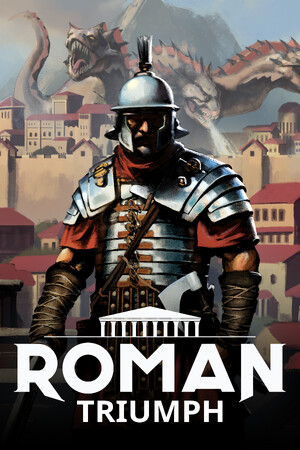
City defense and combat: The game features combat elements, including defending against enemy attacks. Increasing the town level triggers these attacks, necessitating military development. Fights at higher city levels are often resource checks based on military buildings.
Managing citizen loyalty: Players must manage 'Imperial Loyalty' (citizen happiness) by balancing needs, resources, and desires. Discarding cards lowers the city's loyalty, adding another layer of strategic consideration to card management.
Janky user interface: The game's user interface is unpolished and clunky. This can detract from the overall user experience, making navigation and interaction more difficult than necessary.
Frame rate locked at 60: The game's frame rate is capped at 60 FPS. While this may be sufficient for some players, others with high-end hardware or a preference for smoother visuals may find it limiting.
Recommendations
Generally recommended, enjoyable experience: Many reviewers recommend the game, citing its relaxing and charming gameplay, unique city-building mechanics, and the responsive developer. They find it enjoyable and are eager to continue playing, suggesting a positive overall experience.
Not a long-term game: The game is noted as not being a long-term, extensive experience like other city builders. It's more suited for casual play sessions rather than hundreds of hours of gameplay.
Consider purchasing on sale: Several reviewers suggest waiting for a sale before purchasing the game. This recommendation stems from concerns about the price point relative to the content currently offered.
Not recommended by some: Some reviewers do not recommend the game due to issues like data loss, lack of polish, and feeling incomplete. These negative sentiments lead to overall 'no' recommendations.
Needs more gameplay testing: The game needs more gameplay testing. This suggests potential issues with balance, bugs, or overall player experience that could be improved through further testing.
Other review notes
City-builder, roguelike hybrid: The game blends city-building with roguelike elements in a 2D format, featuring mini-campaigns where players construct multiple cities to achieve specific goals. However, some reviewers feel it leans more towards simply placing buildings rather than offering deep city-building mechanics.
Progression unlocks resources/buildings: Players accumulate progression points, which can then be used to unlock more starting resources and buildings. This system allows for a sense of advancement and customization as players progress through the game.
Core issues persist: Despite ongoing updates, core issues remain unaddressed. This suggests that while the developers are actively working on the game, the updates may not be targeting the most significant problems identified by players.
Basic music and sound: The music and sound design are considered functional but unremarkable. While they serve their purpose, they don't particularly stand out or enhance the overall gaming experience.
Perk choices matter: Players should carefully consider their perk selections. This suggests that perk choices have a meaningful impact on gameplay and require strategic decision-making.