- Evokes classic city-builder game nostalgia.
- Visually appealing and detailed graphics.
- Simple but enjoyable combat system.
- Repetitive campaign and scenario gameplay.
- Lacks depth, challenge, and complexity.
- Shallow economic and trade systems.
What players like:
Common complaints:
Gameplay feedback:
Performance notes:
Recommendations:
Other player notes:
Similar games
Blend with other games







Review evidence
Why players say this
Review evidence
Why players say this
What players like
Evokes classic city-builder nostalgia: The game is frequently compared to classic city builders like Caesar III, Pharaoh, and Zeus, with many reviewers considering it a worthy successor or spiritual successor. It successfully captures the nostalgic feel of these games while incorporating modern graphics and mechanics, making it appealing to both veterans and newcomers of the genre. Some reviewers consider it an improved or modernized version of Caesar III.
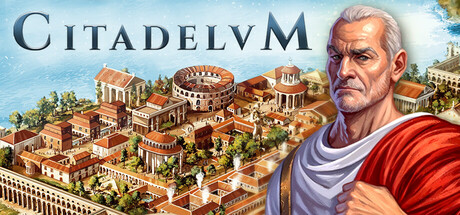
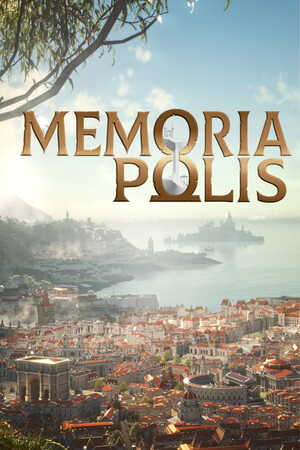
Visually appealing, detailed graphics: The game features visually appealing graphics with detailed building designs, animations, and a level of detail that allows players to see the interior of buildings. The updated graphics and attention to detail enhance the overall visual experience, making the game more immersive and enjoyable.
Simple but enjoyable combat: The game features a simplified combat system where players build armies and deploy troops in an overhead view before battles unfold automatically. While simplistic, the combat is enjoyable to watch and adds a fun element to the gameplay, requiring players to prepare their armies and defend their cities.
Engaging god and religion system: The game incorporates a unique Pantheon system where players can build temples for various gods and gain blessings and war advantages through sacrifices and activities. The God system is well-implemented and engaging, adding fun and originality to the game.
Detailed and diverse city-building: The game features a variety of resources and well-planned relationships between buildings and the terrain, allowing for creative freedom in city design. The city-building aspect is detailed, allowing for diverse construction and customization, with buildings generally looking good no matter where you place them.
Common complaints
Lacks depth, challenge, complexity: The game lacks depth, challenge, and complexity, leading to repetitive gameplay and a lack of replayability. Many reviewers compared the game unfavorably to older titles in the genre, such as Caesar III, citing a lack of meaningful choices and strategic depth. The game quickly becomes too easy, with resources readily available and little need for complex management.
Repetitive campaign and scenarios: Many reviewers found the campaign and scenarios repetitive due to identical maps, resources, and objectives. Missions often involve starting from scratch and repeating the same steps, leading to boredom. The lack of variety diminishes the sense of progression and long-term engagement.
Shallow economic/trade systems: The game's economic and trade systems are underdeveloped, with limited interaction with other cities and a lack of strategic depth. Many reviewers noted that resources are too easy to obtain, and trade feels like a side piece. There is a lack of specialization and complex trade systems.
Underdeveloped god mechanics: The god mechanics are underwhelming and have minimal impact on gameplay. Many reviewers noted that the gods are easily appeased with simple sacrifices, and their actions don't align with their mythological roles. The 'Olympus' view and god buffs feel sidelined.
Poor city defense implementation: City defense is poorly implemented, with ineffective guard units and simplistic enemy encounters. The player cannot use their army to defend the city, and city attacks are easily defeated or cause minimal damage. Many reviewers noted that the game design requires players to place numerous guard posts around the map for defense, which is considered a poor design choice.
Gameplay and performance
Combines city-building with combat/exploration: The game blends city-building with elements of combat, exploration, and trade, drawing comparisons to Caesar, Anno, and Total War. However, some reviewers find the combat to be simpler and less tactically deep than these other titles, suggesting a greater emphasis on city management.
Core: build, manage, upgrade cities: The core gameplay loop involves constructing and upgrading cities by managing resources, meeting citizen needs, and providing essential services. Buildings require road connections and specific conditions to function and upgrade, emphasizing strategic placement and resource allocation.
Engaging resource management system: The game features resource management through production chains, where raw materials are transformed into finished goods. The complexity increases as citizens demand more sophisticated goods, but overall the system is considered fairly comprehensive without being overly complex, making it accessible for newcomers.
Rock-paper-scissors combat system: The game features a military system with different unit types (infantry, archers, cavalry) that follow a rock-paper-scissors dynamic. Battles involve pre-battle deployment and automatic combat, with limited player control during the fight itself.
Appease gods for bonuses/avoid penalties: Players must appease a pantheon of gods by constructing temples, offering sacrifices, and holding festivals. Satisfying the gods grants blessings and economic boosts, while neglecting them can lead to divine wrath and destruction of buildings.
Animation quality could improve.: A small number of reviews mention that the animation quality could be improved. This is a minor point, but it does suggest an area where the game's visual presentation could be enhanced.
Incomplete depiction of Dii Consentes.: One review mentions that the rendering of the Dii Consentes (Roman gods) is reasonably well done, but only four of the twelve major gods are depicted. This is a very specific detail that may be relevant to players interested in the game's historical accuracy.
Recommendations
Enjoyable and Recommended: Many reviewers find the game enjoyable and recommend it, praising its engaging gameplay and potential. Some highlight its relaxing nature and suitability for casual play, while others appreciate its depth and complexity. The game is considered a worthwhile experience for fans of the city-building genre.
Buy on Discount: Many reviewers suggest purchasing the game at a discount due to concerns about its content, optimization, or overall value at full price. Some feel it's a bare-bones product or that there are better alternatives available, making it more appealing when on sale. This point reflects concerns about the game's value proposition at its regular price.
More Content Needed: Many reviewers express a desire for more content, updates, and features to enhance the game's replayability and depth. This includes additional missions, maps, building types, and gameplay mechanics. The sentiment reflects a belief in the game's potential and a hope for continued development and expansion.
Optimization Needed: Some reviewers mention performance issues and optimization concerns, hoping for improvements in future updates. This includes addressing loading problems and providing more granular graphics settings for a better player experience. Addressing these issues would improve the overall player experience.
Specific Gameplay Adjustments: Some reviewers suggest specific gameplay adjustments, such as disabling fires in sandbox mode, to improve the overall experience. This indicates that certain mechanics may be frustrating or unbalanced. These suggestions aim to tailor the game to individual preferences and address potential pain points.
Other review notes
Needs more development, potential: The game shows promise but needs further development. Reviewers appreciate the developer's commitment to post-launch support and community feedback, but some feel the game could have benefited from Early Access to refine its features and content before the full release. There is concern that the game may be abandoned before its potential is realized.
Multiple game modes, workshop: The game includes Campaign and Sandbox modes, plus a Map Editor and Steam Workshop support. The campaign offers around 10 missions, and players can access user-generated content through the Steam Workshop. Upcoming free DLC aims to address content limitations after the main campaign.
Roman city-builder, detailed setting: The game is a grid-based Roman city builder featuring resource management, trading, and battles, set in ancient Rome. The setting provides rich storylines and challenges based on the political system of the time, including the Senate, consuls, and emperors.
Decent graphics, retro aesthetic: The game uses decent 3D graphics with a 45° angle view reminiscent of older RTS and SIM games. The music is acceptable but unremarkable, and the overall aesthetic appeals to fans of older Sierra games.
House desirability impacts economy: House desirability, increased by statues, hedges, and fountains, impacts worker count and tax revenue. Higher-level houses require entertainment, religious buildings, doctors, and varied food, adding depth to city management.