- Enjoyable classic city-building with satisfying progression.
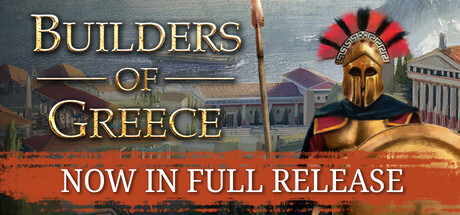
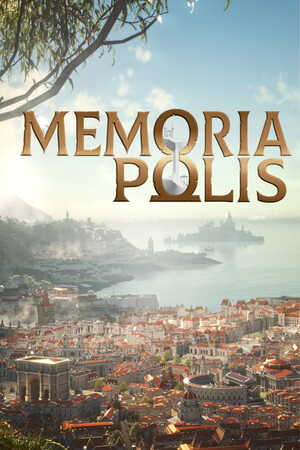
- Visually appealing graphics set in appealing Greek setting.
- Game plagued by significant technical issues.
- Lacks depth and innovation in the genre.
- Poor tutorial and restrictive camera controls.
- Simplistic, flawed combat mechanics.
What players like:
Common complaints:
Gameplay feedback:
Performance notes:
Recommendations:
Other player notes:
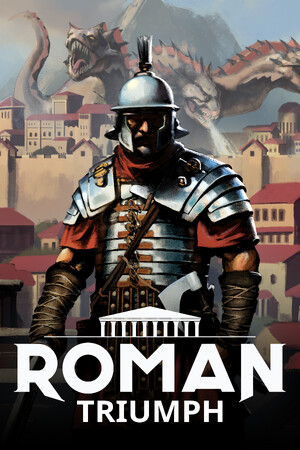
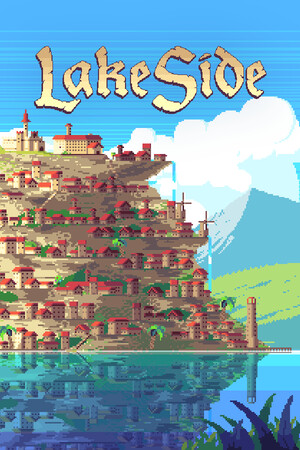
Similar games
Blend with other games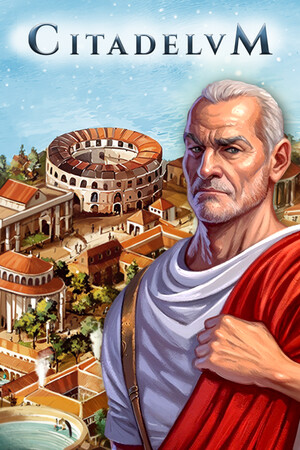




Review evidence
Why players say this
Review evidence
Why players say this
What players like
Enjoyable with great potential: Many reviewers express that the game is enjoyable and has a lot of potential for future development. The game is considered playable and enjoyable, and the core concept and gameplay loop are well-received.
Classic city-building gameplay: The game successfully captures the essence of classic city-building games like Caesar and Pharaoh, offering a familiar yet engaging experience. Players can construct and manage Greek cities, complete with intricate production chains and resource management, reminiscent of older titles set in Greece and Egypt.
Satisfying progression and management: The game features a satisfying town progression system where managing resources, worker happiness, and population tiers are key to success. The game allows focusing on the bigger picture rather than micro-managing, and infrastructure is key.
Visually appealing graphics: The game has appealing and well-designed graphics that are easy on the eyes. The graphics and overall environment appearance are good, with well-done animations.
Appealing Greek setting: The game's ancient Greek setting and architecture are a major draw, with detailed environments and a faithful representation of the era. The game brings ancient Greece to life with stunning graphics and authentic architecture.
Common complaints
Game plagued by technical issues: The game suffers from numerous technical issues, including frequent crashes, game-breaking bugs, loading problems, and save failures. Many reviewers describe the game as unplayable or unfinished due to these problems, with some noting that the issues persist even after re-installation. This widespread instability severely impacts the player experience.
Lacks depth and innovation: Reviewers feel the game lacks depth, innovation, and content compared to classic city builders and even mobile games. It's criticized for simplistic mechanics, missing features, and failing to introduce anything new to the genre, resulting in a bland and unengaging experience.
Poor tutorial and UI design: The game's tutorial, UI, and menus are poorly designed and unintuitive, making it difficult for players to learn the game and manage their cities. Reviewers note unclear instructions, outdated interfaces, inconvenient menus, and a lack of essential features like building rotation.
Camera controls are restrictive: Camera controls are clunky and restrictive, with limited zoom levels and awkward movement. This makes it difficult to manage cities effectively and negatively impacts the overall gameplay experience.
Simplistic, flawed combat mechanics: The game's combat and defense mechanics are criticized for being overly simplistic, unnecessary, and lacking depth. The card-based battle system is a particular point of contention, with reviewers disliking its implementation and feeling it detracts from the overall experience.
Gameplay and performance
Core: City-building, resource management: The core gameplay involves city building, resource management, and developing an economy in ancient Greece. Players manage resources, construct buildings, and oversee the growth of their city, progressing from a small village to a thriving city. The game incorporates elements from city-building classics like Caesar III and Anno, focusing on resource production such as wine and clay.
Variety of game features: The game features a variety of elements, including praying to gods, inviting great personalities, cosmetic buildings, a logical tech tree, a sandbox mode, a basic port trade system, an advisor, and 26 types of resources to manage. These features add depth and variety to the gameplay experience. However, some of these features may need further refinement to be fully realized.
Strategic building, resource transportation: Strategic placement of production buildings and warehouses is crucial for efficient resource transportation. The game emphasizes the importance of roads to speed up travel time and careful planning to optimize logistics. Efficiently moving resources is key to city growth.
Limited content, low replayability: The limited amount of available content, specifically only one playable map and scenario, significantly reduces replayability. This lack of variety may cause players to lose interest quickly. More maps and scenarios are needed to extend the game's longevity.
Population growth is challenging: Achieving a large population can be difficult due to worker shortages and the need for careful initial city planning. Even with ample housing, maintaining a sufficient workforce can be a challenge. This can be frustrating for players aiming to build large, prosperous cities.
Outdated, rough visuals: The game's visuals are considered outdated and unappealing by some players. They feel the graphics look like they are from a game released 10 years ago.
Good Steam Deck performance: The game runs well on the Steam Deck, indicating good compatibility with that platform.
Recommendations
Wait for improvements/discount: Many reviewers suggest caution due to the game's current state, citing bugs, unpolished gameplay, and missing features. While some see potential and recommend wishlisting for future updates, others advise waiting for substantial improvements or a significant discount before purchasing. Some reviewers refunded the game due to unplayable performance.
Good for genre/setting fans: The game is recommended for fans of city-building games, especially those interested in Ancient Greece. Some reviewers compare it favorably to other games in the genre like Anno, Caesar or Zeus&Poseidon, while acknowledging that it's not yet fully realized.
Extremely disappointing to some: Some reviewers express strong disappointment, considering the game among the worst in its genre, even comparing it unfavorably to older titles. One reviewer gave a very low score, citing only the Roman setting as a positive.
Fixes can change recommendations: A negative recommendation was retracted after a fix was implemented, and another reviewer would consider changing their recommendation to positive once the stability issues are resolved. This highlights the importance of addressing technical problems.
Needs better campaign/more maps: The game is criticized for lacking a proper campaign and sufficient maps, leading to a slow and uninspired experience. One reviewer was hesitant to finish the campaign due to these issues.
Other review notes
Game is in early access: The game is in early access, which means it is still under development and subject to change. Players should expect bugs and incomplete features.
Responsive developers: The developers are actively engaged with the community, particularly on Discord. This suggests they are responsive to feedback and committed to improving the game.
Missing day/night cycle: The game currently lacks a day/night cycle and weather effects. Implementing these features could enhance the game's atmosphere and visual appeal.
Need Greek lexicon: A lexicon of Greek terms and historical context would improve accessibility. This would help players better understand the game's setting and mechanics.
Population doesn't age: The game's population does not age. This may impact the game's realism and long-term gameplay.