- Detailed medieval life simulation and village development
- Unique blend of survival and village management
- Stunning graphics and relaxing, enjoyable gameplay
- Repetitive gameplay mechanics and limited customization options
- Poor NPC behavior and dull, repetitive quests
- Game stability, balance issues, and grindy mechanics
Emotions
Archetypes
Hardware
What players like:
Common complaints:
Gameplay feedback:
Performance notes:
Recommendations:
Other player notes:
Similar games
Blend with other games

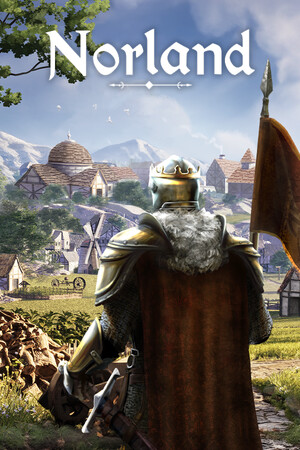


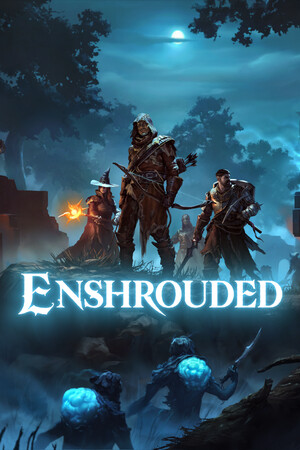
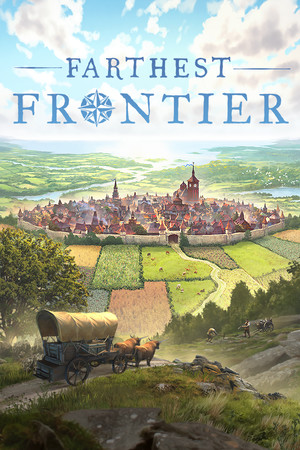
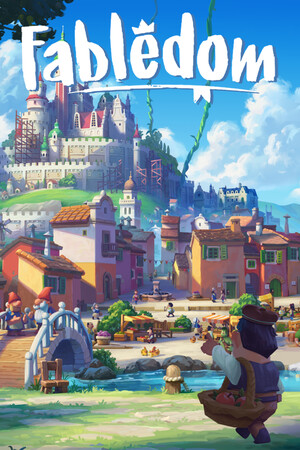

Review evidence
Why players say this
Review evidence
Why players say this
What players like
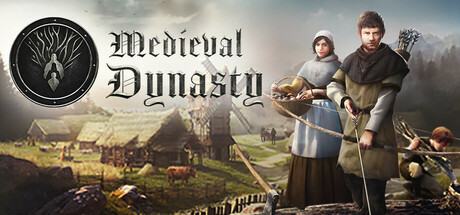
Detailed medieval life simulation: Set in medieval Europe, the game offers a realistic and immersive medieval life simulation. It combines strategic village building with a comprehensive medieval management gameplay.
Satisfying village development: Building and developing a village is a core and satisfying aspect of the game. Players enjoy the creative expression in village design and the progression from nothing to a prosperous community.
Unique blend of survival and village management: The game combines elements of survival, building, economy, and social management, creating an addictive and well-balanced gameplay loop. It seamlessly blends personal survival with village management.
Relaxing and enjoyable gameplay: The game offers a relaxing and stress-free experience, suitable for chilling and enjoying at a customizable pace. It provides a cozy and immersive gameplay experience.
Stunning graphics and atmosphere: The game features beautiful and detailed graphics, with impressive landscapes and environments that create a visually rich experience. The sound and graphics together contribute to a great atmosphere.
Common complaints
Repetitive gameplay mechanics: Players report that the gameplay becomes monotonous over time, with repetitive tasks and interactions. This repetitiveness makes the game feel boring and routine, especially in the late-game stages.
Limited customization options: The game offers very few customization options for characters, buildings, and interiors. Players find the available choices expensive and restrictive, which limits creativity and replayability.
Poor NPC behavior and variety: NPCs in the game lack intelligence and dynamism, often behaving poorly and looking similar. This lack of variety and depth in NPC interactions and appearances detracts from the overall experience.
Dull and repetitive quests: The quests in the game are often monotonous and lack variety, with many repetitive fetch quests. This makes the story and side quests feel uninteresting and dull.
Game stability and balance issues: The game suffers from various problems, including crashes, poor balance, and bugs. Players feel that the game is incomplete and sometimes abandoned due to these issues.
Gameplay and performance
Village building and management: A core aspect of the game is building and managing a village. Players can construct and customize their villages, focusing on development and management.
NPC behaviors and interactions: The game features detailed NPC behaviors and interactions, including AI, relationships, conversations, and personalities.
Medieval setting and simulation: The game features a medieval setting with a focus on life simulation, village management, and survival elements. Players can experience historical city building and manage a medieval village.
Quest and mission system: The game includes a quest system with mission-based gameplay, storytelling, and narrative quests.
Progression systems: The game includes various progression systems, such as technology development, quest systems, and economy systems.
Game crashes and freezes: The game experiences frequent crashes and freezes, which are significant issues affecting gameplay. These problems are widespread and impact the overall stability of the game.
Technical errors and bugs: Various technical errors and bugs have been reported, including falling through the map, combat music bugs, and desync issues in co-op mode.
Performance issues in dense areas: Players report performance issues, particularly in larger or denser villages and towns. This suggests that the game struggles with optimization in more complex environments.
Performance varies by platform: Performance varies widely across different platforms, with some players experiencing smooth performance while others encounter issues.
Multiplayer and connection issues: There are notable connection and multiplayer issues, including crashes and latency problems. These issues affect the cooperative and crossplay experiences.
Recommendations
Recommended for building and management fans: The game is highly recommended for fans of building, management, and simulation games, especially those with RPG elements and survival mechanics.
More NPC interactions needed: Players suggest adding more unique NPCs and interactions to enhance the game experience.
Great for multiplayer: The game is highly recommended for playing with friends and building online with others.
Ideal for medieval setting enthusiasts: Players seeking a relaxing and immersive medieval experience, including building their own medieval village, will enjoy this game.
Worth the price: The game is considered worth the price, even at full price, by many players.
Buying context
Community fair range: $10.00 - $20.00.
Game completion: 23.0h.
Session length: 0.5h.
Endgame: 15.0h.
The game starts slowly with repetitive tasks but becomes deeply satisfying and immersive as players progress and develop their village. Multiplayer can enhance the experience by reducing early-game tedium.
Reported time to anchor: 3h.
Friction: Slow start with repetitive tasks; Tedious resource management; Limited early-game content.
Player profiles
Chill Village Builder: Creative and exploratory village building. Motivation: Relaxation and creativity. Stance: buy.
Social Storyteller: Story-driven and cooperative gameplay. Motivation: Immersion and social interaction. Stance: sale.
Strategic Manager: Quest completion and resource optimization. Motivation: Strategic planning and resource management. Stance: deep sale.
Platform notes
The game generally performs well across most hardware cohorts, with some issues reported on systems with less than 8GB VRAM.
Windows <8GB VRAM: positive. The game performs well, but there are some graphical glitches and crashes, particularly when playing on a big TV.
Steam Deck: The game has several significant issues that impact the user experience on the Steam Deck. The most notable problems include UI/UX issues with unreadable text and a confusing interface, performance issues such as frame drops and lack of native FSR or Frame Generation support, hardware stress leading to overheating and battery drain, and control issues with unresponsive and slow controls. These issues collectively contribute to a less than optimal gaming experience.
Linux and Proton: The game generally runs well on Linux with some users reporting flawless performance. However, there are mentions of required tweaks to stabilize the game, such as adding specific launch commands. Overall, the game seems to have good compatibility with Linux, but some minor adjustments may be necessary for the best experience.
Extra review signals
Monetization: The analysis of user reviews reveals several concerns regarding the monetization practices of the game. Key issues include the perception that DLC content should have been part of the base game, the focus on releasing paid DLC instead of improving the base game, the feeling that the game is incomplete, and the high pricing of DLC and in-game items. These practices are seen as predatory and have a significant impact on the user experience.
External guides: The game suffers from significant issues related to inadequate tutorials, poor inventory management tools, and technical problems. Users frequently need to refer to external guides and tools to progress and manage their gameplay, which detracts from the overall experience. Additionally, technical issues like game crashes and resolution incompatibilities further hinder the user experience.
Other review notes
Praised for similarities to Skyrim: Players have drawn favorable comparisons between this game and Skyrim, highlighting similarities that they enjoyed.
Criticism of expensive DLCs: There are complaints about the cost of downloadable content, with players feeling that the DLCs are overpriced and lack substantial content.
Request for creative mode: Players have expressed a desire for a creative mode that unlocks all features and items, allowing for more freedom and creativity in gameplay.