- Enjoyable, customizable, and engaging core gameplay loop
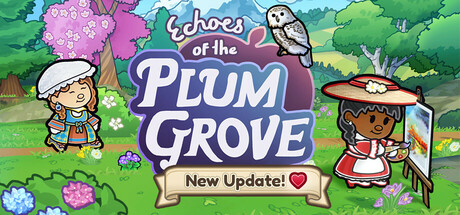
- Charming, appealing art style reminiscent of "Paper Mario"
- Unique farming/life sim with generational gameplay
- Repetitive, tedious, and grindy gameplay elements
- Shallow characters and relationships impact immersion
- Frequent crashes and technical issues hinder experience
What players like:
Common complaints:
Gameplay feedback:
Performance notes:
Recommendations:
Other player notes:
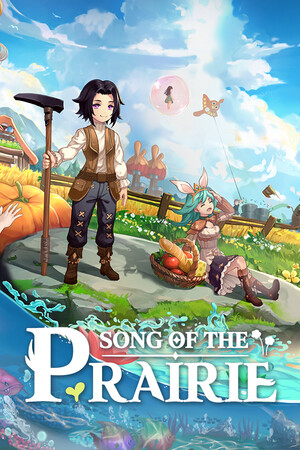
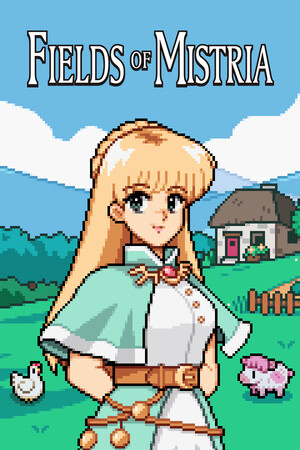
Similar games
Blend with other games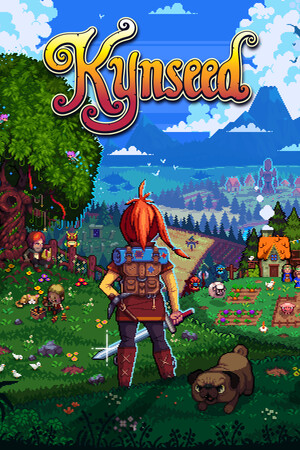






Review evidence
Why players say this
Review evidence
Why players say this
What players like
Enjoyable, customizable, and engaging gameplay: The game is generally enjoyable, cozy, and engaging with adjustable difficulty. Players appreciate the ability to customize their experience by toggling various mechanics, allowing for both relaxing and challenging gameplay. This flexibility caters to a wide range of play styles and preferences.
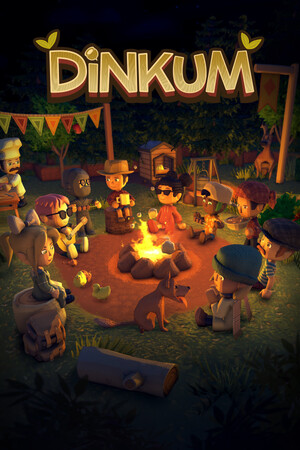
Charming, appealing "Paper Mario" art: The game features a charming and visually appealing art style, often compared to Paper Mario. Reviewers consistently praise the cute character designs, beautiful environments, and overall aesthetic, which contributes significantly to the game's positive reception and cozy atmosphere.
Unique, refreshing farming/life sim: The game offers a unique and refreshing take on the farming/life sim genre, distinguishing itself from titles like Stardew Valley. It combines familiar mechanics with new elements, such as a historical setting, generational gameplay, and survival aspects, creating a balanced and engaging experience.
Realistic disease and aging mechanics: The game incorporates realistic elements such as disease, aging, and death, adding depth and challenge to the gameplay. These mechanics create a dynamic and engaging world where players must manage resources, relationships, and the ever-present threat of illness.
Compelling generational gameplay mechanic: The game features a compelling generational gameplay mechanic where players can continue the game as their children after death. This adds depth and long-term goals, allowing players to build a lasting legacy and experience the game world through multiple perspectives.
Common complaints
Shallow characters and relationships: The characters and relationships in the game are described as bland, shallow, and underdeveloped. NPCs lack depth and unique personalities, making interactions feel lifeless and unrewarding. The relationship system is basic, with limited dialogue and a lack of meaningful connections between characters.
Repetitive, tedious, and grindy gameplay: Many reviewers found the gameplay loop to be repetitive, tedious, and grindy, especially concerning farming. Tasks like watering crops one-by-one, shaking trees, and resource gathering become monotonous. The slow pace and lack of automation contribute to this issue, making it difficult to progress and enjoy the game.
Limited and scarce resources: Resource gathering and crafting are hampered by limited resources, scarce materials, and slow progression. Players find it difficult to acquire basic building components and essential crafting materials, leading to a frustrating grind. The restrictions on mining and wood gathering, combined with high crafting costs, hinder player progress.
Incomplete and lacking content: The game is criticized for feeling incomplete, unfinished, and lacking content. Reviewers mention missing features, underdeveloped mechanics, and a general sense that the game is more like an early access title than a fully realized product. The main story is short and underwhelming, and many aspects feel sparse and unpolished.
Lacks polish and optimization: The game suffers from a lack of polish, with issues such as poor optimization, inconsistent visual style, and translation errors. Reviewers also noted missing features like item sorting, basic quality-of-life improvements, and clunky controls. These issues contribute to a feeling of an unfinished and unrefined product.
Gameplay and performance
Generational gameplay with aging/death: The game features generational gameplay where characters age, get sick, and die, with players continuing as their children. This system includes elements like family trees, inheritable traits, and town populations that change over time. The setting is inspired by the American Colonies and includes diseases and other historical elements.
Adjustable difficulty and settings: The game offers extensive customization options, allowing players to adjust the difficulty and gameplay experience. Players can toggle mechanics like hunger, disease, aging, taxes, and tool durability. This flexibility allows for both challenging survival experiences and more relaxed gameplay.
Core farming/social simulation gameplay: Core gameplay revolves around farming, fishing, foraging, crafting, and building relationships with NPCs. The game offers a variety of crops, recipes, and items, with mechanics similar to Stardew Valley but with unique elements. Fishing is present as a mini-game.
Dark themes and social interactions: The game allows for a range of social interactions, including negative ones like insulting villagers, and contains some dark themes. The game world includes elements like ghosts, murder, and diseases, offering a unique twist on the farming sim genre.
Resource management and planning: The game features mechanics like food spoilage, tool durability, and the need to stockpile resources for different seasons. Recipes often require ingredients from multiple seasons, encouraging long-term planning. These elements add depth to the resource management aspect of the game.
Various gameplay-impacting bugs: Players have encountered a variety of specific bugs that impact gameplay. These include issues with saving, world loading, item interaction, NPC behavior, and event triggers, demonstrating a lack of polish.
Causes overheating and high fan: The game's poor optimization causes computers to overheat, with the fan running at high speeds. This heavy performance load is comparable to more graphically demanding games, making it unplayable on some systems.
Minimalist but beautiful art: The game features a minimalist but beautiful art style, with lightweight performance and cel-shaded map scenes. This contributes to the game's overall aesthetic appeal.
Farm animal interaction issues: There are inconsistencies and ambiguities regarding farm animal interactions and characteristics. Adult farm animals cannot be petted, and it is unclear if all farm animals are supposed to be male.
Well-designed tutorial: The tutorial is well-designed and includes a section in the menu for reviewing forgotten features. This helps players learn the game mechanics and provides a useful reference.
Recommendations
Strongly recommended; fun and addictive: The game receives overwhelmingly positive recommendations, with many reviewers praising its addictiveness, charm, and unique blend of genres. Many suggest it is well worth the price and express excitement for future updates and content. Some reviewers gave perfect scores, while others noted minor issues that did not detract from the overall enjoyment.
Similar to Stardew Valley/Sims: Reviewers frequently compare the game to other popular farming and life simulation titles like Stardew Valley, Harvest Moon, and The Sims, often recommending it to fans of those games. The game is seen as a cozy and relaxing experience, with some reviewers highlighting its unique features and challenging gameplay elements. However, some reviewers note that the game doesn't stand out enough from other cozy/farming games.
Awaiting future updates/content: Many reviewers are looking forward to future updates and content additions, suggesting that the game has potential but needs further development. Some reviewers recommend waiting to see how the game evolves before purchasing, while others express a willingness to re-evaluate their reviews after future updates are released. Some reviewers are waiting for optimization improvements.
Worth buying on sale: Some reviewers suggest that the game is only worth buying when it's on sale. One reviewer considers this one of their best purchases. This suggests that the game's value proposition is better when it is discounted.
Desire for more locations: Some reviewers express a desire for more locations, such as an expanded woods area, to enhance the game's content. They are also looking forward to new characters or the opening of new areas. One reviewer suggests that it would be great if the game could add new island maps as DLC.
Other review notes
Inclusive, generational gameplay: The game features inclusive options like same-sex marriage, diverse characters, and even character pregnancies regardless of gender. The game also has a generational gameplay mechanic, allowing players to experience 'infinite generations'.
Mix of cozy, survival elements: The game blends elements from various titles, such as Rimworld, Harvest Moon, Stardew Valley, Paper Mario, The Sims, and Don't Starve. The art style is reminiscent of Paper Mario, while the gameplay combines cozy elements with survival challenges.
18th-century setting, modern elements: The game is set in the 18th century, Early-Modern/Colonial New England, but it should not be taken as a realistic depiction of the first American colonies. The game presents a glimpse of modern life, specifically referencing Canadian elements like taxes and low starting pay.
Developed by small, responsive team: The game is developed by a small team of two people, who are actively taking feedback to improve the game and are upfront with planned improvements. This highlights the dedication and responsiveness of the developers.
Incomplete translations, translation settings: Some parts of the game are not translated into Chinese, and there is no Japanese language support. However, the simple font and UI allow for smooth gameplay using translation software. The reviewer provides translation settings for Korean using Unity's automatic translation and PapagoTranslate API.