- Engaging and immersive story experience
- Satisfying and addictive gameplay loop
- High replayability and content volume
- Excessive grinding disrupts gameplay flow
- Poor narrative pacing frustrates players
- Outdated and unpolished visuals present
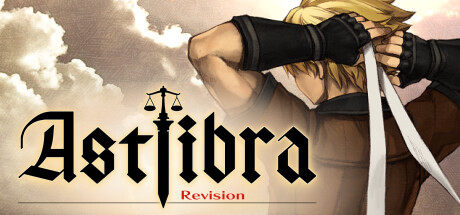
Emotions
What players like:
Common complaints:
Gameplay feedback:
Performance notes:
Recommendations:
Other player notes:
Similar games
Blend with other games 86%DRAGON QUEST® XI S: Echoes of an Elusive Age™ - Definitive Edition
 86%CrossCode
 85%Secrets of Grindea
 84%CRYSTAR
 84%Bloodstained: Ritual of the Night
 83%Clair Obscur: Expedition 33
 83%CHRONO TRIGGER®
 83%Tales of Vesperia: Definitive Edition
 83%OCTOPATH TRAVELER™
 83%8-Bit Adventures 2
 82%Rogue Legacy 2
 82%DEAD OR SCHOOL
Review evidence
Why players say this
Review evidence
Why players say this
What players like
Engaging and immersive story: The game's narrative is consistently praised for its depth, emotional impact, and well-structured plot twists. Players highlight its engaging nature, likening it to high-quality JRPGs like *The Witcher 3*, with frequent mentions of twists, character development, and a satisfying conclusion.
Satisfying and addictive gameplay loop: The combat and progression systems are described as highly rewarding, with strong positive feedback loops that encourage replayability. Players appreciate the balance between grinding, exploration, and skill progression, which keeps the experience engaging and fresh.
High replayability and content volume: The game offers extensive content, including multiple playthroughs with unique story elements, hidden bosses, and build diversity. Players highlight the value for money, with 40–80+ hours of gameplay, post-game content, and replay incentives like New Game+ modes.
High-quality music and soundtrack: The game's music is frequently highlighted as a standout feature, enhancing immersion and emotional moments. Players praise its composition, variety, and how well it complements gameplay and narrative scenes, with some tracks becoming iconic.
Strong character and world-building: Characters are well-developed, memorable, and emotionally impactful, with distinct personalities and growth arcs. The world-building is praised for its creativity, especially in blending genres (e.g., medieval fantasy and sci-fi) and executing time-travel mechanics flawlessly.
Common complaints
Excessive grinding disrupts gameplay: Players frequently criticize the game for requiring repetitive grinding for progression, materials, and weapons, which disrupts narrative flow and becomes tedious. This issue spans multiple difficulty levels and affects both mid and late-game experiences.
Poor narrative and pacing: The story is described as clichéd, convoluted, or emotionally draining, with slow pacing, plot holes, and rushed endings. Some chapters feel stretched or disjointed, and character development is weak.
Outdated and unpolished visuals: Graphics, animations, and art style are described as outdated, janky, or inconsistent, with cheap-looking effects and poorly integrated free assets. The visual presentation detracts from immersion and feels unpolished.
Weak character development: Characters, particularly the female protagonist, are criticized for being clichéd, underdeveloped, or poorly utilized. Some arcs feel unresolved, and character designs lack depth or appeal.
Excessive and misplaced fan service: Fan service, including nudity and sexual humor, is criticized for feeling out of place, reducing immersion, and undermining serious narrative moments. It is described as repetitive and tactless.
Gameplay and performance
Grinding-heavy progression systems: The game features extensive grinding mechanics for level-ups, equipment upgrades, and skill progression. Players frequently mention farming materials, weapons, and passive skills to advance, especially in later stages or DLC content.
Skill trees and character customization: Character progression includes skill trees, talent grids, and attribute systems for unlocking abilities, passive upgrades, and equipment mastery. Players highlight build diversity and customization options.
JRPG narrative with time-travel themes: The story follows a traditional JRPG structure with anime tropes, time-travel mechanics, and emotional character arcs. Players note foreshadowing, twists, and a chapter-based progression that introduces new mechanics over time.
2D side-scrolling action RPG combat: The game is primarily a 2D side-scrolling action RPG with real-time combat, hack-and-slash mechanics, and auto-combos. It blends action-platformer elements with RPG progression, often compared to Castlevania or Metroidvania titles.
Deep combat with feedback loops: Combat is designed to be satisfying and responsive, with strong hit feedback, combos, and varied weapon mechanics. Players highlight the system's depth, including guard breaks, magic, and dash mechanics, though some note initial generic impressions.
Optimized for Steam Deck: The game runs smoothly on Steam Deck, including the OLED model, with low system requirements and no need for manual adjustments. This broadens accessibility for portable gaming.
Performance stuttering and drops: Frequent stuttering and framerate drops, especially during combat, degrade the experience. These issues are widespread and impact fluidity, even on capable hardware.
Hitbox inconsistencies in combat: Inconsistent or poorly designed hitboxes, particularly for enemies, disrupt combat fairness and precision. Players note this as a recurring issue affecting gameplay quality.
Controller vibration improves combat: Players consistently highlight that controller vibration enhances the tactile feel of combat, making actions like attacks and impacts more immersive. This feature is frequently praised for its positive contribution to gameplay.
Missing FPS and VSync options: Players report frustration over the absence of FPS and VSync settings, which limits performance customization. Some also experience performance issues at 60 FPS, suggesting optimization gaps.
Recommendations
Ideal for story-driven RPG fans: The game is highly recommended for players who prioritize deep narratives, emotional payoffs, and replayable RPG experiences. It appeals to fans of JRPGs, Metroidvanias, and classic adventure games with layered storytelling.
Balanced for action RPG fans: Recommended for fans of action RPGs, side-scrollers, and games with deep combat mechanics. It caters to both casual and hardcore players, though challenges may require grinding or guides.
Unique genre blend: Stands out for its fusion of JRPG, time-loop narratives, and side-scrolling action, offering a singular experience in the gaming landscape.
Replayability and hidden content: The game offers high replay value due to multiple endings, character builds, and hidden content. Players are advised to use guides or save files strategically to maximize their experience.
Demo strongly recommended: Players are encouraged to try the demo first to gauge interest, especially due to the game's unique mechanics and potential frustrations (e.g., grinding or difficulty spikes).
Other review notes
Solo developer's 15-year journey: The game was developed by a single person, KEIZO, over 14-15 years as a passion project and lifetime work. This highlights the dedication and personal investment of the developer.
DLC expands gameplay significantly: The DLC is described as substantial, adding combat-focused content and effectively functioning like a second game. This suggests high value for players seeking extended gameplay.
Time travel and divine conflicts: The story revolves around themes of time travel, romance, and divine conflicts, offering a rich and engaging narrative experience for players.
Anime and nostalgic comparisons: The game is frequently compared to anime or nostalgic titles like Zelda, indicating its strong narrative or stylistic appeal to fans of those genres.
Free chapters before full release: The game was originally released as free chapters before being published as a full title, which helped build an early audience and community.