- Exceptional storytelling and immersive worldbuilding
- Deep emotional connection to characters
- Engaging and accessible gameplay mechanics
- Poor player guidance and progression system
- Repetitive and tedious gameplay loops
- Frustrating dungeon and corridor design
Emotions
What players like:
Common complaints:
Gameplay feedback:
Performance notes:
Recommendations:
Other player notes:
Similar games
Blend with other games



Review evidence
Why players say this
Review evidence
Why players say this
What players like
Exceptional storytelling and worldbuilding: The game is praised for its rich lore, memorable characters, and emotionally engaging narrative. Players highlight the depth of the story, its integration with gameplay, and the high quality of writing and worldbuilding.
Deep emotional connection to characters: Players consistently express strong emotional attachments to the characters, describing them as relatable, well-written, and deeply human. The characters' struggles and personalities resonate personally with many players.
Engaging and accessible gameplay: The gameplay is described as simple yet engaging, with mechanics that enhance the story rather than detract from it. The turn-based combat, particularly the rock-paper-scissors system, is highlighted as fun and easy to understand.
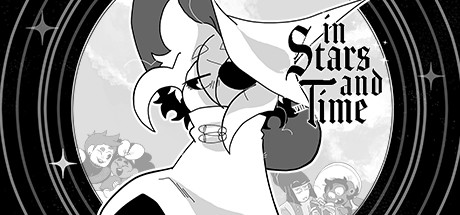
Striking and memorable art style: The game's visual design, particularly its monochrome and pixel art styles, is praised for its beauty, charm, and ability to enhance the narrative and emotional impact.
Relatable and witty protagonist: The protagonist, Siffrin, is praised for being relatable, witty, and deeply developed. Players appreciate the protagonist's emotional journey, particularly for those who identify with anxiety or people-pleasing tendencies.
Common complaints
Poor player guidance and progression: Players frequently struggle with unclear objectives, unintuitive progression systems, and dead ends due to unnoticed mistakes. This creates confusion and frustration, particularly in story-driven segments.
Repetitive and tedious gameplay: The game suffers from repetitive mechanics, shallow combat, and excessive backtracking, leading to player boredom and frustration. This is especially pronounced in later acts and during 100% completion.
Unsatisfying combat and puzzles: Combat feels generic, trivial, or mandatory rather than engaging, while puzzles are either too easy or poorly designed with unclear solutions. This diminishes gameplay variety and challenge.
Pacing and length issues: The game overstays its welcome, with slow narrative pacing in early stages and repetitive loops (e.g., 21 loops required) causing fatigue. Act 5 is particularly criticized.
Frustrating dungeon and corridor design: Dungeon navigation is intentionally annoying, with chaotic enemy encounters in narrow corridors and excessive backtracking, leading to player rage and fatigue.
Gameplay and performance
Time loop core mechanic: The game heavily features a time-loop mechanic as its central gameplay and narrative device, with repetitive actions designed to immerse players in the protagonist's experience. This mechanic is praised for its simplicity and integration with storytelling but noted as potentially repetitive.
Turn-based combat with RPS elements: The combat system is turn-based and incorporates rock-paper-scissors mechanics for decision-making, adding a strategic layer. While simple, it is described as engaging and easy to overcome.
Narrative-driven gameplay focus: The game emphasizes story and emotional progression, blending RPG elements with puzzle-solving and exploration. Players highlight its balanced approach to storytelling without sacrificing gameplay depth.
Simple but clever mechanics: Gameplay mechanics are straightforward but effective, often mirroring the protagonist's emotions or serving narrative themes. Puzzle and trap mechanics are tied to progression and storytelling.
Character development and interactions: Character growth is tied to narrative progression, with unique interactions and relationships driving emotional depth. Players praise the focus on character-driven storytelling.
Minimal gameplay bugs: Players frequently report encountering very few bugs during gameplay, indicating a stable and polished experience. This suggests strong quality assurance and testing efforts.
Strong dialogue edge-case handling: The game excels in detecting and managing edge cases in dialogue, ensuring smooth and immersive interactions. This reflects well on the game's narrative design and technical robustness.
Recommendations
Story-driven RPG masterpiece: The game is overwhelmingly recommended for its deep storytelling, emotional impact, and character depth. Players highlight it as a must-play for fans of narrative-heavy RPGs, visual novels, and time-loop narratives.
Not for pure gameplay fans: The game is explicitly not recommended for players seeking deep or engaging gameplay mechanics. Its strengths lie in storytelling, not traditional RPG systems.
Play blind for full experience: Many reviewers emphasize the importance of experiencing the game without guides or spoilers to fully appreciate its emotional and narrative depth. Backtracking and exploration are noted as key to immersion.
Gameplay flaws acknowledged: While the story is the main draw, some players note repetitive mechanics, backtracking, or outdated gameplay elements. Guides or playthroughs are suggested to mitigate tedium.
Worth full price and replay: Despite minor flaws, the game is considered worth its price for its length, emotional depth, and replayability. Many recommend buying it even at a higher cost.
Other review notes
Varied playthrough lengths: Players report significantly different completion times, ranging from 24 to 100 hours for a first playthrough. This suggests variability in pacing or player engagement.
Cultural and media influences: The game references other media like *Undertale* and *Steven Universe*, suggesting a design inspired by or catering to fans of these works.
Missable narrative content: Some players noted that certain content can be missed due to narrative choices or lack of clear indicators, which may impact replayability or completeness.
Missing French localization: Despite references to French culture or language, the game lacks a full French localization, which may alienate or frustrate French-speaking players.
Text-heavy gameplay: Players noted the game relies heavily on text, which may impact accessibility or engagement for those preferring minimal reading.