- Immersive choice-driven narrative experience
- Outstanding soundtrack enhances atmosphere
- Visually striking and unique art style
- Innovative time-rewind mechanic gameplay
- Slow dialogue pacing disrupts engagement
- Meaningless choices lead to divisive ending
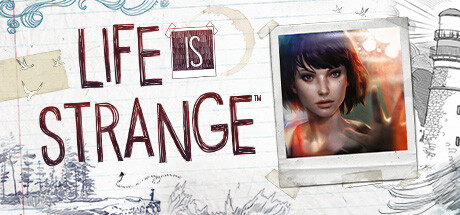
Emotions
What players like:
Common complaints:
Gameplay feedback:
Performance notes:
Recommendations:
Other player notes:
Similar games
Blend with other games




Review evidence
Why players say this
Review evidence
Why players say this
What players like
Immersive choice-driven narrative: The game excels in creating an engaging, narrative-driven experience where player choices significantly impact the story and character outcomes. This mechanic encourages replayability and deep emotional investment.
Outstanding soundtrack and atmosphere: The soundtrack is praised for enhancing emotional beats, fitting the mood perfectly, and creating an immersive atmosphere. It is often described as memorable and impactful.
Visually striking art style: The game’s art style is poetic, atmospheric, and visually appealing, enhancing the narrative and emotional tone. Scenery and character expressions are often highlighted as beautiful and immersive.
Polished and well-optimized gameplay: The game is praised for its polished mechanics, balanced gameplay, and optimization, even on less capable hardware. Minor issues like graphics or bugs are often overlooked due to the overall quality.
Innovative time-rewind mechanic: The time-rewinding mechanic is well-integrated into gameplay, allowing players to explore consequences and outcomes of decisions. It adds depth to puzzles, conversations, and narrative twists.
Common complaints
Slow, unengaging dialogue pacing: Players frequently criticize the game's dialogue for being overly long, slow-paced, and unskippable, particularly in early chapters. This disrupts gameplay flow and reduces engagement, with many describing it as tedious or cringeworthy.
Meaningless choices, divisive ending: Player choices are often perceived as having little impact, with only two endings determined by a single emotional decision. The ending is divisive, with some finding it unsatisfactory or illogical, and others feeling emotionally manipulated.
Technical and gameplay flaws: The game suffers from bugs, stiff animations, lip-syncing issues, and minor glitches, particularly in the remaster. Some areas are too dark, and gameplay is often criticized as overly passive or repetitive.
Unrealistic story and characters: The main conflict and romantic storylines are seen as forced or inauthentic, particularly when analyzed critically. Characters, especially Chloe, are described as poorly written, unlikable, or overly dramatic.
Confusing time mechanics: The time-rewinding mechanics are criticized for being inconsistent, confusing, or repetitive. Players report making poor decisions due to unclear rules or feeling that puzzles are filler.
Gameplay and performance
Puzzle-solving elements: Puzzles are integrated into the gameplay, often with psychological or step-by-step problem-solving elements. However, some reviews note that puzzles can feel like filler in later episodes.
Dialogue-heavy interactions: Gameplay is heavily reliant on dialogue-based interactions, cutscenes, and character conversations. This format is central to the narrative-driven experience but may limit action-oriented gameplay.
Exploration and interaction: Players engage in environmental exploration, interact with objects and characters, and gather information to progress the narrative. This mechanic complements the choice-driven and dialogue-heavy gameplay.
Horror and supernatural themes: The game incorporates horror elements, particularly in later episodes, alongside supernatural themes like time travel and disasters. These elements add tension and depth to the narrative.
Photography mechanics: Unique gameplay includes photo-taking mechanics, which are tied to time reversal and revisiting past events. This adds a creative layer to the narrative and exploration.
Strong performance on low-end hardware: The game is well-optimized, running smoothly on older devices (e.g., Xbox 360, low-end PCs) and even achieving 60 FPS on max settings for some users.
Frequent audio-visual bugs: Players report sound issues, remaster bugs, and general glitches during gameplay, impacting immersion. Some reviews explicitly downgrade ratings due to these problems.
Texture and graphics flaws: Textures appear blurry, pale, or layered, especially on lower settings. Outdated modeling and animations are also noted due to the game's age and budget constraints.
Camera and stability issues: Camera lock-ups and crashes occur, particularly without proper hardware (e.g., Nvidia GPU with PhysX). Some players report losing progress due to technical instability.
Android app instability: The mobile version crashes frequently, indicating platform-specific optimization problems.
Recommendations
Must-play for story lovers: The game is consistently described as a masterpiece and a must-play for fans of emotional, narrative-driven experiences. Players highlight its storytelling, character depth, and impactful choices as key reasons for strong recommendations.
Ideal for time-travel and drama fans: The game is particularly recommended for fans of time-travel fiction, high school drama, and emotionally charged narratives, as these elements are central to its appeal.
Worth the price and time: Reviewers frequently mention that the game is worth its price and is a valuable experience, even if played only once. The emotional and narrative depth justifies the investment for many players.
Play blind for best experience: Many reviewers emphasize the importance of avoiding spoilers, trailers, or gameplay previews to fully appreciate the game's emotional and narrative impact. Playing blind is recommended for the most immersive experience.
Free first chapter to test appeal: The game offers a free first chapter, which is suggested as a low-commitment way to determine if the game's style and narrative resonate with the player before investing time or money.
Other review notes
Telltale-style storytelling influence: Players frequently highlight the game's narrative design as inspired by Telltale Studios, emphasizing its choice-driven and episodic structure. This suggests a strong connection to interactive, consequence-driven storytelling.
Emotional themes of sacrifice and responsibility: Players resonate with the game's exploration of sacrifice and responsibility, often citing these themes as deeply impactful. Some even get tattoos inspired by these motifs, reflecting strong personal connections.
Action consequences impact gameplay: The game is praised for incorporating meaningful consequences for player actions, reinforcing replayability and player agency. This feature is a key draw for narrative-driven experiences.
High-quality translations for accessibility: Non-English speakers appreciate the game's well-executed translations, which allow them to fully enjoy the story and themes in their native language. This broadens the game's appeal globally.
Comfort during stress revisits: The game serves as a source of comfort for players during stressful periods, indicating its emotional resonance and replay value as a coping mechanism.