- Strong narrative and immersive storytelling experience
- High-quality voice acting enhances character depth
- Excellent music and atmospheric sound design
- Illusion of choice limits meaningful dialogue impact
- Linear and short gameplay feels rushed
- Poor technical execution with bugs and glitches
Emotions
What players like:
Common complaints:
Gameplay feedback:
Performance notes:
Recommendations:
Other player notes:
Similar games
Blend with other games





Review evidence
Why players say this
Review evidence
Why players say this
What players like
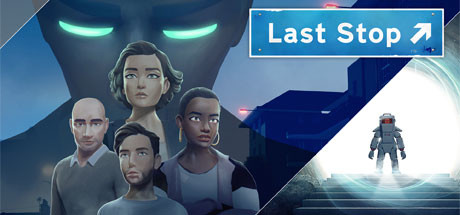
Strong narrative and storytelling: Players consistently praised the game's engaging and well-structured narrative, highlighting its interconnected storylines, cinematic presentation, and emotional depth. The storytelling was described as captivating, unique, and thought-provoking.
High-quality voice acting: The voice acting was widely praised for its authenticity, emotional range, and seamless integration with the narrative. Players highlighted the British voice acting and the overall high production value of the performances.
Excellent music and sound design: The soundtrack and sound design were described as fantastic, memorable, and well-matched to the game's atmosphere. Players noted the orchestral music and how it enhanced the storytelling experience.
Unique and appealing art style: The game's visuals and art style were praised for their charm, effectiveness, and artistic choices. Players appreciated how the simple graphics worked as a deliberate design decision and contributed to the game's atmosphere.
Engaging pacing and tone: The game's pacing was highlighted as smooth and well-balanced, blending comedy, suspense, drama, and sci-fi effectively. Players enjoyed the mix of tense, humorous, and dramatic moments throughout the narrative.
Common complaints
Illusion of choice in dialogue: Dialogue options often feel meaningless or redundant, with little impact on the story except in the final chapter. Players note mismatched spoken lines, vague options, and outcomes that rarely differ despite choices.
Weak and rushed story structure: Players consistently report a disjointed, rushed, or unsatisfying narrative, particularly in the final chapters. Many describe the story as mediocre, unremarkable, or lacking depth, with abrupt plot developments and unresolved questions.
Linear and short experience: The game is perceived as overly linear, with minimal replay value and a short runtime. Players note forced progression structures (e.g., completing all first episodes before advancing).
Unmet genre expectations: Players compare the game unfavorably to titles like *Life is Strange* or *Telltale Games*, citing weaker storytelling, mechanics, and emotional impact. The trailer is also criticized for misrepresenting the experience.
Minimal gameplay diversity: The game is criticized for lacking true gameplay, often described as a 'walking simulator' with repetitive mechanics like excessive walking or mundane tasks. Players report frustration with limited interactivity and monotonous sequences.
Gameplay and performance
Dialogue choices feel inconsequential: Most dialogue choices in the game only affect tone or emotion, with minimal impact on the narrative until the finale. Players report frustration over choices that appear meaningful but lead to the same outcomes.
Endings determined by final choices: While most choices lack impact, the game offers multiple endings (e.g., 2 per character or 6–9 total) based on key decisions in the final chapter. This creates a sense of agency despite earlier limitations.
Minimal gameplay mechanics: Gameplay is heavily narrative-driven, with walking simulators, QTEs, and occasional minigames (e.g., brushing teeth) serving as the primary interactive elements. Players describe it as an 'interactive movie.'
Three distinct but interconnected storylines: The game features three protagonists with separate, genre-diverse narratives that eventually merge into a sci-fi adventure. Players alternate between characters in a structured, chapter-based format.
Chapter-based narrative structure: The story is divided into 6 chapters per character, with a final wrap-up chapter. Players can choose the order of character chapters, though the linear progression remains fixed within each storyline.
Poor and inconsistent animations: Players frequently report subpar, janky, or unnatural animations, including abrupt cuts and inconsistent physics (e.g., car wheels). These issues disrupt immersion and gameplay flow.
Camera control frustrations: Camera-related issues, such as unintended panning and awkward angles, hinder navigation and player experience. These problems exacerbate animation and movement disruptions.
Game-breaking and visual bugs: Critical bugs, including characters falling through floors, clipping, and vanishing models, severely impact gameplay. These issues are widespread and frequently cited as major flaws.
Save system instability: A specific bug occurs when the game is installed on a non-default drive, leading to save file corruption or loss. This issue affects players with limited storage options.
Muddy and unclear graphics: Players describe the game's visuals as 'muddy,' indicating a lack of clarity or sharpness in textures and overall presentation. This detracts from the visual experience.
Recommendations
Best purchased on sale: Many reviews suggest waiting for a discount due to the game's short length, repetitive gameplay, or niche appeal. Full price is often deemed unjustified, with recommendations to buy via Xbox Game Pass or during sales.
Ideal for narrative-driven fans: The game is consistently recommended for players who enjoy story-focused, interactive fiction experiences, such as fans of *Life is Strange*, *TellTale Games*, or Annapurna Interactive titles. It appeals to those who prioritize narrative over gameplay depth or technical performance.
Short and accessible experience: The game is described as a light, 6-7 hour experience that is easy to get into, making it suitable for casual playthroughs. However, its brevity is a common point of criticism when evaluating value.
Mixed but leaning positive: While some reviews recommend the game despite its flaws (e.g., repetitive gameplay or short length), others advise caution or asterisks. The overall sentiment is positive for its narrative but tempered by gameplay limitations.
Appeals to niche audiences: The game is praised for its storytelling but is not considered a must-play title. It is best suited for fans of interactive fiction, overseas dramas, or those who enjoy platinating games (achievement hunting).
Other review notes
Missable achievements frustrate players: Achievements tied to specific dialogue choices are noted as problematic, with players advising others to track them carefully to avoid unnecessary replays.
Engaging but non-scary detective story: Players appreciate the detective narrative’s accessibility, noting it avoids horror elements while remaining engaging for broader audiences.
Includes practical life lessons: The game incorporates real-world advice, such as the importance of CVs in job applications, adding educational value for younger players.
Affordable pricing noted: Some players mention purchasing the game at a discounted price (e.g., 300 rubles), suggesting perceived value aligns with lower cost.
Passive experience compared to videos: Some feedback likens the game to watching a YouTube video, implying limited interactivity or depth in gameplay mechanics.