- Engaging and well-paced narrative structure
- Satisfying plot twists and emotional depth
- Unique hybrid gameplay with branching choices
- Overwhelming narrative complexity for some players
- Illogical and forced true ending criticism
- Outdated UI and slow unskippable text progression
Emotions
What players like:
Common complaints:
Gameplay feedback:
Performance notes:
Recommendations:
Other player notes:
Similar games
Blend with other games




Review evidence
Why players say this
Review evidence
Why players say this
What players like
Engaging and well-paced narrative: The game is praised for its cohesive storytelling, natural pacing, and immersive plot twists. Players highlight the logical foreshadowing and satisfying payoff, making the narrative a standout feature.
Satisfying plot twists and finale: The game delivers impactful and surprising plot twists, culminating in an emotionally epic and satisfying ending. Players highlight the logical yet unexpected reveals as a major strength.
Japanese humor balances tone: The game effectively integrates Japanese-style humor, balancing suspense and drama with comedic moments. Players appreciate the lightheartedness and absurdity that enhance the narrative.
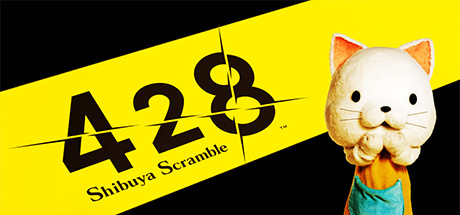
Unique hybrid gameplay format: The game blends visual novel storytelling with live-action elements, creating a unique and engaging experience. This hybrid format is praised for its innovation and effectiveness in the genre.
Butterfly effect mechanics drive engagement: Choices in one storyline subtly or significantly impact others, creating a dynamic and interconnected narrative. This mechanic is praised for its depth and replayability.
Common complaints
Overwhelming narrative complexity: The game’s multi-threaded narrative and frequent character switches overwhelm players, especially those unfamiliar with Japanese drama tropes. Logical inconsistencies and contrived plot points exacerbate confusion.
Illogical and forced true ending: The true ending is perceived as forced, politically correct, and unsatisfying, with unresolved character arcs and contrived resolutions. Players feel it detracts from narrative satisfaction.
Lack of quality-of-life features: Critical features like text skipping, fast-forwarding, and rewind are missing, making replays and navigation cumbersome. The slow text progression and lack of voice acting further reduce accessibility.
Outdated localization and UI: The game lacks official Chinese/Russian localization, requiring manual patches. The UI is clunky, with no window resizing, slow text speed, and poor navigation tools, making it feel outdated.
Jarring bonus content (Canaan route): The Canaan side story is criticized for its poor pacing, tonal inconsistency, and lack of integration with the main narrative. Players find it exposition-heavy and disruptive to immersion.
Gameplay and performance
Complex branching narrative structure: The game features a multi-threaded, interconnected narrative with branching storylines, multiple protagonists, and cause-and-effect mechanics. Players experience a web-like structure where choices influence outcomes across character arcs.
Player choices drive outcomes: Choices significantly impact story progression, character fates, and endings through butterfly effect mechanics. Decisions in one storyline can alter outcomes for other characters, creating a dynamic narrative experience.
High replayability with bad endings: The game includes 80+ bad endings, encouraging exploration of alternate paths. These endings often contain lore or humorous outcomes, making replayability a core feature.
Time-based narrative progression: The story unfolds in hourly segments, with time-sensitive choices affecting character arcs and plot outcomes. A timeline system tracks events, adding structure to the multi-threaded narrative.
Jump and Keep Out mechanics: Players use 'Jump' to switch between character perspectives and 'Keep Out' blocks to unlock story progression. These mechanics create puzzle-like elements, requiring strategic choices to advance the narrative.
Slow and unskippable text progression: Players report frustratingly slow text scrolling speeds and the inability to skip or rewind dialogue, making narrative progression tedious. This is compounded by unskippable scenes and camera movements, disrupting gameplay flow.
Limited input and control options: The game lacks comprehensive mouse support, forcing reliance on keyboard inputs. Graphical and control customization options (e.g., resolution, window mode) are also limited, reducing accessibility.
Unreliable save system risks progress loss: The auto-save system is buggy, and the lack of manual save options leads to frequent progress loss. Players highlight this as a critical flaw that disrupts gameplay continuity.
Poor PC port optimization and bugs: The PC port suffers from performance issues, poor optimization, and unresolved bugs. Players also note similar problems in the PSP port, indicating broader technical shortcomings.
Fullscreen and resolution bugs: Changing resolutions or entering fullscreen mode often causes crashes or renders the game inaccessible, with some players only retaining audio functionality. This severely impacts usability.
Recommendations
Strong narrative-driven recommendation: The game is highly recommended for fans of visual novels, narrative-driven experiences, and character-focused storytelling. Its unique and emotionally impactful storytelling appeals to both newcomers and enthusiasts.
Recommended with caveats: While the game is praised for its storytelling, some reviewers recommend it conditionally—such as waiting for a sale, tolerating its age-related flaws, or avoiding it if visual novels aren't a preferred genre.
Immersive and emotional experience: The game is praised for its high immersion, atmospheric presentation, and emotionally engaging narrative, making it stand out in its genre.
Guides usage advice: Players suggest playing the main story without guides initially to preserve the experience but recommend using walkthroughs or community guides when stuck, especially for unlocking bad endings.
Value for money debate: Opinions vary on the game's price-to-value ratio. Some consider it a masterpiece worth full price, while others recommend purchasing only during sales due to DRM or minor flaws.
Other review notes
Unofficial Chinese localization: An unofficial Chinese localization patch is widely available via third-party sources, enabling non-English speakers to access the game. Community efforts, such as those by 汉化组030, are praised for expanding accessibility.
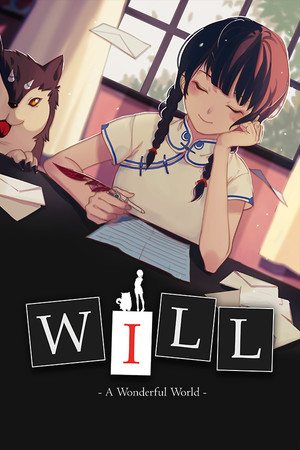
Cultural and historical references: The game includes references to other works (e.g., *Tsukihime*, *Canaan*) and real-world historical or cultural touchstones, such as the anime *Canaan* as a sequel. These connections add depth for fans of the developer’s broader universe.
Notable bonus scenarios: The game features bonus scenarios written by renowned authors like Nasu Kinoko (Type-Moon creator), which have even inspired anime adaptations. These additions are frequently highlighted as standout content.
Real-world immersion via locations: The game’s use of real-world filming locations, such as Shibuya, enhances immersion and resonates with players familiar with these areas. This detail is often cited as a unique strength of the live-action format.
Live-action storytelling: The live-action format, as opposed to anime or CGI, is a defining feature of the game. Players appreciate its distinct approach to narrative-driven gameplay, though some note the technological limitations of its era.