- Masterful branching narrative design
- Engaging murder-mystery gameplay
- Excellent scriptwriting and humor
- Poor puzzle and dream mechanics
- Weak character development
- Frustrating QTE and combat mechanics
Emotions
What players like:
Common complaints:
Gameplay feedback:
Performance notes:
Recommendations:
Other player notes:
Similar games
Blend with other games



Review evidence
Why players say this
Review evidence
Why players say this
What players like
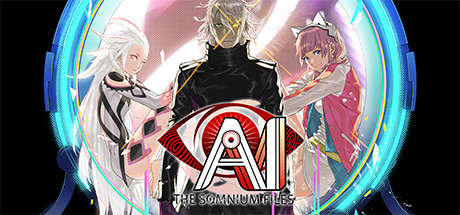
Masterful branching narrative design: The game excels in branching storylines with multiple endings, replayability, and a well-implemented flowchart system. Players praise the interconnected plots, twists, and emotional impact of diverging paths, which encourage multiple playthroughs to uncover the full story.
Engaging murder-mystery gameplay: The game blends detective work, sci-fi, and psychological mystery into a compelling narrative. Players enjoy piecing together clues, exploring multiple culprits, and experiencing satisfying reveals, making it a standout in the mystery genre.
Excellent scriptwriting and humor: The game features sharp dialogue, well-balanced humor, and emotional depth. The script effectively blends comedy with serious themes, creating a unique tone that resonates with players and enhances immersion.
High-quality voice acting: Full voice acting in both English and Japanese is praised for its quality, emotional weight, and care in delivery. The voice cast enhances character impressions and immersion, with standout performances noted in both languages.
Engaging puzzle design: Puzzles in the game, particularly in Somnium segments, are praised for their creativity, challenge, and encouragement of strategic thinking. Players enjoy the variety and experimentation involved in solving them.
Common complaints
Poor puzzle and dream mechanics: Puzzles, particularly in dream sequences (Somnium), are criticized for being illogical, trial-and-error based, and frustrating due to strict time limits. These mechanics detract from the overall enjoyment and immersion.
Weak character development: Characters are described as bland, unengaging, and overly sexualized, with many falling into clichéd anime tropes. Players struggle to emotionally invest in the story due to shallow character arcs and poor design.
Frustrating QTE and combat mechanics: Players frequently criticize the Quick Time Events (QTEs) and combat mechanics for being poorly designed, immersion-breaking, and overly simplistic. These elements disrupt gameplay flow and fail to engage experienced players.
Excessive and inappropriate humor: The game relies heavily on crude, sexual, and repetitive humor that clashes with its serious murder-mystery tone. This tonal inconsistency disrupts immersion and alienates players seeking a darker narrative.
Frustrating progression and pacing: Players report uneven pacing, slow story development, and repetitive or tedious gameplay segments, particularly in the middle and later stages. This makes the game feel like a chore rather than an enjoyable experience.
Gameplay and performance
Somnium dream puzzle segments: Unique timed puzzle segments (Somniums) involve exploring dreamscapes with surreal logic, a 6-minute time limit, and trial-and-error mechanics. These segments are tied to uncovering clues and progressing the story.
Branching narratives with multiple endings: The game features non-linear storytelling with multiple character routes, endings (including a 'true ending'), and replayability. Player choices influence story direction, and some routes require completion to unlock the full narrative.
Humor and tonal balance: The game blends serious mystery elements with comedic dialogue and situational humor, creating tonal shifts that balance the narrative’s emotional weight.
Time-limited puzzle mechanics: Puzzles, especially in Somnium segments, feature strict time constraints (e.g., 6-minute limits) and penalties/bonuses for efficiency. These mechanics add urgency and require strategic planning.
Visual novel dominant structure: The game primarily follows a visual novel format, with 80-90% of gameplay spent on narrative-driven dialogue, cutscenes, and character interactions. It blends this with occasional point-and-click or adventure elements.
V-Sync and FPS-related crashes: Players report frequent crashes, graphical glitches, and shader issues tied to V-Sync or uncapped framerates (e.g., 100+ FPS). Disabling V-Sync or limiting FPS often resolves these issues, particularly on AMD hardware.
Late-game crashing and freezes: The game frequently crashes or freezes in later levels, often requiring players to lower graphics settings or adjust performance configurations to proceed.
Hardware bias and optimization gaps: Players suspect the game was primarily tested on Intel/NVIDIA hardware, leading to performance issues on AMD or other configurations.
Somnium segments performance issues: Somnium levels suffer from crashes, lag, graphical artifacts, and epilepsy-inducing visual bugs. These issues are exacerbated by uncapped FPS or specific in-game routes.
Inconsistent save/load performance: Players experience slow save and load times, with some reporting lag during transitions or UI animations, particularly on the Switch.
Recommendations
Ideal for narrative-driven fans: The game is highly recommended for players who enjoy story-heavy experiences, visual novels, and mystery genres like Danganronpa or Zero Escape. Its humor, branching plots, and character depth are frequently praised.
Best played blind for immersion: Reviewers emphasize that playing without prior knowledge enhances the emotional and narrative impact, especially for mystery-solving. Independent problem-solving is encouraged for the full experience.
Not for gameplay-focused players: Players seeking deep mechanics, strict logic-based mysteries, or gameplay depth are advised against playing. The game prioritizes narrative and emotional engagement over interactive complexity.
Accessible for newcomers: The game is praised for its approachable design, making it suitable for players new to visual novels or adventure games. Some note it’s easier to grasp than other titles in the genre.
Recommended with price caveats: While many strongly recommend the game, others suggest purchasing only during sales or at a discounted price due to mixed reception or polarizing elements like humor or pacing.
Other review notes
Strong localization efforts: The game features multiple community-created patches (Spanish, French, Korean) and adaptations for local audiences, including wordplay and joke translations. This enhances accessibility and cultural relevance.
Anime-inspired comedy style: The game blends anime influences with a 'comedy theater' tone, often referencing other works (e.g., Danganronpa) and mixing absurd humor with occasional seriousness.
Moderate playtime and affordability: The game offers around 30 hours of content and is frequently discounted, making it a cost-effective choice for players.
Philosophical themes explored: The narrative delves into human nature and philosophical questions, though it intentionally avoids providing definitive answers, adding depth to the storytelling.
Memorable character design: Characters like 'Pewter' (the science-focused role) stand out, contributing to the game's distinct personality and humor.